




21 Day Anti Inflammatory Diet
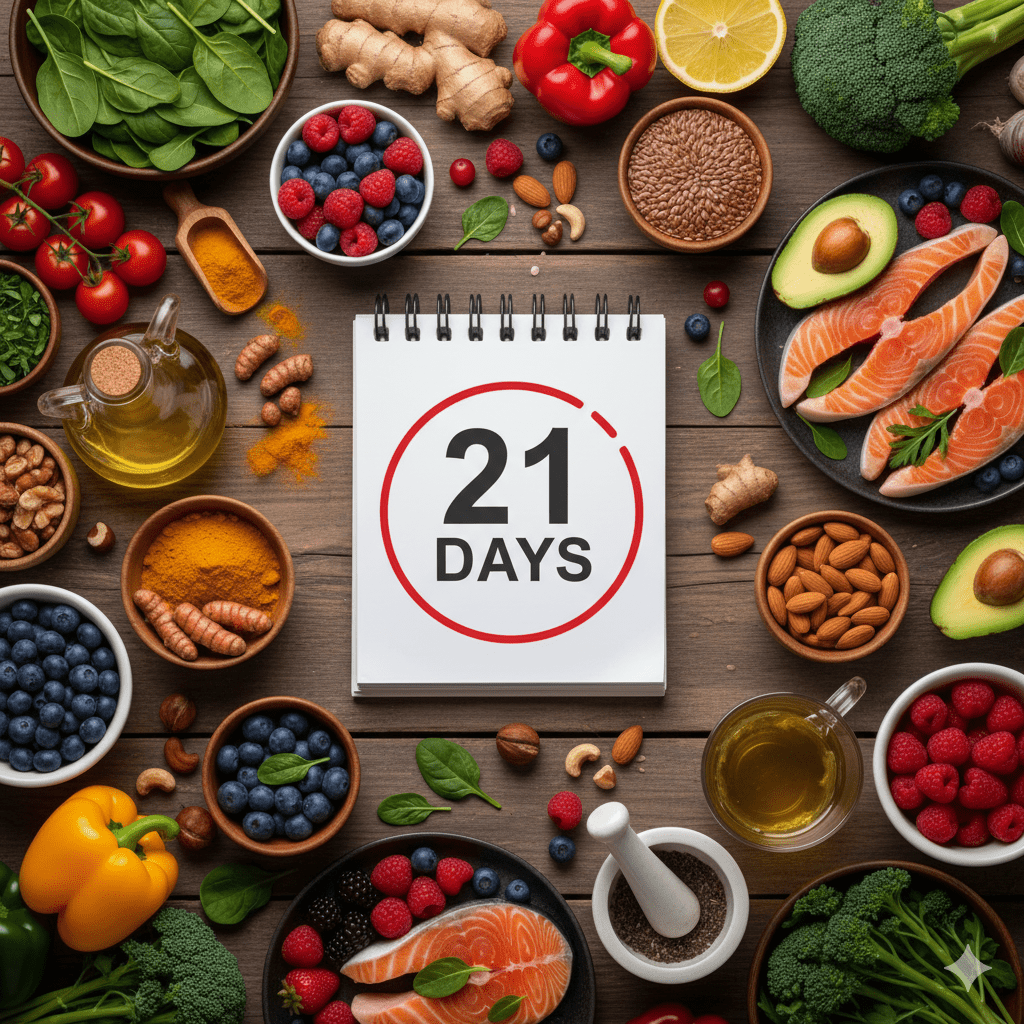
Chronic inflammation is linked to numerous health conditions, including heart disease, diabetes, arthritis, and autoimmune disorders. The good news? A targeted 21 day anti-inflammatory diet can help reset your body, reduce inflammation, and improve your overall health. This comprehensive guide will walk you through everything you need to know to succeed.
What Is an Anti-Inflammatory Diet?
An anti-inflammatory diet focuses on whole, nutrient-dense foods that help combat chronic inflammation in the body. Unlike restrictive fad diets, this eating approach emphasizes adding beneficial foods while minimizing inflammatory triggers. The 21-day timeframe gives your body enough time to experience noticeable changes while building sustainable healthy habits.
The Science Behind Inflammation and Diet
Inflammation is your body’s natural response to injury or infection. However, when inflammation becomes chronic due to poor diet, stress, or environmental factors, it can damage healthy cells and tissues. Certain foods contain compounds that either promote or reduce inflammatory processes in the body.
Key Anti-Inflammatory Compounds
Omega-3 Fatty Acids: Found in fatty fish, these essential fats help produce anti-inflammatory molecules called resolvins and protectins.
Polyphenols: Plant compounds in berries, tea, and dark chocolate that neutralize free radicals and reduce inflammatory markers.
Antioxidants: Vitamins C, E, and beta-carotene protect cells from oxidative stress that triggers inflammation.
Foods to Include in Your 21-Day Plan
Building your meals around these anti-inflammatory powerhouses will maximize your results during the 21-day challenge.
Vegetables and Fruits
Colorful produce should form the foundation of every meal. Aim for 7-9 servings daily, emphasizing variety to get a broad spectrum of anti-inflammatory nutrients.
Top Anti-Inflammatory Vegetables
- Leafy greens: Spinach, kale, collards, and Swiss chard are rich in vitamins A, C, and K
- Cruciferous vegetables: Broccoli, cauliflower, and Brussels sprouts contain sulforaphane
- Colorful peppers: Red, yellow, and orange varieties provide vitamin C and antioxidants
- Tomatoes: High in lycopene, especially when cooked
Best Anti-Inflammatory Fruits
- Berries: Blueberries, strawberries, and raspberries are loaded with anthocyanins
- Cherries: Particularly tart cherries, which reduce inflammatory markers
- Citrus fruits: Oranges, grapefruits, and lemons provide vitamin C and flavonoids
- Pineapple: Contains bromelain, an enzyme with anti-inflammatory properties
Healthy Fats and Oils
Not all fats are created equal. Focus on these anti-inflammatory fat sources while avoiding inflammatory oils.
Recommended Fat Sources
Extra virgin olive oil is your go-to cooking oil, rich in oleocanthal, a compound with similar effects to ibuprofen. Use 2-3 tablespoons daily in salad dressings and light cooking.
Avocados provide monounsaturated fats and vitamin E, supporting reduced inflammation and improved nutrient absorption from vegetables.
Nuts and seeds such as walnuts, almonds, chia seeds, and flaxseeds offer omega-3s, fiber, and protein. Aim for a handful (about 1 ounce) daily.
Protein Sources
Choose high-quality proteins that support tissue repair without promoting inflammation.
Animal-Based Proteins
- Fatty fish: Salmon, mackerel, sardines, and anchovies (3-4 servings per week)
- Pasture-raised poultry: Chicken and turkey in moderation
- Eggs: Preferably pasture-raised for better omega-3 content
Plant-Based Proteins
- Legumes: Lentils, chickpeas, and black beans provide protein, fiber, and resistant starch
- Quinoa: A complete protein with all nine essential amino acids
- Tempeh and tofu: Fermented soy products with beneficial compounds
Herbs, Spices, and Beverages
These flavor enhancers pack serious anti-inflammatory power.
Anti-Inflammatory Spices
Turmeric contains curcumin, one of the most powerful anti-inflammatory compounds. Combine with black pepper to increase absorption by 2000%.
Ginger has been shown to reduce inflammatory markers and may help with arthritis pain and muscle soreness.
Cinnamon helps regulate blood sugar and contains polyphenols that combat oxidative stress.
Recommended Beverages
- Green tea: 2-3 cups daily provide EGCG, a potent anti-inflammatory catechin
- Water: At least 8 glasses daily to support detoxification
- Herbal teas: Chamomile, hibiscus, and rooibos offer additional benefits
Foods to Avoid During Your 21 Days
Eliminating inflammatory triggers is just as important as adding beneficial foods.
Inflammatory Foods to Remove
Refined sugars and sweeteners spike insulin and promote inflammatory cytokine production. Eliminate sodas, candy, baked goods, and foods with added sugars.
Processed and fried foods contain trans fats and advanced glycation end products (AGEs) that increase inflammation. Avoid fast food, packaged snacks, and anything deep-fried.
Refined carbohydrates like white bread, pasta, and pastries cause rapid blood sugar spikes. Replace with whole grain alternatives.
Excessive alcohol can damage the intestinal barrier and increase inflammatory markers. Limit to no more than one drink per day for women, two for men, or eliminate entirely during the 21 days.
Potentially Problematic Foods
Some foods affect people differently. Consider eliminating these during your 21 days to assess your individual response:
- Dairy products: Can trigger inflammation in those with sensitivities
- Gluten-containing grains: May cause issues for sensitive individuals
- Nightshades: Tomatoes, peppers, eggplant, and potatoes affect some people with arthritis
- Red meat: High consumption is linked to increased inflammation; limit to once weekly if included
Your 21-Day Anti-Inflammatory Diet Plan
Week 1: Foundation Building
Days 1-3: Clean Slate
Focus on eliminating inflammatory foods and stocking your kitchen with approved options. Your body will begin adjusting to reduced sugar and processed foods.
Meal Structure
- Breakfast: Green smoothie with spinach, berries, chia seeds, and almond milk
- Lunch: Large mixed salad with grilled salmon, avocado, and olive oil dressing
- Dinner: Stir-fried vegetables with turmeric-spiced chickpeas over quinoa
- Snacks: Raw vegetables with hummus, mixed nuts, or fresh fruit
Days 4-7: Adjustment Period
You may experience mild detox symptoms like headaches or fatigue. Stay hydrated and ensure adequate calorie intake from whole foods.
Week 2: Deepening the Practice
Days 8-14: Finding Your Rhythm
By now, cravings should diminish, and energy levels often improve. Experiment with new anti-inflammatory recipes and food combinations.
Focus Areas
Meal prep becomes crucial this week. Batch-cook grains, roast vegetables, and prepare proteins in advance to stay on track during busy days.
Mindful eating practices help you recognize true hunger versus habitual eating. Eat slowly, chew thoroughly, and notice how foods make you feel.
Week 3: Integration and Results
Days 15-21: Sustainable Habits
The final week focuses on creating lasting change. Many people notice reduced joint pain, better sleep, clearer skin, and improved digestion by this point.
Evaluation and Planning
Track your symptoms, energy levels, and any physical changes. Plan how you’ll maintain anti-inflammatory eating beyond the 21 days while reintroducing foods strategically.
Sample 7-Day Meal Plan
Day 1
- Breakfast: Overnight oats with walnuts, blueberries, and cinnamon
- Lunch: Mediterranean quinoa bowl with cucumber, tomatoes, olives, and grilled chicken
- Dinner: Baked salmon with roasted Brussels sprouts and sweet potato
- Snacks: Apple slices with almond butter, green tea
Day 2
- Breakfast: Vegetable omelet with spinach, peppers, and mushrooms
- Lunch: Lentil soup with mixed greens salad
- Dinner: Turmeric-ginger chicken stir-fry with broccoli over brown rice
- Snacks: Carrot sticks with hummus, handful of walnuts
Day 3
- Breakfast: Smoothie bowl topped with chia seeds, berries, and coconut flakes
- Lunch: Black bean and avocado lettuce wraps
- Dinner: Grilled mackerel with roasted vegetables and quinoa
- Snacks: Fresh berries, herbal tea
Day 4
- Breakfast: Chia seed pudding with mango and almonds
- Lunch: Mixed green salad with sardines, beets, and olive oil dressing
- Dinner: Vegetable curry with chickpeas and cauliflower rice
- Snacks: Celery with almond butter, green tea
Day 5
- Breakfast: Whole grain toast with avocado and poached eggs
- Lunch: Minestrone soup with white beans and kale
- Dinner: Baked cod with asparagus and wild rice
- Snacks: Mixed berries, handful of pecans
Day 6
- Breakfast: Green smoothie with kale, pineapple, ginger, and flaxseed
- Lunch: Rainbow Buddha bowl with tempeh, tahini dressing
- Dinner: Turkey meatballs with zucchini noodles and tomato sauce
- Snacks: Orange slices, raw almonds
Day 7
- Breakfast: Sweet potato hash with spinach and eggs
- Lunch: Grilled chicken salad with mixed greens, berries, and walnuts
- Dinner: Miso-glazed salmon with bok choy and brown rice
- Snacks: Cherry tomatoes, pumpkin seeds
Tips for Success on Your 21-Day Journey
Preparation Strategies
Meal planning is your best friend. Dedicate time each week to plan meals, create shopping lists, and prep ingredients. This prevents last-minute unhealthy choices.
Kitchen organization matters. Remove tempting inflammatory foods from your home and stock up on compliant options. Keep healthy snacks visible and accessible.
Managing Challenges
Social Situations
Eating out or attending social events doesn’t have to derail your progress. Research restaurant menus in advance, ask about preparation methods, and don’t hesitate to make modifications.
Restaurant Tips
- Choose grilled, baked, or steamed preparations over fried
- Request olive oil and vinegar instead of creamy dressings
- Substitute vegetables for refined carbohydrates
- Ask for sauces on the side to control portions
Dealing with Cravings
Sugar cravings often peak in the first week. Combat them with naturally sweet options like berries, dates, or cinnamon-spiced dishes. Stay hydrated, as thirst often masquerades as hunger.
Lifestyle Factors That Support Your Diet
Sleep and Stress Management
Poor sleep and chronic stress promote inflammation regardless of diet. Aim for 7-9 hours of quality sleep nightly and incorporate stress-reduction techniques like meditation, yoga, or deep breathing.
Physical Activity
Regular movement helps reduce inflammatory markers. Include both cardiovascular exercise and strength training, but avoid overtraining, which can increase inflammation.
Expected Benefits and Results
Physical Improvements
Most people experience several positive changes within 21 days:
Reduced joint pain and stiffness often improve within the first two weeks as inflammatory compounds decrease.
Better digestion results from increased fiber intake and elimination of irritating foods. Bloating and irregularity typically diminish.
Clearer skin emerges as inflammation decreases and nutrient intake improves. Acne, redness, and puffiness often reduce.
Increased energy comes from stable blood sugar levels and improved nutrient absorption.
Measurable Markers
If you work with a healthcare provider, these inflammation markers may show improvement:
- C-reactive protein (CRP) levels
- Erythrocyte sedimentation rate (ESR)
- Blood pressure readings
- Fasting blood glucose and HbA1c
- Lipid panel results
Continuing Beyond 21 Days
Maintaining Your Anti-Inflammatory Lifestyle
The 21-day challenge is just the beginning. To maintain long-term benefits:
Follow the 80/20 rule: Eat anti-inflammatory foods 80% of the time, allowing flexibility for special occasions.
Reintroduce foods strategically: Add potentially inflammatory foods one at a time to identify personal triggers.
Stay educated: Continue learning about nutrition and inflammation to make informed choices.
Long-Term Health Benefits
Sustained anti-inflammatory eating patterns are associated with:
- Reduced risk of chronic diseases including heart disease, diabetes, and certain cancers
- Better cognitive function and potentially reduced dementia risk
- Improved longevity and quality of life
- Enhanced immune system function
Conclusion
The 21-day anti-inflammatory diet offers a science-backed approach to reducing chronic inflammation and improving overall health. By focusing on whole, nutrient-dense foods while eliminating inflammatory triggers, you give your body the tools it needs to heal and thrive. Success comes from preparation, consistency, and viewing this as a lifestyle change rather than a temporary diet. Start today, and experience the transformative power of anti-inflammatory eating.
Remember to consult with a healthcare provider before making significant dietary changes, especially if you have existing health conditions or take medications. Your 21-day journey to reduced inflammation and better health begins now.

Faisal is the founder and content creator of The Workout Haven, a fitness and wellness blog focused on home workouts, weight loss, strength training, yoga, and healthy lifestyle habits. He creates easy-to-follow, beginner-friendly fitness guides backed by research, practical experience, and real-world application. Faisal’s goal is to help people stay active, build strength, and improve overall health—no gym or expensive equipment required.