

30-Day Plant-Based Diet Meal Plan: Your Complete Guide to Getting Started
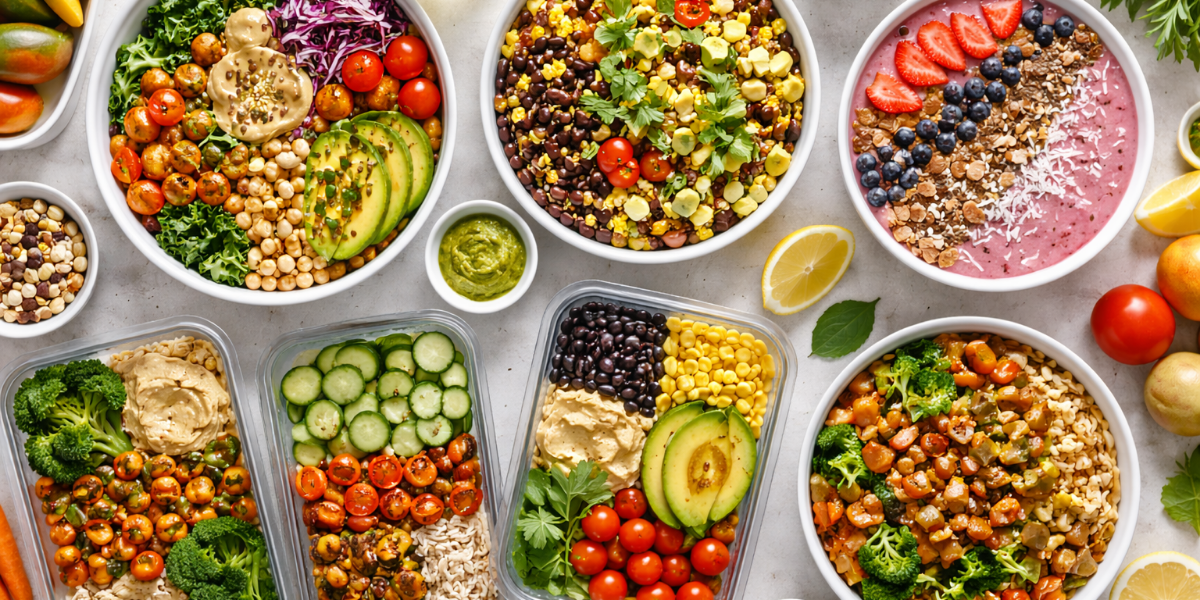
Table of Contents
Introduction
Thinking about switching to a plant-based lifestyle but don’t know where to start? You’re not alone. A 30-day plant-based diet meal plan is the perfect way to transition into healthier eating habits without feeling overwhelmed. Whether you’re looking to shed a few pounds, boost your energy, or simply feel better in your own skin, this guide will walk you through everything you need to know.
The beauty of a plant-based diet meal plan is that it’s not just about restriction—it’s about abundance. You’ll discover colorful vegetables, hearty grains, protein-rich legumes, and satisfying meals that nourish your body from the inside out. Let’s dive into how you can make the next 30 days your healthiest yet.
What is a Plant-Based Diet?
A plant-based diet focuses on foods primarily from plants. This includes not only fruits and vegetables, but also nuts, seeds, oils, whole grains, legumes, and beans. While some people follow a strict vegan approach, others include small amounts of animal products. The key is that the foundation of every meal comes from plant sources.
The whole food plant-based meal plan takes this concept further by emphasizing minimally processed ingredients. Instead of reaching for packaged vegan snacks, you’ll focus on foods in their natural state—think brown rice instead of white, whole fruits instead of juice, and beans you cook yourself rather than canned alternatives loaded with sodium.
Why Try a 30-Day Plant-Based Challenge?
Committing to 30 days gives your body enough time to adjust and for you to notice real changes. Many people report increased energy levels within the first week, clearer skin by week two, and noticeable weight changes by the end of the month.
A 30-day vegan diet weight loss results can be impressive, with many people losing between 5-10 pounds when combined with regular activity. But beyond the scale, you might notice better digestion, improved sleep quality, and a general sense of lightness that comes from eating clean, nutrient-dense foods.
The commitment period also helps you break old habits and form new ones. By day 30, preparing plant-based meals will feel like second nature rather than a daily challenge.
Setting Up Your 30-Day Plant-Based Diet Meal Plan for Beginners
Starting any new eating pattern can feel daunting, but breaking it down week by week makes the process manageable. Here’s how to structure your journey.
Week 1: Getting Comfortable with the Basics
The first week is all about familiarizing yourself with plant-based staples. Stock your pantry with essentials like quinoa, brown rice, oats, lentils, chickpeas, black beans, almond butter, and a variety of spices. Your fridge should have plenty of fresh vegetables, leafy greens, fruits, and plant-based milk.
Focus on simple meals you already know how to make, just without animal products. Oatmeal with berries for breakfast, a big salad with chickpeas for lunch, and vegetable stir-fry with brown rice for dinner are perfect starting points.
Week 2: Expanding Your Recipe Repertoire
By week two, you’re ready to experiment. Try making plant-based versions of your favorite comfort foods—think veggie-packed chili, creamy cashew pasta, or black bean tacos. This is when cooking starts to feel creative rather than restrictive.
Batch cooking becomes your best friend during this phase. Prepare large portions of grains, roasted vegetables, and legumes at the beginning of the week so assembling meals takes just minutes.
Week 3: Fine-Tuning Your Approach
Now that you’ve got the basics down, week three is about paying attention to how you feel. Are you getting enough protein? Do you need more variety in your meals? This is the time to adjust your plan based on your body’s feedback.
Consider adding more protein-rich foods like tofu, tempeh, edamame, or hemp seeds if you’re feeling sluggish. If you’re constantly hungry, increase your portions of whole grains and healthy fats from avocados, nuts, and seeds.
Week 4: Making It Sustainable
The final week is about solidifying these habits for the long term. By now, you’ve probably identified your favorite go-to meals and snacks. You know which restaurants have good plant-based options and how to navigate social situations.
This week, focus on meal planning for the future. Create a rotation of 7-10 meals you genuinely enjoy so you never feel bored. When eating plant-based feels effortless, you know you’ve succeeded.
7-Day Plant-Based Meal Plan Sample
To give you a concrete starting point, here’s what one week might look like:
Monday: Overnight oats with banana and almond butter | Quinoa bowl with roasted vegetables and tahini dressing | Lentil curry with brown rice
Tuesday: Green smoothie with spinach, mango, and chia seeds | Hummus wrap with loads of veggies | Stuffed bell peppers with black beans and quinoa
Wednesday: Whole grain toast with avocado and tomatoes | Buddha bowl with chickpeas, sweet potato, and greens | Vegetable stir-fry with tofu and cashews
Thursday: Chia pudding with berries | Minestrone soup with white beans | Eggplant and chickpea curry
Friday: Fruit salad with hemp seeds | Mexican-inspired salad with black beans, corn, and avocado | Mushroom and lentil bolognese with whole wheat pasta
Saturday: Pancakes made with oat flour and topped with maple syrup | Sweet potato and black bean quesadillas | Vegetable fajita bowls with guacamole
Sunday: Tofu scramble with vegetables | Creamy tomato soup with a side salad | Homemade veggie burgers with baked sweet potato fries
Each meal provides a balance of carbohydrates, protein, healthy fats, and plenty of vitamins and minerals to keep you satisfied and energized.
Tips for Success on Your Plant-Based Journey
Prepare for social situations. Let friends and family know about your new eating plan. When eating out, don’t be shy about asking for modifications. Most restaurants are happy to accommodate.
Don’t skip the snacks. Keep things like fresh fruit, raw vegetables with hummus, trail mix, or energy balls on hand to prevent hunger between meals.
Supplement wisely. Consider taking a B12 supplement, as this vitamin is primarily found in animal products. Vitamin D and omega-3s might also be beneficial depending on your individual needs.
Listen to your body. If something doesn’t feel right, adjust. Everyone’s nutritional needs are different, and your plant-based meal plans should work for your unique body and lifestyle.
Find your community. Connect with others who eat plant-based, whether online or in person. Sharing recipes, tips, and experiences makes the journey more enjoyable.
Common Mistakes to Avoid
Don’t rely too heavily on processed vegan foods. Just because something is labeled vegan doesn’t mean it’s healthy. Focus on whole foods as much as possible.
Make sure you’re eating enough calories. Plant-based foods tend to be less calorie-dense than animal products, so you might need to eat larger portions than you’re used to.
Don’t forget about protein variety. While beans are wonderful, incorporating different protein sources throughout the day ensures you get all essential amino acids.
Where to Find a 30-Day Plant-Based Diet Meal Plan Free
Many resources offer free plant-based meal plans online. Websites like Forks Over Knives, NutritionFacts.org, and various plant-based bloggers provide downloadable PDFs with shopping lists and recipes. Social media platforms like Pinterest are treasure troves of meal prep ideas and weekly plans.
You can also create your own personalized plan using apps like Paprika or Mealime, which allow you to customize recipes based on your preferences and automatically generate shopping lists.
Final Thoughts
Starting a 30-day plant-based diet meal plan is more than just a temporary experiment—it’s an opportunity to reset your relationship with food and discover how amazing your body can feel when fueled properly. Whether you’re doing this for weight loss, ethical reasons, environmental concerns, or simply curiosity, the next 30 days have the potential to transform not just your plate, but your entire approach to wellness.
Remember, perfection isn’t the goal. Some days will be easier than others, and that’s completely normal. What matters is that you’re making conscious choices to nourish your body with wholesome, plant-based foods. By the end of 30 days, you’ll have developed new habits, discovered delicious recipes, and hopefully feel inspired to continue this journey.
Your healthiest, most vibrant self is waiting. Let’s get started!
Frequently Asked Questions
Q: Can I lose weight on a 30-day plant-based diet meal plan?
Yes, many people experience weight loss on a plant-based diet, especially when focusing on whole foods rather than processed alternatives. The high fiber content keeps you fuller longer, and plant-based foods are generally lower in calories than their animal-based counterparts. However, weight loss varies by individual and depends on factors like portion sizes, activity level, and overall calorie intake.
Q: Will I get enough protein on a plant-based diet?
Absolutely! Beans, lentils, chickpeas, tofu, tempeh, quinoa, nuts, seeds, and whole grains all provide substantial protein. By eating a variety of these foods throughout the day, you’ll easily meet your protein needs. Most adults need about 50-60 grams of protein daily, which is very achievable on a plant-based diet.
Q: What’s the difference between vegan and plant-based?
While often used interchangeably, “vegan” typically refers to avoiding all animal products for ethical reasons (including in clothing and other goods), while “plant-based” usually focuses on diet and health. A whole food plant-based meal plan emphasizes unprocessed or minimally processed plants and may occasionally include small amounts of animal products.
Q: How much does it cost to follow a plant-based diet?
Plant-based eating can actually be quite budget-friendly! Staples like beans, rice, oats, and seasonal produce are among the most affordable items at the grocery store. While specialty vegan products can be expensive, a whole food approach focused on simple ingredients is often cheaper than buying meat and dairy.
Q: What if I don’t like cooking?
Start simple! Many plant-based meals require minimal cooking—think salads, grain bowls, smoothies, and simple stir-fries. As you become more comfortable, you’ll naturally want to experiment. Batch cooking on weekends can also minimize daily cooking time while ensuring you always have healthy options ready.
Q: Can children follow a plant-based diet?
Yes, children can thrive on a well-planned plant-based diet. However, it’s important to ensure they’re getting adequate calories, protein, iron, calcium, and B12. Consulting with a pediatrician or registered dietitian who specializes in plant-based nutrition is recommended when transitioning children to this eating pattern.
Faisal is the founder and content creator of The Workout Haven, a fitness and wellness blog focused on home workouts, weight loss, strength training, yoga, and healthy lifestyle habits. He creates easy-to-follow, beginner-friendly fitness guides backed by research, practical experience, and real-world application. Faisal’s goal is to help people stay active, build strength, and improve overall health—no gym or expensive equipment required.
