
The Best Exercises for Weight Loss: Your Complete Guide 2026
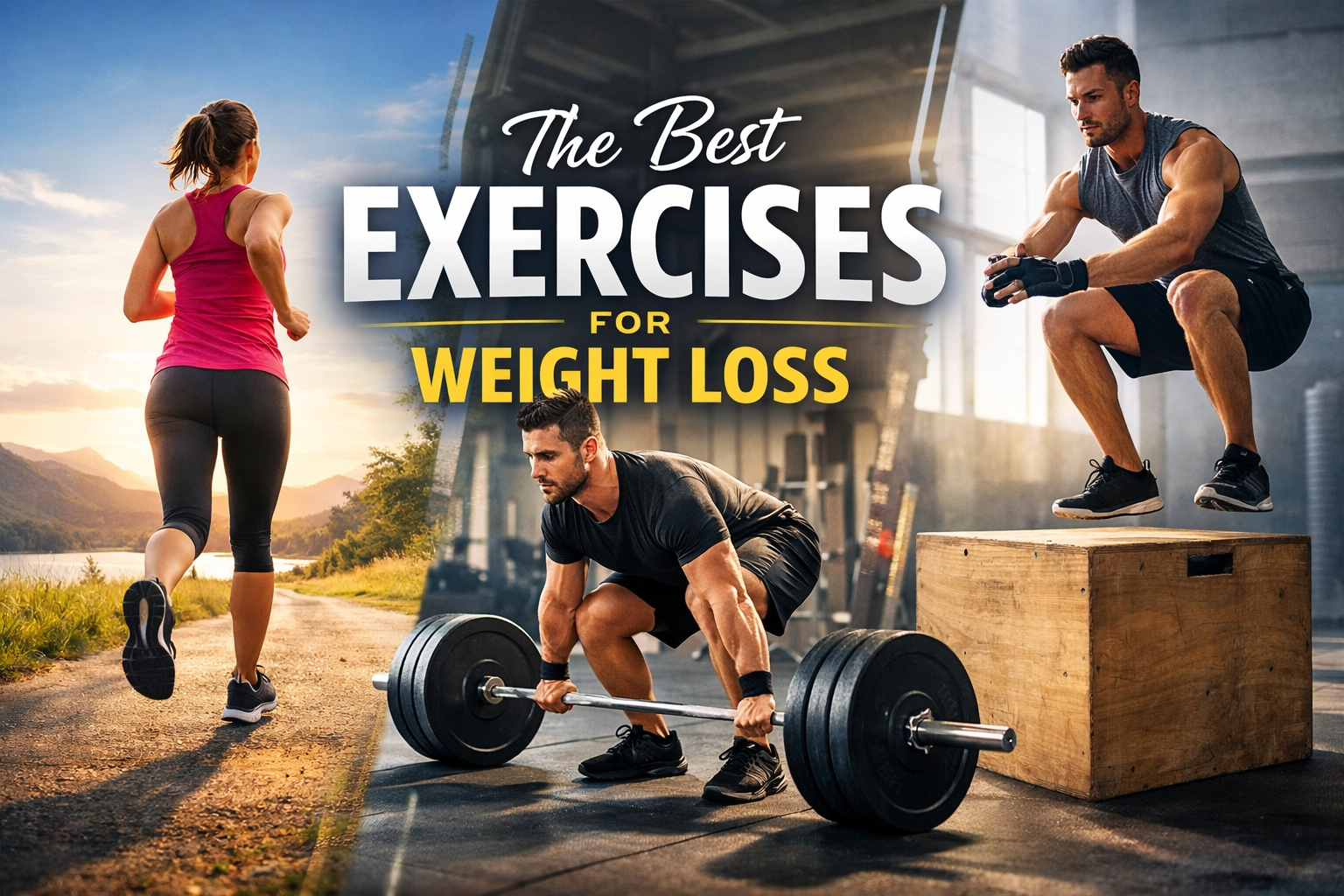
Table of Contents
The Best Exercises for Weight Loss
The journey toward weight loss is often paved with good intentions but blocked by a mountain of conflicting information. One week, the internet tells you that long-distance running is the only way to shed pounds; the next, a “fitness guru” claims that cardio is a waste of time and only heavy lifting matters. It’s no wonder so many people feel paralyzed before they even lace up their sneakers.
The reality is that weight loss isn’t a “one-size-fits-all” equation. While your diet provides the foundation by controlling your energy intake, exercise is the engine that drives your metabolism, preserves your lean muscle mass, and improves your hormonal health.
In this guide, we are going to strip away the myths and look at the actual science of movement. The most effective weight loss strategy isn’t about choosing one single exercise; it’s about a strategic combination of cardiovascular work, strength training, and high-intensity intervals—all tailored to your unique lifestyle.
Understanding the Basics of Weight Loss
Before we discuss specific movements, we must understand the biological “rules” of the game. If you don’t understand how your body uses energy, you might find yourself working hard without seeing the scale move.
The Caloric Deficit
At its simplest level, weight loss requires a caloric deficit. This means you must expend more energy than you consume through food and drink. Exercise helps widen this gap, allowing you to lose weight without having to drastically restrict your food intake to unsustainable levels.
Fat Loss vs. Weight Loss
It is crucial to distinguish between “weight” and “fat.” When you see a lower number on the scale, it could be a loss of body fat, but it could also be water weight or, unfortunately, muscle tissue. Our goal is fat loss. Muscle is metabolically expensive—it takes energy for your body to maintain it. If you lose muscle during your weight loss journey, your metabolism actually slows down, making it harder to keep the weight off long-term.
The Myth of Spot Reduction
We’ve all seen the late-night commercials for “ab-shredding” machines promising to melt belly fat. Science has repeatedly proven that spot reduction is a myth. Doing 500 crunches will strengthen your abdominal muscles, but it won’t specifically burn the fat covering them. To see definition in a specific area, you must lower your overall body fat percentage through full-body movements and proper nutrition.
Top Cardiovascular Exercises for Burning Calories
Cardiovascular exercise (cardio) is the most direct way to burn a high volume of calories in a single session. It strengthens your heart and lungs, improves circulation, and can be incredibly therapeutic.
1. Running and Jogging
Running remains one of the most popular weight loss exercises for a reason: it burns a massive amount of energy. Depending on your weight and pace, you can burn between 400 and 700 calories per hour.
- The Benefit: It requires zero equipment other than a good pair of shoes.
- The Caveat: It is high-impact. If you have joint issues, you should start with power walking or use a “Couch to 5K” program to build up your bone and tendon density slowly.
2. Cycling (Indoor and Outdoor)
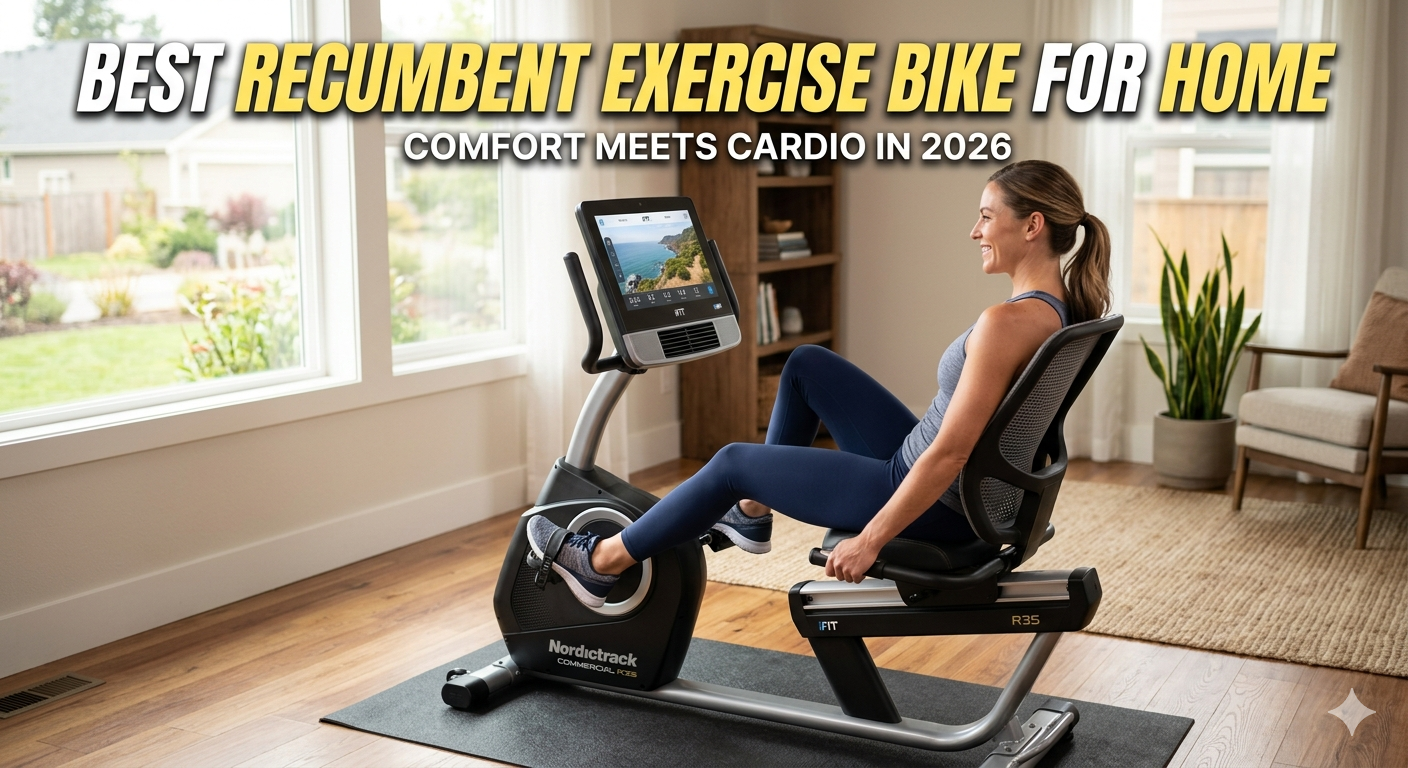
Cycling is a fantastic alternative for those who want a high-intensity burn without the joint impact of running. Whether you’re hitting the trails on a mountain bike or taking a spin class, cycling targets your largest muscle groups (quads and glutes), which demand a lot of oxygen and energy.
- Pro Tip: If you use a stationary bike, try varying your resistance. High-resistance climbs burn more calories and build more leg strength than pedaling fast with no tension.
3. Swimming
Swimming is often called the “perfect” exercise. Because water is roughly 800 times denser than air, every movement acts as resistance training for your entire body.
- The Benefit: It is zero-impact, making it the best choice for individuals with chronic pain, injuries, or significant excess weight that makes standing exercises difficult.
- The Burn: Butterfly and freestyle strokes are among the highest calorie-burning activities you can do.
4. Brisk Walking
Never underestimate the power of a daily walk. While it burns fewer calories per minute than running, it is the most sustainable exercise. You can walk every day without needing a recovery day, and it doesn’t spike your hunger levels as much as intense cardio often does.
The Power of Strength Training
If cardio is about burning calories now, strength training is about burning calories later. This is the missing piece in many weight loss plans.
Building the Metabolic Engine
Muscle tissue is more “metabolically active” than fat. This means that even while you are sleeping or sitting at your desk, a body with more muscle burns more calories than a body with more fat. By lifting weights, you are essentially “upgrading” your body’s internal furnace.
Key Compound Movements
To maximize weight loss, focus on compound exercises—moves that use more than one joint and multiple muscle groups at once.
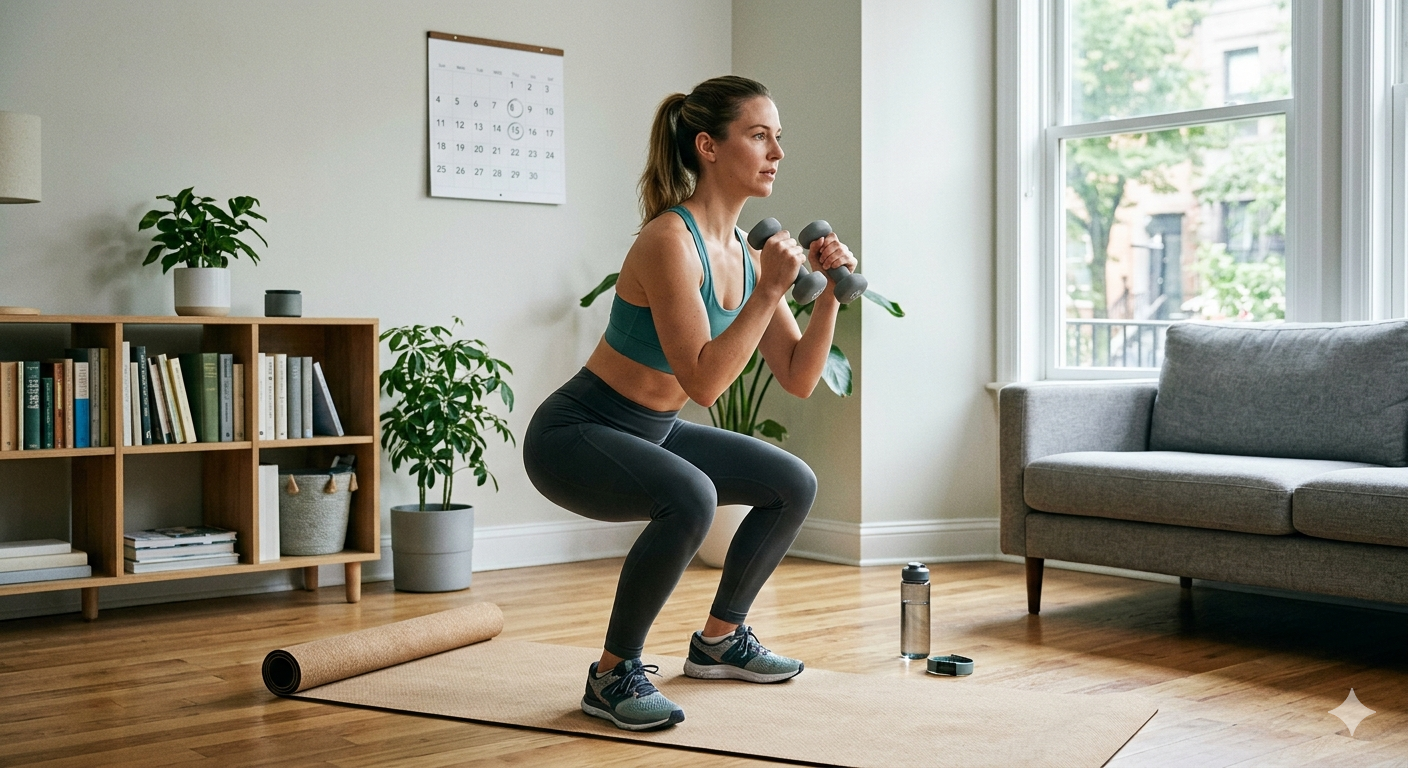
- Squats: These engage your entire lower body and your core.
- Deadlifts: Often called the “king” of exercises, they work every muscle from your heels to your neck.
- Push-ups & Rows: These ensure your upper body is balanced and strong, improving your posture and overall calorie burn.
Getting Started for Beginners
You don’t need a gym membership to start. Bodyweight squats, lunges, and push-ups are enough to trigger muscle growth. As you get stronger, you can introduce dumbbells, kettlebells, or resistance bands to keep challenging your muscles.
High-Intensity Interval Training (HIIT)
HIIT has taken the fitness world by storm, and for good reason. It is the most time-efficient way to get fit and lose fat.
What exactly is HIIT?
HIIT involves short bursts of “all-out” effort (usually 20–60 seconds) followed by a short recovery period. This cycle is repeated for 15 to 30 minutes.
The “Afterburn” Effect (EPOC)
The real magic of HIIT is EPOC (Excess Post-exercise Oxygen Consumption). Because you pushed your body so hard during the intervals, it takes hours for your metabolism to return to its resting state. During this time, you continue to burn calories at an elevated rate—even while sitting on your couch.
A Sample 15-Minute Circuit
Perform each move for 40 seconds, rest for 20 seconds, and repeat the circuit 3 times:
- Jumping Jacks (Get the heart rate up)
- Mountain Climbers (Core and cardio)
- Burpees (The ultimate full-body burner)
- High Knees (Speed and agility)
- Plank (Stability and recovery)
Low-Impact and Mind-Body Exercises
Weight loss isn’t just a physical battle; it’s a hormonal and psychological one. Stress is a major contributor to weight gain because it triggers the release of cortisol, a hormone that encourages the body to store fat, particularly in the abdominal area.
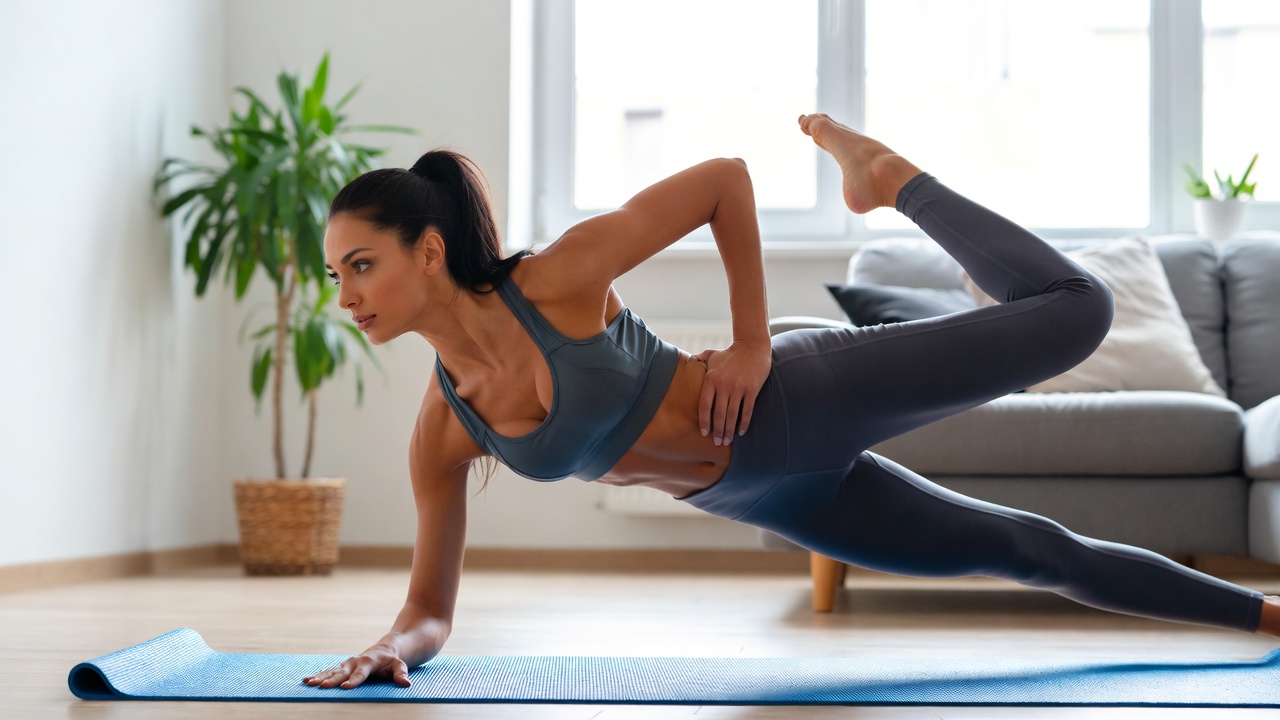
Yoga and Pilates
While a yoga class might not burn as many calories as a HIIT session, it plays a vital role in weight loss by:
- Lowering stress and cortisol levels.
- Improving “mindful eating” habits.
- Building functional core strength and flexibility, which prevents injuries during your more intense workouts.
Rowing
The rowing machine is one of the most underrated tools in the gym. It is low-impact like cycling but uses the upper body as much as the lower body, providing a massive cardiovascular challenge.
Creating a Sustainable Routine
The “best” exercise for weight loss is the one you will actually do. A perfect plan on paper is worthless if you hate it and quit after a week.
Consistency is the Secret Sauce
Weight loss is a result of accumulated effort. It is better to work out for 30 minutes three times a week for a year than to work out for two hours every day for two weeks and then burn out.
Finding Your “Joy” in Movement
Experiment! If you hate running, don’t run. Try kickboxing, hiking, dancing, or rock climbing. When you enjoy the activity, the weight loss becomes a side effect of having fun, rather than a chore you have to endure.
A Balanced Weekly Schedule
Here is a sample 5-day split designed for maximum fat loss and muscle preservation:
- Monday: Full-Body Strength Training (Squats, Push-ups, Rows).
- Tuesday: 30–45 Minutes of Steady-State Cardio (Walking or Cycling).
- Wednesday: Active Recovery (Yoga or a light stroll).
- Thursday: HIIT Session (20 minutes).
- Friday: Full-Body Strength Training (Deadlifts, Lunges, Overhead Press).
- Saturday: Fun Activity (Hiking, Swimming, or Sports).
- Sunday: Rest and Meal Prep.
Frequently Asked Questions (FAQ)
1. How often should I exercise to see weight loss results?
For sustainable weight loss, aim for at least 150 minutes of moderate-intensity aerobic activity or 75 minutes of vigorous activity per week, paired with at least two days of full-body strength training. Consistency is more important than duration; working out for 30 minutes five days a week is often more effective than one grueling two-hour session.
2. Can I lose weight by doing cardio alone?
While cardio is excellent for burning calories, doing it in isolation can lead to muscle loss along with fat loss. This can slow down your metabolism over time. Incorporating strength training ensures you maintain lean muscle mass, which keeps your metabolic rate high even when you aren’t exercising.
3. What is the best time of day to work out for fat loss?
The “best” time is whenever you can consistently stick to it. Some studies suggest that fasted morning cardio may tap into fat stores slightly faster, while afternoon workouts often see peak physical performance and strength. Choose the time that fits your schedule and energy levels best.
4. How long does it take to see results from a new exercise routine?
While you might feel more energetic within the first week, visible physical changes typically take 4 to 8 weeks of consistent exercise and proper nutrition. Remember, weight loss isn’t always linear; focus on how your clothes fit and your increased strength as much as the number on the scale.
5. Should I do cardio or weights first in my workout?
If your primary goal is weight loss and muscle tone, most trainers recommend doing weights first. This allows you to lift with maximum energy and form. You can then finish with cardio to further deplete your glycogen stores and increase your total calorie burn.
6. Do I need expensive gym equipment to lose weight?
Absolutely not. Your own body weight is a powerful tool. Exercises like burpees, squats, and push-ups can be done anywhere for free. As you progress, simple additions like resistance bands or a single kettlebell can provide all the challenge you need for a home workout.
Conclusion
Weight loss is a journey of transformation, not just of your body, but of your habits. By combining the immediate calorie burn of cardio, the long-term metabolic benefits of strength training, and the efficiency of HIIT, you are attacking fat from every possible angle.
Don’t get discouraged by the scale. Focus on how your clothes fit, how much energy you have, and how much stronger you feel each week. These “non-scale victories” are the true indicators of success.
What’s your favorite way to sweat? Do you prefer the peace of a morning run or the energy of a heavy lifting session? Let us know in the comments below!
For more workout plans and fitness tips, subscribe to our newsletter at theworkouthaven.com.

Faisal is the founder and content creator of The Workout Haven, a fitness and wellness blog focused on home workouts, weight loss, strength training, yoga, and healthy lifestyle habits. He creates easy-to-follow, beginner-friendly fitness guides backed by research, practical experience, and real-world application. Faisal’s goal is to help people stay active, build strength, and improve overall health—no gym or expensive equipment required.