




When Is the Best Time to Workout to Lose Weight
Understanding Workout Timing and Weight Loss Success
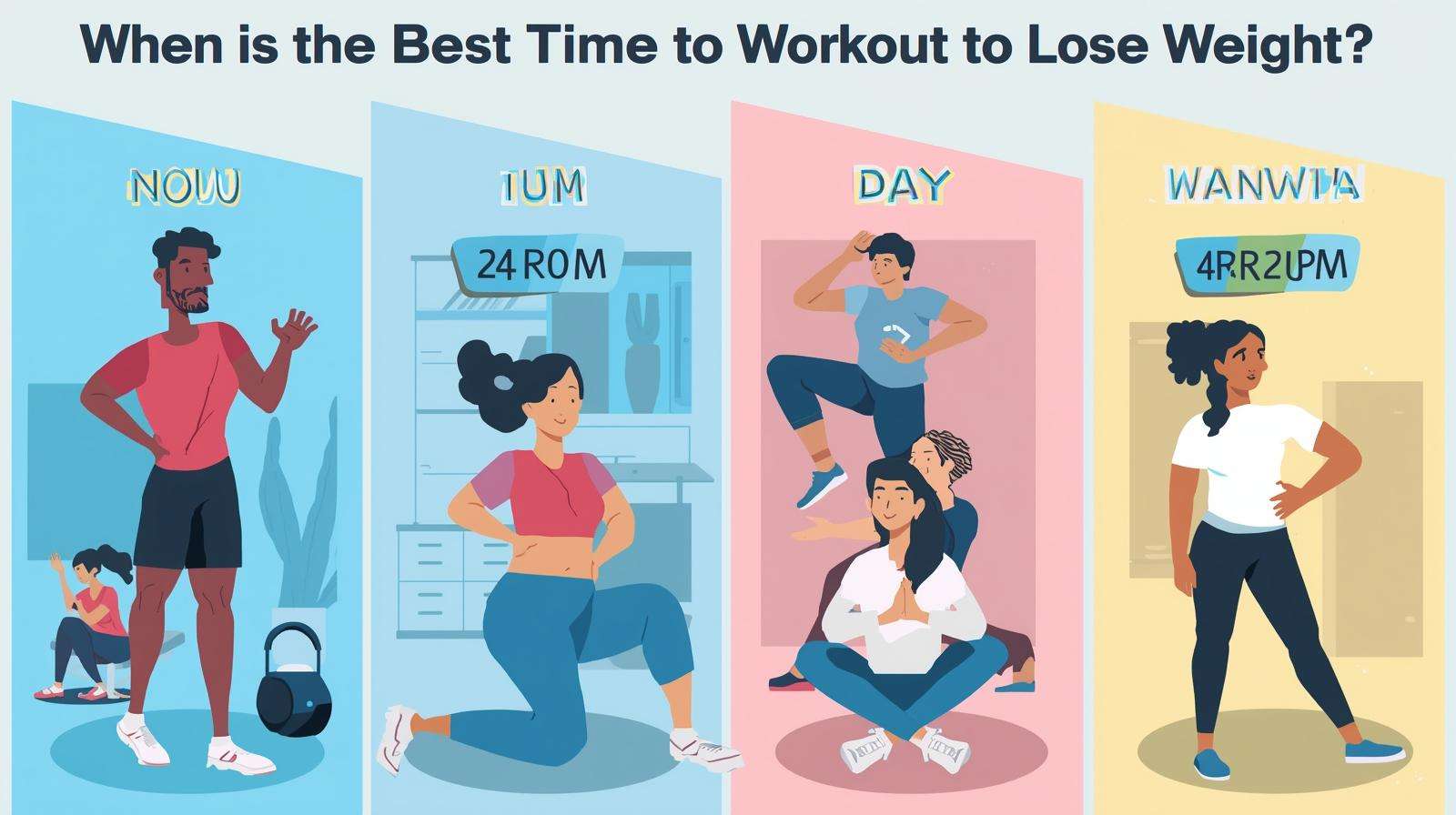
The question of when to exercise is one of the most common concerns for people seeking to lose weight. While many believe there’s a “magic hour” for fat burning, the truth is more nuanced. This comprehensive guide explores the best time to workout for weight loss, considering your body’s natural rhythms, lifestyle factors, and fitness goals.
Morning Workouts for Weight Loss: Benefits and Advantages
Why Morning Exercise Boosts Your Weight Loss Goals
Morning workouts are among the most popular choices for weight loss because they jump-start your metabolism right after waking up. When you exercise in the morning on an empty stomach or after light nutrition, your body taps into stored fat reserves for energy, a process called fasted cardio. This can enhance fat-burning efficiency during your workout and the hours immediately following.
Additionally, morning exercise provides a metabolic boost that lasts throughout your entire day. This increased metabolic rate means you burn more calories during regular daily activities, not just during the workout itself. Many fitness experts recommend morning workouts because they establish a positive habit pattern that improves consistency and adherence to your weight loss program.
The Morning Workout Advantage for Consistency
People who exercise in the morning are statistically more likely to maintain regular workout routines. Morning workouts eliminate the excuse of “I’m too tired after work” and ensure you prioritize fitness before other daily responsibilities arise. This consistency is absolutely crucial for sustainable weight loss results.
Morning Exercise and Mental Health Benefits
Starting your day with physical activity boosts endorphin production, improving mood and reducing stress. Lower stress levels help regulate cortisol, a hormone linked to weight gain and belly fat accumulation. Morning workouts also enhance mental clarity, focus, and productivity throughout your entire day.
Evening Workouts for Weight Loss: Timing and Considerations
Advantages of Late-Day Exercise
Evening workouts offer distinct advantages for weight loss that shouldn’t be overlooked. By late afternoon, your body temperature reaches its peak, muscles are warm and more flexible, and strength levels are typically higher than morning hours. This increased muscle temperature allows for more intense exercise and greater calorie expenditure during evening sessions.
Your energy levels are also naturally higher in the evening, allowing for longer, more intense workouts compared to morning sessions. This increased workout intensity directly translates to greater total calorie burn and enhanced weight loss results.
Challenges of Evening Workouts for Weight Loss
However, evening workouts present specific challenges for weight loss success. Exercising close to bedtime can interfere with sleep quality, and poor sleep negatively impacts weight management by disrupting hunger hormones like ghrelin and leptin. Aim to finish evening workouts at least 2-3 hours before bedtime to avoid sleep disruption.
Evening social obligations and work commitments often derail evening workout plans, making morning routines more reliable for consistency-focused weight loss.
Afternoon Workouts: The Often-Overlooked Optimal Window
Why Afternoon Exercise May Be Your Best Option
The afternoon, typically between 2 PM and 6 PM, represents an often-overlooked sweet spot for weight loss workouts. During these hours, your body temperature is elevated, hormones are optimally balanced, and energy levels remain high. Your muscular strength and flexibility peak in the afternoon, allowing for maximum workout intensity and calorie burn.
Afternoon Workout Benefits for Fat Loss
Afternoon exercise provides optimal conditions for intense cardio and strength training. Your core body temperature is highest, your neuromuscular coordination is excellent, and your motivation levels are typically strong. This combination creates the ideal environment for burning significant calories and building lean muscle mass that increases resting metabolic rate.
The Science Behind Workout Timing and Calorie Burning
Understanding Your Circadian Rhythm and Exercise
Your body operates on a 24-hour circadian rhythm that influences energy, hormones, and metabolic rate throughout the day. Most people experience peak performance between 2 PM and 6 PM when body temperature, strength, and coordination reach maximum levels. Understanding your personal circadian rhythm helps you identify your optimal workout time.
How Exercise Timing Affects Metabolic Rate
Workout timing influences your post-exercise oxygen consumption (EPOC), commonly called the “afterburn effect.” This is the extra calories your body burns after exercise as it returns to normal temperature and repairs muscle tissue. Both morning and evening workouts trigger EPOC, making the timing less critical than exercise intensity and consistency.
The Impact of Fasted versus Fed Workouts
Fasted workouts (exercising without eating) may increase fat burning during the session itself, but don’t necessarily lead to greater overall weight loss. Fed workouts provide more energy for intense exercise, potentially allowing higher calorie burn during the actual workout. Research suggests the total calories burned matters more than whether you’re fed or fasted.
Factors That Matter More Than Workout Timing for Weight Loss
The Importance of Workout Consistency
The absolute best time to workout is whenever you’ll consistently stick to your routine. Consistency beats perfection every single time. A regular 6 AM workout you maintain all year will produce better results than sporadically attempting “optimal” workout times. Choose a time that fits naturally into your schedule and lifestyle.
Intensity and Duration of Your Exercise
The intensity and duration of your workout matter far more than the specific time of day. A 30-minute intense high-intensity interval training (HIIT) session burns more calories than a casual 60-minute walk, regardless of timing. Focus on creating challenging workouts that elevate your heart rate and engage major muscle groups.
Nutritional Timing and Pre-Workout Fuel
What you eat before and after your workout significantly impacts weight loss results. Proper pre-workout nutrition provides energy for intense exercise, while post-workout meals aid recovery and preserve lean muscle. Your meal timing around workouts matters more than the exact hour you exercise.
Strength Training and Lean Muscle Development
Incorporating resistance training into your routine is crucial for weight loss success. Building and maintaining lean muscle mass increases your resting metabolic rate, meaning you burn more calories even while resting. Don’t prioritize timing over including regular strength training sessions.
Creating Your Personalized Workout Schedule for Maximum Weight Loss
Assessing Your Personal Energy Patterns
Pay attention to your natural energy fluctuations throughout the day for 2-3 weeks. Notice when you feel most energetic, focused, and motivated. This self-awareness helps you identify your personal optimal workout window, which may differ from general recommendations.
Aligning Workouts with Your Daily Schedule
Your best workout time is one that realistically fits into your lifestyle without constant scheduling conflicts. If mornings mean you rush and feel stressed, an evening workout might serve you better despite timing theories. Sustainable weight loss requires workouts you can maintain long-term.
Building a Consistent Routine for Results
Once you identify your optimal time, commit to that specific window for at least 8-12 weeks. Consistency allows your body to adapt and your habits to solidify. During this period, track your energy levels, workout performance, and weight loss progress to assess effectiveness.
Optimizing Your Workouts for Weight Loss Regardless of Timing
High-Intensity Interval Training (HIIT) for Maximum Calorie Burn
HIIT workouts—alternating intense effort with recovery periods—burn significant calories in short timeframes. Whether performed in the morning, afternoon, or evening, HIIT creates an intense afterburn effect that extends calorie burning for hours post-workout.
Combining Cardio and Strength Training
The most effective weight loss workout routines combine cardiovascular exercise with resistance training. Cardio burns calories during the session, while strength training builds muscle that increases daily calorie expenditure. Regardless of timing, this combination approach delivers superior weight loss results.
Progressive Overload and Workout Intensity
Gradually increasing workout intensity, duration, or resistance over time ensures your body continues adapting and burning calories efficiently. Stagnant workouts yield diminishing returns. Focus on progressive improvement regardless of workout timing.
Common Misconceptions About Workout Timing and Weight Loss
Myth: Early Morning Workouts Always Burn More Fat
While fasted morning workouts tap into fat stores, research shows this doesn’t necessarily produce greater overall fat loss compared to evening workouts. Total calorie expenditure matters most for weight loss, not the energy source during individual workouts.
Myth: You Must Workout Before Eating Anything
Exercising on a completely empty stomach can reduce workout intensity and performance. Light pre-workout nutrition (banana, toast, or light snack) provides energy for harder workouts, potentially increasing total calorie burn and weight loss results.
Myth: There’s One Perfect Time That Works for Everyone
Individual differences in circadian rhythms, schedules, energy patterns, and preferences mean the “perfect” workout time is highly personal. What works best for someone else may not work for you.
Conclusion: Finding Your Best Workout Time for Weight Loss
The best time to workout for weight loss is ultimately the time you’ll consistently maintain long-term. Whether you choose morning, afternoon, or evening exercise matters far less than establishing a sustainable routine that you can maintain year-round. Research consistently shows that consistency, workout intensity, and overall calorie balance drive weight loss results—not the specific hour you exercise.
Start by experimenting with different times over 2-3 weeks, noting your energy, motivation, and workout performance. Choose the time that aligns best with your natural rhythms and lifestyle demands. Combine your chosen workout time with proper nutrition, adequate sleep, and progressive training to maximize your weight loss success. Remember, the best workout time is the one you’ll actually do—so choose wisely and commit to consistency for lasting results.

Faisal is the founder and content creator of The Workout Haven, a fitness and wellness blog focused on home workouts, weight loss, strength training, yoga, and healthy lifestyle habits. He creates easy-to-follow, beginner-friendly fitness guides backed by research, practical experience, and real-world application. Faisal’s goal is to help people stay active, build strength, and improve overall health—no gym or expensive equipment required.