


The Lancet Ultra-Processed Foods
Table of Contents
The medical journal The Lancet has recently published groundbreaking research that should concern everyone who values their health. Studies link ultra-processed foods to a wide range of conditions, from depression to type 2 diabetes, Crohn’s disease to cardiovascular disease. This comprehensive guide will help you understand ultra-processed foods, identify them in your diet, and make healthier choices for you and your family.
What Are Ultra-Processed Foods?
Ultra-processed foods are industrial formulations made primarily from substances extracted or derived from foods, rather than whole foods themselves. The NOVA classification system, developed by Brazilian nutrition researcher Carlos A. Monteiro in 2009, categorizes foods based on their level of processing.
These foods dominate our food systems, lining the shelves of typical grocery stores. Unlike minimally processed foods such as fresh fruits, vegetables, and eggs, ultra-processed foods contain ingredients you wouldn’t typically find in a home kitchen.
The Alarming Health Risks: What The Lancet Studies Show
Comprehensive Impact on Human Health
According to The Lancet papers, ultra-processed foods are linked to adverse outcomes in nearly all human organ systems. The research draws on over a hundred studies examining the health impacts of these foods.
A 2024 umbrella review of 45 meta-analyses including almost 10 million people found that diets high in ultra-processed foods are linked to 32 health conditions, including:
- Cardiovascular diseases: Heart disease, coronary heart disease, and stroke
- Metabolic disorders: Type 2 diabetes, obesity, and chronic kidney disease
- Cancer: Multiple types, with ultra-processed meats classified as Group 1 carcinogens
- Mental health: Depression and anxiety
- Digestive issues: Crohn’s disease and other gastrointestinal disorders
- Mortality: Increased all-cause mortality risk
Why Are Ultra-Processed Foods So Harmful?
Ultra-processed foods deteriorate diet quality not just because they’re commonly high in fat, salt, and sugar, but also because they are hyperpalatable, low in health-protective phytochemicals, and energy dense. The processing itself disrupts food matrices, potentially affecting how our bodies absorb and process nutrients.
Ultra-Processed Foods List: Common Examples You Need to Know
Top 10 Ultra-Processed Foods to Avoid
Understanding which foods fall into the ultra-processed category is essential for making healthier choices. Here are the most common culprits:
- Sugary Beverages: Sodas, energy drinks, sweetened juices, and sports drinks
- Packaged Snacks: Chips, crackers with long ingredient lists, and flavored popcorn
- Processed Meats: Hot dogs, sausages, bacon, deli meats, and nuggets
- Mass-Produced Bread: White bread and buns with emulsifiers and preservatives
- Sweetened Breakfast Cereals: Cereals with added colors, flavors, and sugars
- Frozen Meals: Pre-prepared dinners, frozen pizzas, and instant noodles
- Sweets and Desserts: Packaged cookies, cakes, pastries, ice cream, and candy
- Reconstituted Meat Products: Burgers, meatballs, and fish sticks
- Instant Soups and Noodles: Cup noodles and packaged soup mixes
- Sweetened Yogurts: Flavored yogurts with artificial colors and sweeteners
How to Identify Ultra-Processed Foods
A practical way to identify an ultra-processed product is to check if its ingredient list contains food substances never or rarely used in kitchens, such as high-fructose corn syrup, hydrogenated oils, or hydrolysed proteins, or classes of additives designed to make the final product more appealing, such as flavours, colours, emulsifiers, or sweeteners.
Red flags on ingredient labels:
- High-fructose corn syrup
- Hydrogenated or interesterified oils
- Hydrolysed proteins
- Soya protein isolate
- Maltodextrin
- Artificial flavors and colors
- Emulsifiers and emulsifying salts
- Flavor enhancers
- Artificial sweeteners
Generally, if you’re getting up to 10, 15, 20 ingredients, it’s going to be much more processed than something with three or five ingredients.
List of Ultra-Processed Foods to Avoid
Beverages
- Regular and diet sodas
- Energy drinks
- Sweetened coffee drinks
- Fruit-flavored drinks with minimal juice
- Alcoholic beverages with extensive processing
Breakfast Items
- Sweetened breakfast cereals with colors and flavors
- Toaster pastries
- Flavored instant oatmeal packets
- Breakfast bars with long ingredient lists
Snacks and Sweets
- Packaged chips and cheese puffs
- Candy bars
- Packaged cookies and brownies
- Ice cream with artificial ingredients
- Flavored crackers
Main Dishes
- Frozen pizza
- Instant ramen and cup noodles
- Boxed mac and cheese
- Frozen dinners
- Canned pasta meals
Condiments and Spreads
- Many commercial salad dressings
- Processed cheese spreads
- Margarine with hydrogenated oils
- Sweetened ketchup
The Unprocessed Foods Diet: A Healthier Alternative
What Are Unprocessed and Minimally Processed Foods?
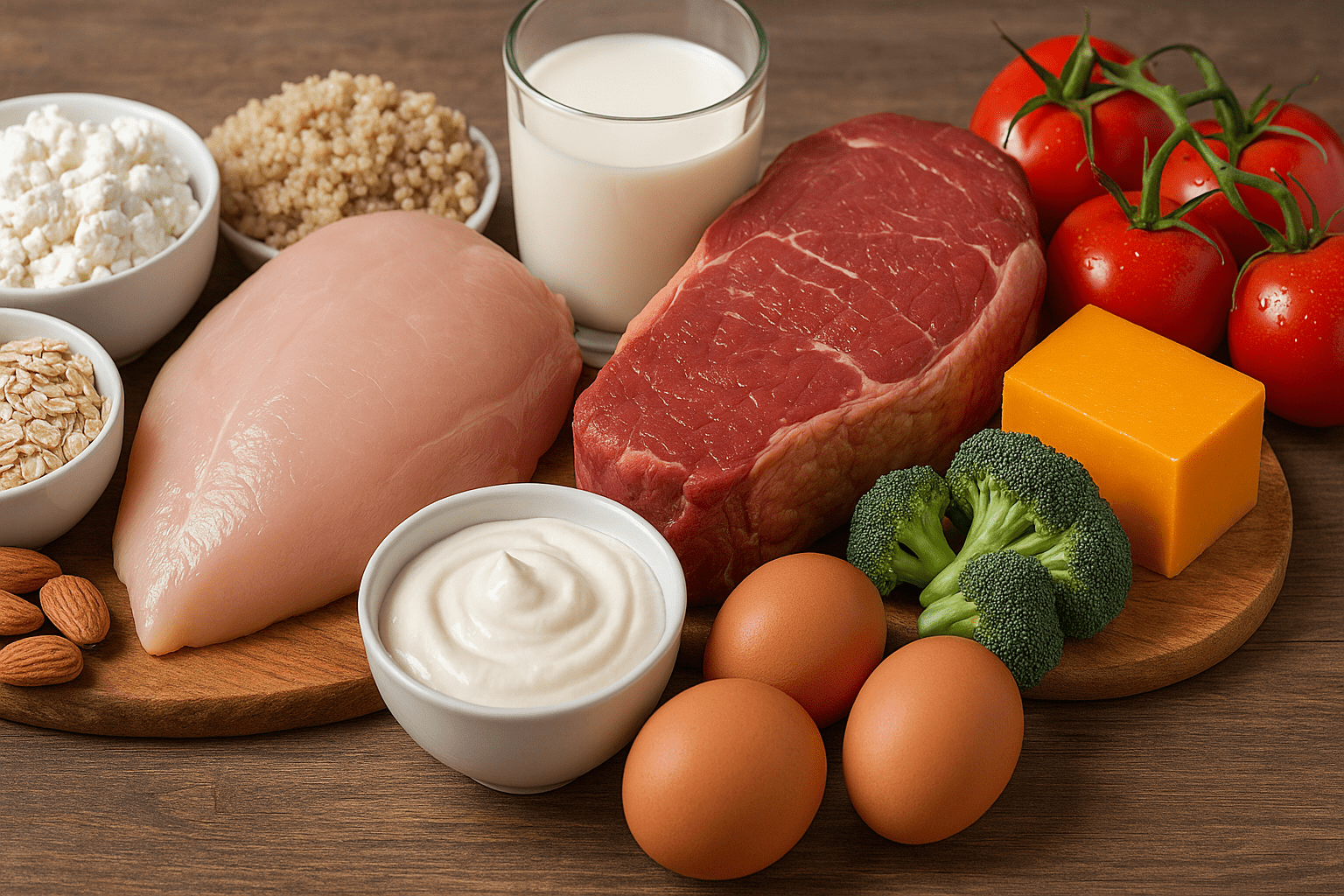
Unprocessed or minimally processed foods include fruits, vegetables, beans, nuts, seeds, eggs, meat, poultry, pasta, plain yogurt, and coffee. These whole foods provide essential nutrients without the harmful additives found in ultra-processed products.
Building Your Unprocessed Foods Shopping List
Produce:
- Fresh fruits and vegetables
- Frozen fruits and vegetables without sauces
- Dried fruits without added sugar
Proteins:
- Fresh meat, poultry, and fish
- Eggs
- Dried beans and lentils
- Plain tofu
- Nuts and seeds
Grains:
- Whole grain rice
- Oats (steel-cut or rolled)
- Quinoa
- Whole grain pasta
- Bread with minimal ingredients (flour, water, salt, yeast)
Dairy:
- Plain milk
- Plain yogurt
- Traditional cheeses (block cheese, not pre-sliced)
- Butter
Pantry Staples:
- Olive oil and other cooking oils
- Herbs and spices
- Plain flour
- Honey or maple syrup
Unprocessed Foods to Avoid Confusion About
Not all processing is bad. Some foods undergo minimal processing that makes them safer or more accessible without compromising nutritional value:
These ARE acceptable:
- Pasteurized milk
- Frozen vegetables
- Canned tomatoes
- Dried pasta
- Canned beans (rinse to reduce sodium)
- Plain frozen fish
These are NOT unprocessed:
- Flavored yogurts with multiple additives
- Breakfast cereals with colors and sugars
- Pre-seasoned frozen vegetables
- Instant rice mixes
- Processed cheese products
Practical Tips for Reducing Ultra-Processed Foods
Shopping Strategies
- Shop the perimeter: Fresh produce, meat, and dairy are typically located around the store’s edges
- Read ingredient labels: Choose products with five or fewer recognizable ingredients
- Check “best by” dates: Foods with “best if used by” dates years in the future likely contain many preservatives
- Buy whole foods: Select whole potatoes instead of boxed mashed potatoes
Meal Planning Tips
- Batch cook: Prepare larger portions of homemade meals and freeze extras
- Prep snacks: Cut vegetables and fruits for easy grab-and-go options
- Make sauces at home: Create simple pasta sauces from tomatoes, olive oil, and herbs
- Choose water: Replace sugary beverages with water or unsweetened coffee and tea
Healthy Swaps
| Instead of… | Choose… |
|---|---|
| Flavored yogurt | Plain yogurt with fresh fruit |
| Chips | Nuts or cut vegetables with hummus |
| Soda | Sparkling water with fresh fruit |
| Instant noodles | Whole grain pasta with homemade sauce |
| Packaged cookies | Homemade fruit crisp |
| Pre-sliced cheese | Block cheese you slice yourself |
| Frozen pizza | Homemade pizza with whole grain crust |
| Breakfast cereal | Steel-cut oats with berries |
The Reality of Modern Eating
Ultra-processed food now accounts for nearly 60% of US adults’ calorie consumption, and among American children, that portion is close to 70%. While experts agree that occasionally eating ultra-processed food is acceptable, the challenge lies in making “occasionally” a reality.
When Ultra-Processed Foods Are Necessary
Life gets busy, and complete avoidance isn’t always realistic or necessary. Occasionally, you may be in a pinch for time or need a quick source of fuel, so it’s acceptable to eat them sometimes, but don’t rely on them.
When choosing ultra-processed foods:
- Select options with lower sodium, saturated fat, and added sugar
- Choose whole grain versions when available (e.g., whole grain bread or cereal)
- Add unprocessed fruits or vegetables to improve nutritional quality
- Check labels for the shortest ingredient lists
International health experts say ultra-processed foods need
Frequently Asked Questions (FAQs)
What exactly makes a food “ultra-processed”?
Ultra-processed foods are industrial formulations made primarily from substances extracted from foods (like oils, fats, sugar, and proteins) or synthesized in laboratories. They contain ingredients rarely used in home cooking, such as high-fructose corn syrup, hydrogenated oils, and artificial additives for flavor, color, or texture.
Are all processed foods bad for you?
No. Processing itself isn’t the problem—some processing methods like pasteurization, freezing, and canning make food safer and reduce waste. The concern is with ultra-processed foods that contain multiple artificial additives and have been stripped of beneficial nutrients.
Can I ever eat ultra-processed foods?
Yes, occasionally eating ultra-processed foods won’t harm your health. The key is ensuring they don’t dominate your diet. Aim for whole, minimally processed foods most of the time, reserving ultra-processed options for occasional convenience.
What are the worst ultra-processed foods?
Ultra-processed meats have been classified by the WHO as a Group 1 carcinogen for their link to colorectal cancer. Sugary beverages, packaged snacks high in salt and fat, and highly sweetened cereals are also particularly concerning due to their lack of nutritional value and high calorie density.
How do I start reducing ultra-processed foods in my diet?
Start gradually by making simple swaps: replace sugary beverages with water, choose plain yogurt instead of flavored, and buy whole fruits instead of packaged snacks. Focus on adding more whole foods rather than obsessing over complete elimination.
Are plant-based meat substitutes healthy alternatives?
Plant-based meat and cheese substitutes are also ultra-processed and might not be as healthy as marketed. Check ingredient labels carefully—many contain long lists of additives despite being plant-based.
What should I look for on food labels?
Look for short ingredient lists (five or fewer items) with recognizable, pronounceable ingredients. Avoid products with high-fructose corn syrup, hydrogenated oils, artificial flavors, colors, or multiple types of sweeteners and preservatives.
Is bread always ultra-processed?
Not necessarily. Industrial breads made only from wheat flour, water, salt, and yeast are processed foods, while those whose ingredient lists also include emulsifiers or colours are ultra-processed.
Can ultra-processed foods affect mental health?
Yes. Research included in The Lancet series shows associations between high ultra-processed food consumption and depression and anxiety. The mechanisms aren’t fully understood but may relate to inflammation, nutrient deficiencies, and effects on gut health.
What if I can’t afford fresh, whole foods?
If fresh fruits and vegetables are too expensive, choose minimally processed frozen or canned options with no added salt or sugar. These provide similar nutritional benefits at lower costs. Dried beans, lentils, and whole grains are also affordable, nutritious staples.
Conclusion: Taking Control of Your Health
The Lancet’s comprehensive research on ultra-processed foods provides compelling evidence that what we eat profoundly impacts our health across multiple organ systems. While these foods have become deeply embedded in modern food systems, you have the power to make different choices.
Start small. You don’t need to overhaul your entire diet overnight. Begin by reading labels more carefully, making a few key swaps, and gradually increasing the proportion of whole, minimally processed foods in your meals. Every positive change moves you toward better health.
Remember, the goal isn’t perfection—it’s progress. By understanding what ultra-processed foods are, recognizing them on store shelves, and choosing healthier alternatives when possible, you’re taking important steps to protect your health and wellbeing for years to come.
Your health is worth the effort. Start making changes today.
Note: This article is for informational purposes only and should not replace professional medical advice. Consult with a healthcare provider or registered dietitian for personalized nutrition guidance.

Faisal is the founder and content creator of The Workout Haven, a fitness and wellness blog focused on home workouts, weight loss, strength training, yoga, and healthy lifestyle habits. He creates easy-to-follow, beginner-friendly fitness guides backed by research, practical experience, and real-world application. Faisal’s goal is to help people stay active, build strength, and improve overall health—no gym or expensive equipment required.