


Quickest Weight Loss Tips
Table of Contents
Quickest Weight Loss Tips: Your Complete Guide to Shedding Pounds Fast
Let’s be real—when you’re staring at the scale and feeling frustrated, you want results yesterday. I get it. Whether you’ve got a wedding coming up, a vacation on the horizon, or you’re just ready to feel better in your own skin, you’re looking for weight loss tips that actually work.
Here’s the thing: sustainable weight loss takes time, but there are legitimate ways to jumpstart your journey and see meaningful results quickly. I’m going to walk you through everything you need to know, from what works to what doesn’t, so you can make informed choices about your health.
How to Lose Weight in 7 Days
Can you really lose weight in a week? Absolutely. Will it be 20 pounds? Probably not—and honestly, you wouldn’t want it to be. Rapid, extreme weight loss often means you’re losing water weight and muscle, not fat.
That said, a realistic goal is losing 2-5 pounds in seven days through a combination of strategies. Start by cutting out processed foods and added sugars. Your body will thank you, and you’ll notice less bloating almost immediately. Drink at least 8 glasses of water daily—it sounds counterintuitive, but proper hydration actually helps reduce water retention.
Increase your protein intake to about 25-30% of your daily calories. Protein keeps you fuller longer and helps preserve muscle mass while you’re in a calorie deficit. Think grilled chicken, fish, eggs, Greek yogurt, and legumes.
Add 30-45 minutes of cardio most days. You don’t need to kill yourself at the gym—a brisk walk, a bike ride, or a home workout video will do the trick. The goal is to move your body and burn more calories than you consume.
Quickest Weight Loss Tips at Home
You don’t need a fancy gym membership or expensive equipment to lose weight. Some of the most effective strategies happen right in your own home.
Control your environment. If junk food isn’t in your house, you can’t eat it during those late-night cravings. Stock your kitchen with whole foods: vegetables, fruits, lean proteins, and whole grains.
Meal prep on Sundays. Spend a couple of hours preparing healthy meals for the week. When you’re tired after work, you’ll reach for what’s convenient—make sure what’s convenient is also healthy.
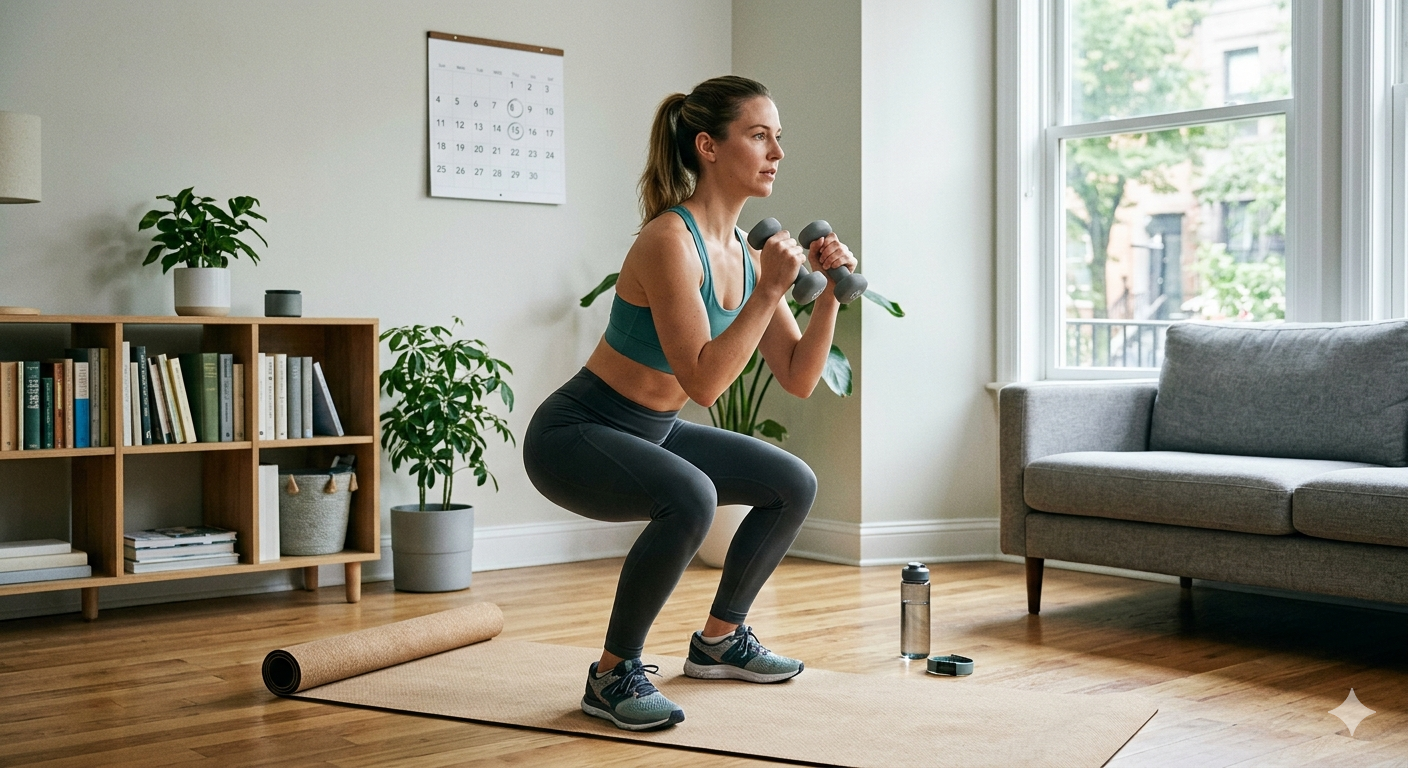
Try bodyweight exercises. Push-ups, squats, lunges, planks, and burpees require zero equipment and torch calories. There are countless free YouTube videos with guided home workouts that are surprisingly effective.
Get serious about sleep. This one’s huge and often overlooked. Poor sleep messes with your hunger hormones, making you crave sugary foods and overeat. Aim for 7-9 hours per night. Create a bedtime routine, keep your room cool and dark, and put your phone away an hour before bed.
Track your food. Use a free app to log what you eat. You’d be shocked at how many calories sneak in throughout the day. Awareness is the first step to change.
10 kg Weight Loss in 7 Days Diet Plan
Let me be straight with you: losing 10 kg (about 22 pounds) in 7 days isn’t realistic or healthy. Anyone promising this is selling you something or doesn’t understand how the human body works.
The math just doesn’t add up. You’d need to create a calorie deficit of around 77,000 calories in one week. That’s over 11,000 calories per day. Even if you ate nothing at all, most people don’t burn that many calories daily.
What’s happening when people claim dramatic losses like this? They’re losing water weight, waste, and unfortunately, muscle mass. The moment they return to normal eating, the weight comes right back—often with extra pounds.
Instead, aim for a realistic goal of 1-2 kg per week through a balanced approach. Focus on whole foods, portion control, regular exercise, and consistency. Create a moderate calorie deficit of 500-750 calories per day through a combination of eating less and moving more.
A sensible week might look like: lean proteins at every meal, lots of vegetables, complex carbs like brown rice or quinoa in smaller portions, healthy fats from avocados and nuts in moderation, and minimal processed foods.
How to Lose Weight Fast in 2 Weeks
Two weeks is a much more reasonable timeframe for seeing real results. You could realistically lose 4-8 pounds in this period while still maintaining your health and energy levels.
Here’s your two-week game plan:
Week 1: Focus on eliminating liquid calories and obvious junk food. No soda, minimal alcohol, no candy or chips. Replace these with water, herbal tea, and whole foods. Start exercising 5 days this week—alternate between cardio and strength training.
Week 2: Tighten up your portions. Use smaller plates, measure your food, and stop eating when you’re satisfied (not stuffed). Increase your vegetable intake—fill half your plate with veggies at lunch and dinner. They’re low in calories but high in fiber, keeping you full.
Throughout both weeks, front-load your calories earlier in the day. A substantial breakfast and lunch with a lighter dinner works well for many people. Your body burns more calories during active daytime hours.
Intermittent Fasting to Lose Weight Fast
Intermittent fasting (IF) has exploded in popularity, and for good reason—many people find it genuinely effective. The concept is simple: you cycle between periods of eating and fasting.
The most popular method is 16:8, where you fast for 16 hours and eat within an 8-hour window. For example, if you finish dinner at 7 PM, you wouldn’t eat again until 11 AM the next day. During the fasting window, you can drink water, black coffee, or tea.
Why does it work? For starters, it naturally reduces your calorie intake—there are only so many meals you can fit into 8 hours. It also allows your insulin levels to drop, which helps your body access stored fat for energy.
Some people find IF makes them less hungry overall. Others love the simplicity—no complicated meal plans, just a time restriction.
That said, IF isn’t magic. If you eat 3,000 calories during your 8-hour window, you still won’t lose weight. You need to maintain a calorie deficit. Also, IF isn’t for everyone. If you’re pregnant, have a history of eating disorders, or have certain medical conditions, talk to your doctor first.
Weight Loss Pills: The Truth You Need to Know
I’m going to give it to you straight because the weight loss pill industry is full of misleading claims and empty promises.
Most over-the-counter weight loss pills are either ineffective or come with side effects that outweigh any minimal benefits. The ones that do “work” typically contain high doses of caffeine or other stimulants that might suppress appetite or slightly boost metabolism—but they also cause jitters, anxiety, sleep problems, and increased heart rate.
Prescription weight loss medications do exist and can be appropriate for certain people with obesity-related health conditions. Medications like semaglutide have shown real results in clinical trials, but they require medical supervision and are meant to be combined with lifestyle changes.
The bottom line: there’s no pill that will magically melt fat while you sit on the couch eating pizza. Any supplement marketed as a quick fix is likely wasting your money at best and potentially dangerous at worst.
If you’re considering weight loss medication, have an honest conversation with your healthcare provider about whether you’re a candidate and what the realistic expectations are.
Making It Stick: Beyond Quick Fixes
Here’s what nobody wants to hear but everyone needs to know: quick weight loss is the easy part. Keeping it off is the challenge.
Focus on building habits you can maintain long-term. Extreme diets and punishing workout routines aren’t sustainable. Find physical activities you genuinely enjoy, develop a healthy relationship with food, manage stress effectively, and be patient with yourself.
Remember, your body didn’t gain weight overnight, and it won’t lose it overnight either. But with consistency, realistic expectations, and the right strategies, you absolutely can achieve your weight loss goals.
The Fastest Way to 12% Body Fat (From Any Start Point)
Frequently Asked Questions
Q: What’s the fastest way to lose weight safely?
A: The fastest safe method combines a moderate calorie deficit (500-750 calories below your maintenance level), regular exercise including both cardio and strength training, high protein intake, and adequate sleep. Expect to lose 1-2 pounds per week sustainably.
Q: Can I lose belly fat in a week?
A: You can’t target fat loss from specific areas, but you can reduce overall body fat, which includes belly fat. In one week, you’ll likely see some reduction in bloating and water retention, which can make your midsection appear slimmer. Actual fat loss takes longer.
Q: Is it safe to lose 5 kg in a week?
A: Losing 5 kg (11 pounds) in one week is not safe or sustainable. Much of this would be water weight and muscle loss, not fat. Rapid weight loss can lead to nutritional deficiencies, gallstones, muscle loss, and metabolic slowdown. Aim for 0.5-1 kg per week instead.
Q: What foods should I avoid for quick weight loss?
A: Cut out sugary drinks, alcohol, candy, chips, baked goods, fried foods, and highly processed snacks. These are calorie-dense but not filling, making it easy to overconsume. Also minimize white bread, pasta, and rice, opting for whole grain versions in smaller portions.
Q: Does drinking water help you lose weight faster?
A: Yes! Drinking water before meals can help you eat less, staying hydrated supports your metabolism, and often what we think is hunger is actually thirst. Water also has zero calories, making it the perfect replacement for sugary drinks. Aim for at least 8 glasses daily.
Q: How much exercise do I need to lose weight quickly?
A: For faster results, aim for 45-60 minutes of moderate-intensity exercise most days of the week. Combine cardio (walking, running, cycling) with strength training. However, remember that diet plays a bigger role than exercise in weight loss—you can’t outrun a bad diet.
Q: Will I gain the weight back after losing it quickly?
A: If you return to your old eating habits, yes. Quick weight loss through extreme restriction almost always leads to rebound weight gain. The key is using quick-start methods to build momentum, then transitioning to sustainable, long-term habits. Focus on lifestyle changes, not temporary diets.

Faisal is the founder and content creator of The Workout Haven, a fitness and wellness blog focused on home workouts, weight loss, strength training, yoga, and healthy lifestyle habits. He creates easy-to-follow, beginner-friendly fitness guides backed by research, practical experience, and real-world application. Faisal’s goal is to help people stay active, build strength, and improve overall health—no gym or expensive equipment required.