




15-Minute Mobility Routine for Beginners
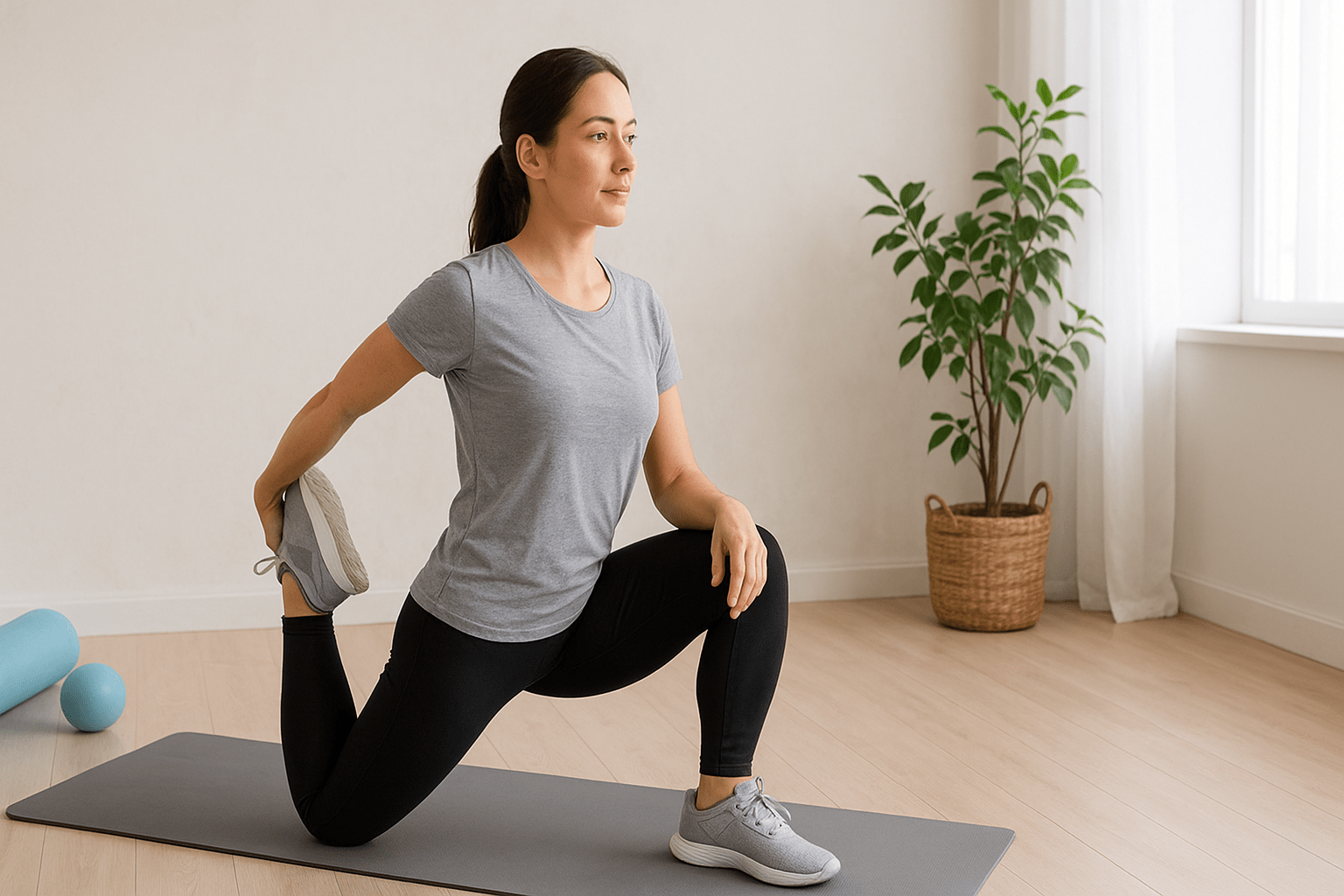
Table of Contents
Let’s be honest—most of us spend way too much time sitting. Whether you’re working at a desk, driving, or binge-watching your favorite show, all that sitting takes a toll on your body. Your hips get tight, your spine feels stiff, and suddenly you’re moving like the Tin Man before Dorothy found the oil can.
The good news? You don’t need hours at the gym to feel better. A simple 15-minute mobility routine can make a huge difference in how you move and feel throughout the day.
What Is a Mobility Routine, and Why Does It Matter?
Before we dive into the exercises, let’s clear something up. Mobility isn’t the same as flexibility. Flexibility is about how far your muscles can stretch, while mobility is about how well your joints can move through their full range of motion with control.
Think of it this way: you might be able to touch your toes (flexibility), but can you squat down comfortably to pick something up off the floor (mobility)? That’s the difference.
A good mobility routine helps you:
- Move more freely in everyday activities
- Reduce aches and stiffness
- Prevent injuries
- Improve your performance in workouts
- Feel younger and more energized
Your 15-Minute Mobility Routine at Home
The beauty of this 15-minute mobility routine at home is that you don’t need any equipment. Just a bit of floor space and the willingness to move. You can do this first thing in the morning, during a work break, or before bed.
1. Neck Circles and Rolls (1 minute)
Start by loosening up your neck. Slowly roll your head in circles, first clockwise, then counterclockwise. Then do some gentle side-to-side tilts. Your neck carries a lot of tension, especially if you’re looking at screens all day.
2. Cat-Cow Stretch (2 minutes)
Get on your hands and knees for this classic spinal mobility routine movement. Arch your back like a scared cat, then dip your belly toward the floor while lifting your chest. Move slowly and deliberately, syncing your breath with the movement. This wakes up your entire spine.
3. Thoracic Rotation Exercise (2 minutes)
Here’s where we target that mid-back area. Stay on your hands and knees, place one hand behind your head, and rotate your elbow toward the ceiling, opening up through your chest. This thoracic rotation exercise is gold for anyone who sits at a desk. Your thoracic spine (mid-back) gets incredibly stiff from slouching, and this movement brings it back to life.
For an even deeper thoracic mobility workout, you can do this standing against a wall or sitting in a chair—whatever works for your body.
4. Hip Circles (2 minutes)
Stand on one leg (hold onto something if you need balance) and make big circles with your other leg. Do both directions, then switch legs. This simple move is essential for any hip mobility routine for beginners. Your hips are involved in almost every movement you make, so keeping them mobile is crucial.
5. 90/90 Hip Stretch (2 minutes)
Sit on the floor with one leg bent in front of you at 90 degrees and the other bent behind you at 90 degrees. Lean forward gently, then switch sides. This targets both internal and external hip rotation—two things most people desperately need to work on.
6. Deep Squat Hold (2 minutes)
Squat down as low as you comfortably can and just hang out there. Hold onto something if you need support. Rock side to side, shift your weight around, and let gravity do its thing. This is a fundamental human position that we’ve mostly forgotten how to do. Your hips, ankles, and lower back will thank you.
7. Spinal Waves (1 minute)
Stand with feet hip-width apart and create a wave-like motion through your spine, starting from your head and flowing all the way down to your tailbone, then reverse it. This spinal mobility routine exercise helps you reconnect with how your spine is designed to move—as one fluid unit, not a rigid pole.
8. Shoulder Rolls and Arm Circles (2 minutes)
Roll your shoulders backward and forward, then make big circles with your arms in both directions. Finish with some arm crosses in front of your chest. Your shoulders get locked up from typing, texting, and carrying stress, so give them some love.
9. Ankle Circles (1 minute)
Don’t forget your ankles! Point and flex your feet, then make circles in both directions with each ankle. Stiff ankles affect everything up the chain—your knees, hips, and even your back.
How to Make This 12-Minute Mobility Workout Work for You
If you’re really pressed for time, you can condense this into a 12-minute mobility workout by spending a bit less time on each exercise or skipping one or two movements. The key is consistency, not perfection. Doing 10 minutes every single day beats doing 30 minutes once a week.
Tips for Getting the Most Out of Your Mobility Routine
Move slowly and mindfully. This isn’t about rushing through movements. Pay attention to how your body feels. Where are you tonight? Where do you feel good?
Breathe deeply. Your breath helps your nervous system relax, which lets your muscles release tension. Inhale through your nose, exhale through your mouth.
Don’t force anything. Mobility work should feel like a gentle exploration, not a painful stretch. You’re trying to teach your body that it’s safe to move, not proving how tough you are.
Be consistent. Doing this 15-minute mobility routine three to five times a week will create noticeable changes in how you move and feel.
Listen to your body. Some days you’ll feel looser, other days tighter. That’s normal. Adjust the movements based on how you feel that day.
When to Do Your Mobility Routine
Morning: A morning mobility routine helps you shake off that stiff, just-woke-up feeling and sets a positive tone for the day.
Before workouts: Doing mobility work before exercise prepares your joints and muscles for movement, helping you perform better and stay injury-free.
Evening: An evening routine can help you unwind, release tension from the day, and improve your sleep quality.
During work breaks: Breaking up long periods of sitting with a few mobility exercises can prevent that end-of-day stiffness and keep your energy up.
Common Mistakes to Avoid
Don’t bounce or jerk through movements. Mobility work should be smooth and controlled.
Don’t hold your breath. Keep breathing naturally throughout each exercise.
Don’t skip areas that feel tight. Those are exactly the areas that need the most attention.
Don’t expect overnight results. Mobility improvements take time and consistent effort.
The Bottom Line
You don’t need fancy equipment, a gym membership, or hours of free time to improve how your body moves. This 15-minute mobility routine for beginners gives you everything you need to start feeling better right away.
Your body is designed to move in all sorts of ways—rotating, bending, twisting, and reaching. Modern life has taken a lot of that natural movement away from us, but you can get it back. Fifteen minutes a day is all it takes.
Start today. Your future self will thank you.
Mobility Routine youtube
Frequently Asked Questions
Q: How is mobility different from stretching?
A: Stretching typically focuses on lengthening muscles passively, while mobility work involves actively moving your joints through their full range of motion with control. Mobility combines flexibility, strength, and coordination together.
Q: How often should I do this 15-minute mobility routine?
A: Aim for at least three to five times per week for best results. Daily practice is even better if you can manage it. Consistency matters more than duration.
Q: Can I do mobility work if I have an injury?
A: Always check with a healthcare provider first if you have an injury. That said, gentle mobility work can often help during recovery by maintaining range of motion and preventing stiffness in uninjured areas.
Q: Will this mobility routine help with back pain?
A: Many people find that regular mobility work, especially spinal and hip mobility exercises, helps reduce back pain. However, if you have chronic or severe back pain, consult a healthcare professional for a proper diagnosis.
Q: Do I need to warm up before doing mobility exercises?
A: Mobility work itself serves as a great warm-up. However, if you’re very stiff or it’s the first thing in the morning, you might want to do a minute or two of light movement like marching in place before you start.
Q: What’s the difference between this and yoga?
A: There’s definitely overlap! Yoga incorporates mobility work along with breathing practices, meditation, and specific sequences. This routine focuses specifically on improving joint mobility and can complement a yoga practice or stand on its own.
Q: How long before I see results?
A: Most people notice they feel less stiff and move more easily within one to two weeks of consistent practice. Significant improvements in range of motion typically develop over four to eight weeks.
Q: Can I do this routine if I’m not flexible at all?
A: Absolutely! This routine is designed for beginners and can be modified to any fitness level. Work within your current range of motion, and you’ll gradually improve over time.

Faisal is the founder and content creator of The Workout Haven, a fitness and wellness blog focused on home workouts, weight loss, strength training, yoga, and healthy lifestyle habits. He creates easy-to-follow, beginner-friendly fitness guides backed by research, practical experience, and real-world application. Faisal’s goal is to help people stay active, build strength, and improve overall health—no gym or expensive equipment required.