
Dumbbell Workouts for Beginners | 30 Minute Dumbbell Workout
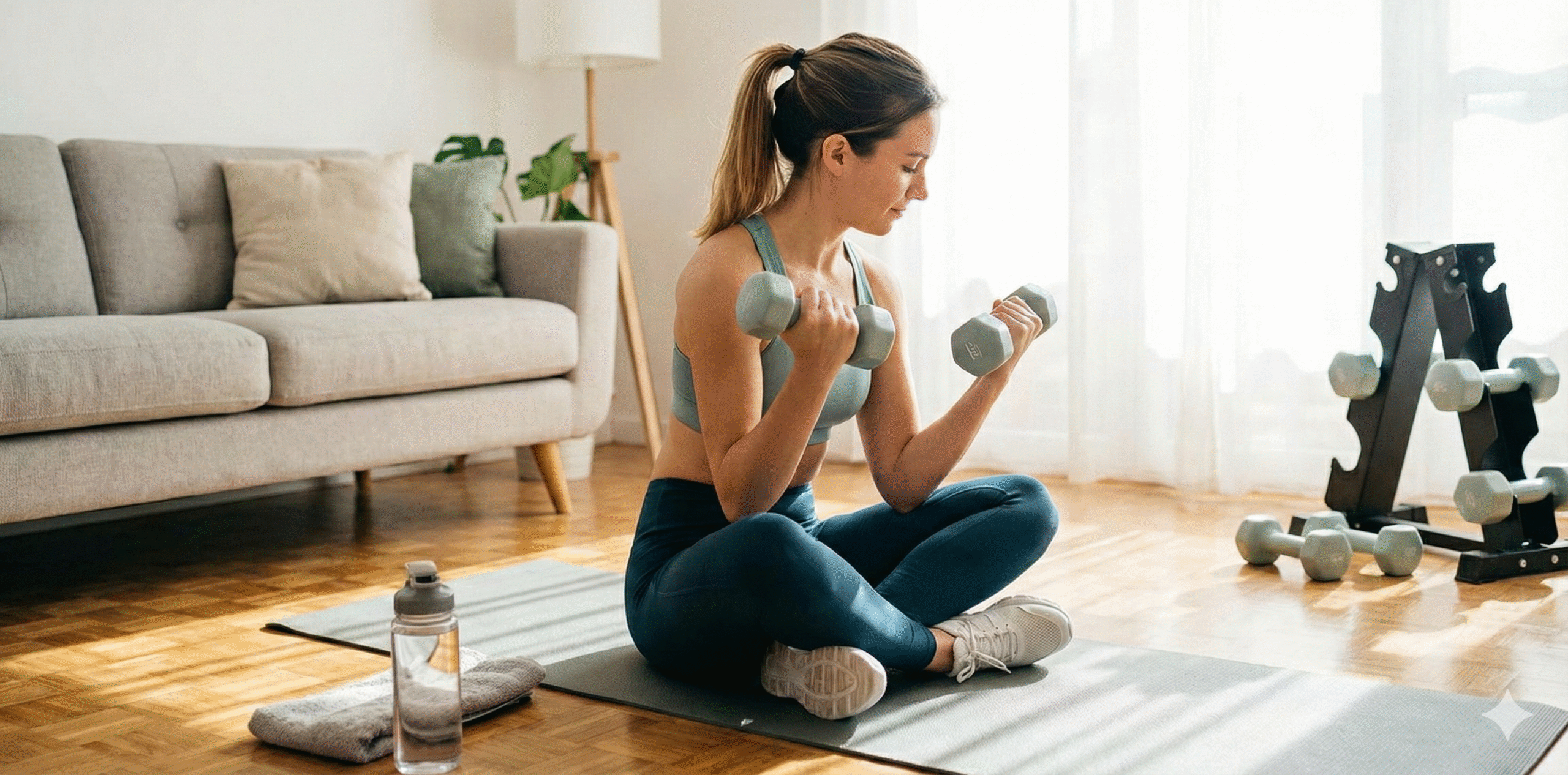
Table of Contents
Dumbbell Workouts for Beginners: Your Complete Guide to Building Strength at Home
Starting your fitness journey can feel overwhelming, but dumbbell workouts offer one of the most practical and effective ways to build strength, especially when you’re working out at home. Whether you’re looking to tone your arms, build a stronger chest, or develop full-body strength, dumbbells are incredibly versatile tools that can transform your fitness routine.
Why Choose Dumbbell Workouts at Home?
There’s something empowering about being able to work out in your own space, on your own schedule. Dumbbell workouts at home give you that freedom without sacrificing results. You don’t need an expensive gym membership or a room full of equipment. Just a pair of dumbbells and a little space is all it takes to get started.
Dumbbells are perfect for beginners because they’re straightforward to use and allow you to work at your own pace. Unlike complex machines, you can learn proper form quickly and adjust the weight as you get stronger. Plus, they’re great for improving your balance and coordination since you’re controlling the weight yourself.
Getting Started: Choosing Your Weights
One of the most common questions I hear is: “What weight should I start with?” Here’s the honest answer—it depends on you. But don’t let that stress you out.
For most beginners, women typically start with 5-10 pound dumbbells, while men often begin with 10-20 pounds. The key is choosing a weight that challenges you during the last few reps but doesn’t compromise your form. If you’re breezing through 12 reps without breaking a sweat, go heavier. If you can’t complete 8 reps with proper form, go lighter.
I always recommend having at least two sets of dumbbells with weights if possible—one lighter pair for exercises like lateral raises and bicep curls, and one heavier pair for bigger movements like squats and chest presses.
Essential Full Body Dumbbell Workouts
Let’s dive into a complete dumbbell workout routine that hits every major muscle group. This full body approach is perfect for beginners because it’s efficient and gives your muscles time to recover between sessions.
Lower Body: Building Strong Legs
Goblet Squats
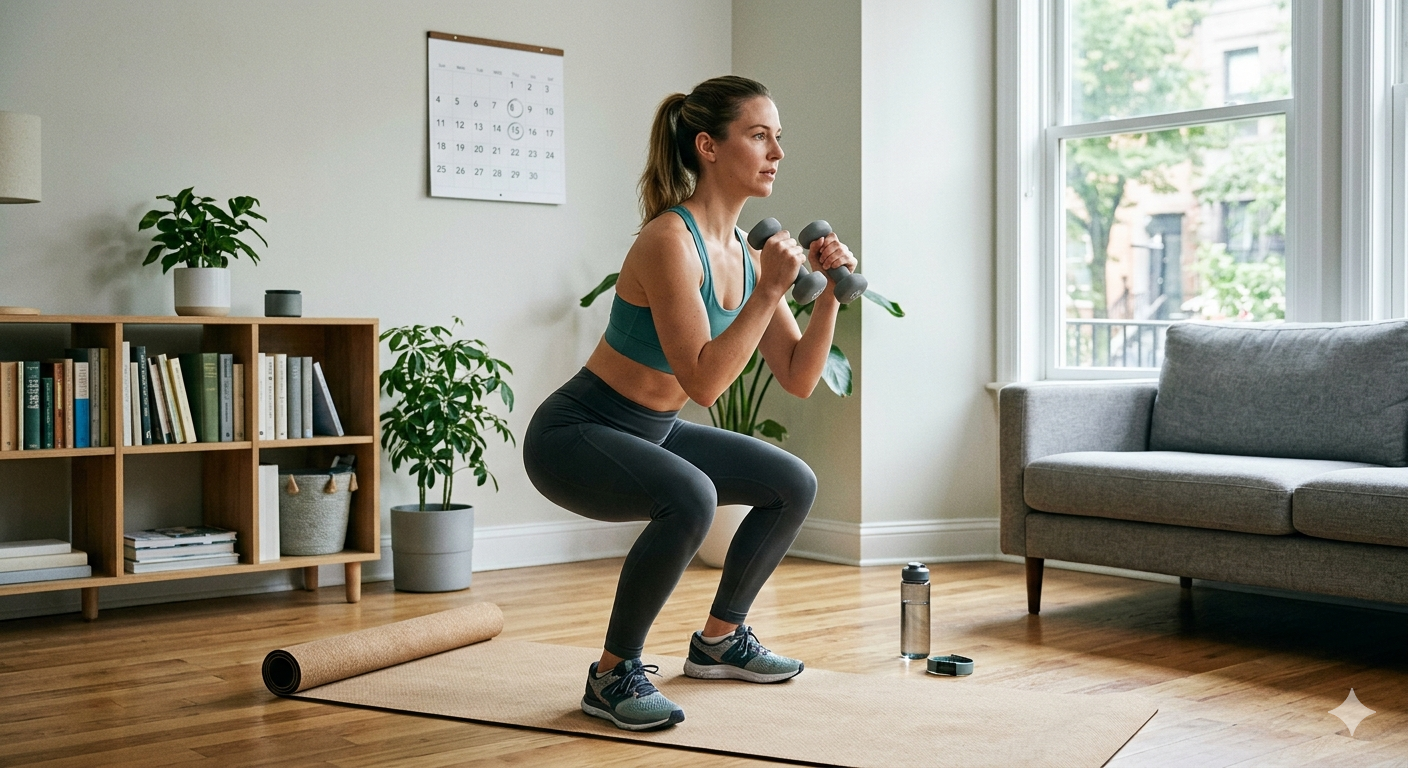
This is hands-down one of the best dumbbell leg workout exercises you can do. Hold one dumbbell vertically against your chest with both hands cupping the top end. Stand with your feet hip-width apart, toes pointing slightly outward. As you lower into a squat, imagine sitting back into a chair. Keep your chest proud and your back straight. Your knees should track over your toes—not caving inward. Push through your heels to stand back up. This movement works your quads, glutes, and core all at once.
Reverse Lunges
Grab a dumbbell in each hand and let them hang naturally at your sides. Step one foot back and lower your body until both knees form 90-degree angles. Your front knee should stay above your ankle, and your back knee should hover just above the floor. Push through your front heel to return to standing. This exercise is gentler on your knees than forward lunges and really fires up your glutes.
Upper Body: Chest Workouts with Dumbbells
Dumbbell Floor Press
Lie on your back with your knees bent and feet flat on the floor. Hold a dumbbell in each hand with your arms extended above your chest. Lower the dumbbells slowly until your elbows touch the floor, keeping them at about a 45-degree angle from your body—not straight out to the sides. Press the weights back up, focusing on squeezing your chest muscles. This is one of the most effective chest workouts with dumbbells you can do at home without a bench.
Overhead Press
Stand with dumbbells at shoulder height, palms facing forward. Your feet should be shoulder-width apart with your core engaged. Press the dumbbells straight up overhead until your arms are fully extended but not locked. Lower them back down with control. This exercise builds strong shoulders and also works your triceps and upper chest.
Back Workouts with Dumbbells
Bent-Over Rows
This is crucial for building a strong, balanced upper body. Hinge forward at your hips, keeping your back straight and core tight. Let the dumbbells hang straight down from your shoulders. Pull them up toward your ribcage, squeezing your shoulder blades together at the top. Think about pulling your elbows back rather than just lifting the weights. Lower slowly and repeat. This is one of the best back workouts with dumbbells for developing thickness and strength.
Dumbbell Workouts for Arms
Bicep Curls
Stand tall with a dumbbell in each hand, arms fully extended, palms facing forward. Curl the weights up toward your shoulders, keeping your elbows tucked into your sides. Don’t swing or use momentum—that’s cheating your muscles out of the work. Lower with control. Your biceps should be burning by the last few reps.
Triceps Extensions
Hold one dumbbell with both hands overhead, arms extended. Keep your elbows close to your head and pointing forward. Lower the weight behind your head by bending your elbows, then extend back up. This isolates your triceps and helps build definition in the back of your arms.
Your Complete Dumbbell Workout Routine
Here’s how to put it all together into an effective dumbbell workout routine:
Workout Structure:
- Perform 2-3 sets of each exercise
- Aim for 10-12 repetitions per set
- Rest 30-60 seconds between exercises
- Complete this workout 2-3 times per week with at least one rest day between sessions
The Routine:
- Goblet Squats
- Dumbbell Floor Press
- Bent-Over Rows
- Reverse Lunges (each leg)
- Overhead Press
- Bicep Curls
- Triceps Extensions
Tips for Success with Dumbbell Workouts with Weights
Focus on Form First
I can’t stress this enough—proper form beats heavy weight every single time. When you’re first learning these movements, even go lighter than you think you need to. Practice the motion, feel which muscles should be working, and build that mind-muscle connection. Once your form is solid, then you can start increasing the weight.
Breathe Properly
It sounds simple, but proper breathing makes a huge difference. Generally, exhale during the hardest part of the movement (like pushing up during a press) and inhale during the easier part (like lowering the weight). Never hold your breath.
Progressive Overload
Your muscles adapt to the stress you put on them. To keep making progress, you need to gradually increase the challenge. This could mean adding more weight, doing more reps, or doing more sets. But don’t rush it—increase the difficulty only when you can complete all your sets with good form.
Listen to Your Body
There’s a difference between the good discomfort of working muscles and pain that signals injury. Muscle fatigue and a burning sensation during your set is normal. Sharp pain, joint discomfort, or pain that persists after your workout is not. Rest when you need to, and don’t be afraid to modify exercises if something doesn’t feel right.
Common Mistakes to Avoid
Using momentum instead of muscle control is probably the most common mistake I see. If you’re swinging the weights or using your whole body to move them, the weight is too heavy. Slow down, lighten the load, and focus on controlled movements.
Another mistake is neglecting certain muscle groups. It’s easy to focus on the muscles you can see in the mirror—chest, arms, abs. But your back, legs, and posterior chain (the backside of your body) are just as important for overall strength and preventing injury.
Creating Your Weekly Schedule
For beginners, three full-body dumbbell workouts per week is ideal. This gives you enough stimulus to build strength while allowing adequate recovery time. Here’s a sample schedule:
- Monday: Full body dumbbell workout
- Tuesday: Rest or light cardio
- Wednesday: Rest or flexibility work
- Thursday: Full body dumbbell workout
- Friday: Rest or light cardio
- Saturday: Full body dumbbell workout
- Sunday: Rest
As you get more advanced, you might split your workouts into upper and lower body days, but this full-body approach is perfect when you’re starting out.
Tracking Your Progress
Keep a simple workout log. Write down the exercises, weights used, and how many reps you completed. This helps you see your progress over time and know when it’s time to increase the challenge. There’s something incredibly motivating about looking back and seeing how much stronger you’ve become.
Final Thoughts
Starting with dumbbell workouts at home is one of the best decisions you can make for your health and fitness. These exercises are proven, effective, and accessible. You don’t need fancy equipment or a complicated routine—just consistency, proper form, and the willingness to challenge yourself.
Remember, everyone starts somewhere. The person who’s been lifting for years was once a beginner too. Focus on showing up, doing the work, and trusting the process. Your strength will build, your confidence will grow, and you’ll be amazed at what your body can do.
30 Minute Full Body Dumbbell Workout
Frequently Asked Questions
How long should my dumbbell workout last?
A complete full body dumbbell workout typically takes 30-45 minutes, including warm-up and cool-down. If you’re just starting out, even 20 minutes is beneficial. Quality always matters more than quantity.
Can I do dumbbell workouts every day?
It’s better to give your muscles time to recover. Aim for 2-3 sessions per week with rest days in between. Your muscles actually grow during rest, not during the workout itself.
What if I can only afford one set of dumbbells?
That’s perfectly fine! Choose a weight that challenges you for upper body exercises. You can always do more reps for lower body movements if that same weight feels too light for squats and lunges.
How quickly will I see results?
Most people notice increased strength within 2-3 weeks and visible changes in muscle tone within 4-6 weeks. Consistency is key—stick with it and the results will come.
Should I do cardio along with dumbbell workouts?
Absolutely! A well-rounded fitness routine includes both strength training and cardiovascular exercise. You can do cardio on your rest days from lifting, or add 10-15 minutes of cardio after your dumbbell workout.
What should I eat before and after my workout?
Fuel your body with a small snack containing protein and carbs about an hour before working out—like a banana with peanut butter. After your workout, eat a balanced meal with protein to help your muscles recover within 1-2 hours.
How do I know when to increase my weights?
When you can complete all your sets and reps with good form and the last few reps don’t feel challenging anymore, it’s time to increase the weight. Generally, increase by 2-5 pounds at a time.
Faisal is the founder and content creator of The Workout Haven, a fitness and wellness blog focused on home workouts, weight loss, strength training, yoga, and healthy lifestyle habits. He creates easy-to-follow, beginner-friendly fitness guides backed by research, practical experience, and real-world application. Faisal’s goal is to help people stay active, build strength, and improve overall health—no gym or expensive equipment required.