


Traditional Strength Training: Your Complete Guide to Building Real Strength
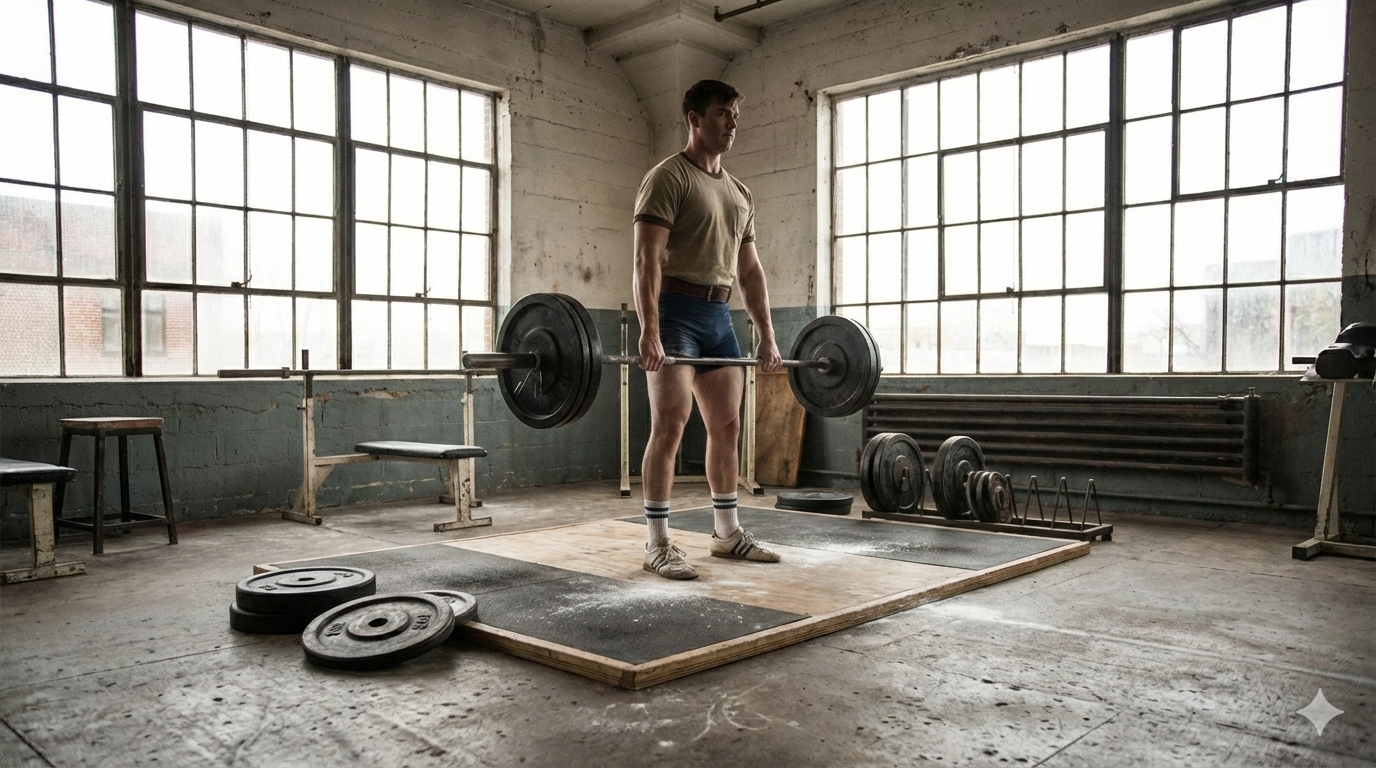
Table of Contents
What is Traditional Strength Training?
Traditional strength training is the foundation of building muscle and developing raw power. Unlike trendy workout methods that come and go, this time-tested approach focuses on progressive overload using free weights, machines, and your own body weight to systematically increase strength over time.
When you walk into any gym, you’ll see people performing squats, deadlifts, bench presses, and rows—these are the cornerstones of traditional strength training. This method isolates specific muscle groups, allowing you to focus intensely on developing strength in targeted areas. Whether you’re a beginner picking up dumbbells for the first time or an experienced lifter chasing new personal records, traditional strength training provides a clear, structured path to getting stronger.
Traditional Strength Training Benefits
The benefits of traditional strength training extend far beyond just building bigger muscles. When you commit to a consistent program, you’re investing in your long-term health and fitness in ways that touch nearly every aspect of your physical wellbeing.
Build Serious Muscle Mass
Traditional strength training excels at hypertrophy—the technical term for muscle growth. By focusing on specific muscle groups with controlled movements and progressive resistance, you create the perfect environment for your muscles to grow. This isn’t just about aesthetics; more muscle mass means a higher resting metabolic rate, which helps you burn more calories even when you’re not working out.
Increase Bone Density
As we age, bone density naturally decreases, but regular strength training can slow or even reverse this process. The stress you place on your bones during resistance exercises signals your body to strengthen them, reducing your risk of osteoporosis and fractures later in life.
Boost Metabolism and Fat Loss
Each pound of muscle you build burns additional calories throughout the day. Traditional strength training creates this metabolic advantage while also creating an “afterburn effect” where your body continues burning extra calories for hours after your workout ends.
Improve Joint Health and Stability
Contrary to old myths, proper strength training actually protects your joints. By strengthening the muscles around your joints and improving your movement patterns, you reduce wear and tear and decrease your risk of injury in daily activities.
Mental Health Benefits
There’s something deeply satisfying about seeing your numbers go up—lifting heavier weights or completing more reps than last week. This tangible progress builds confidence and provides a mental boost that carries over into other areas of your life.
Traditional Strength Training Calories Burned
One of the most common questions people ask is: how many calories does traditional strength training actually burn? The answer depends on several factors, but understanding the calorie-burning potential can help you plan your fitness goals more effectively.
On average, a person weighing 155 pounds burns approximately 112 calories during 30 minutes of general weight lifting. A 185-pound person burns around 133 calories in the same timeframe. However, these numbers can vary significantly based on the intensity of your workout, the exercises you perform, and your individual metabolism.
Heavy compound movements like squats and deadlifts burn more calories than isolation exercises like bicep curls. The more muscle groups you engage and the more intense your effort, the higher your calorie expenditure climbs.
Traditional Strength Training Calories Burned Calculator
While basic estimates give you a starting point, a traditional strength training calories burned calculator provides more personalized results. These calculators typically factor in your weight, workout duration, exercise intensity, and specific movements performed.
To get the most accurate estimate, track these key variables: your body weight, exact workout duration, rest periods between sets, and the intensity level of your training session. Many fitness apps and online calculators can help you determine your specific calorie burn, making it easier to align your nutrition with your training goals.
Remember that the calorie burn doesn’t stop when your workout ends. Traditional strength training creates an elevated metabolic state that can last for 24 to 48 hours post-workout, meaning you continue burning additional calories long after you’ve left the gym.
Functional Strength Training vs Traditional Strength Training
The fitness world often presents functional training and traditional strength training as opposing approaches, but the reality is more nuanced. Understanding both methods helps you make informed decisions about your training.
The Core Differences
Traditional strength training typically isolates specific muscles or muscle groups. You might do leg extensions to target your quadriceps or bicep curls to work your arms. The focus is on building maximum strength in individual muscles through controlled, often linear movements.
Functional strength training, on the other hand, emphasizes multi-joint movements that mimic real-life activities. Exercises like kettlebell swings, medicine ball throws, and loaded carries engage multiple muscle groups simultaneously while challenging your balance and coordination.
Functional vs Traditional Strength Training Calories Burned
Functional training often burns slightly more calories during the workout itself because it involves more total-body movements and typically includes less rest between exercises. A 30-minute functional training session might burn 150-200 calories for a 155-pound person, compared to 112 calories for traditional weight lifting.
However, traditional strength training’s advantage lies in building more muscle mass over time, which increases your daily calorie burn even at rest. For pure fat loss, combining both approaches or choosing based on your specific goals often works best.
Which One Should You Choose?
You don’t have to choose exclusively. Many successful training programs incorporate elements of both. Traditional strength training builds the foundation of raw strength and muscle, while functional training improves how you apply that strength in real-world situations. Athletes often use traditional strength training in the off-season to build muscle and power, then shift toward more functional training as their competitive season approaches.
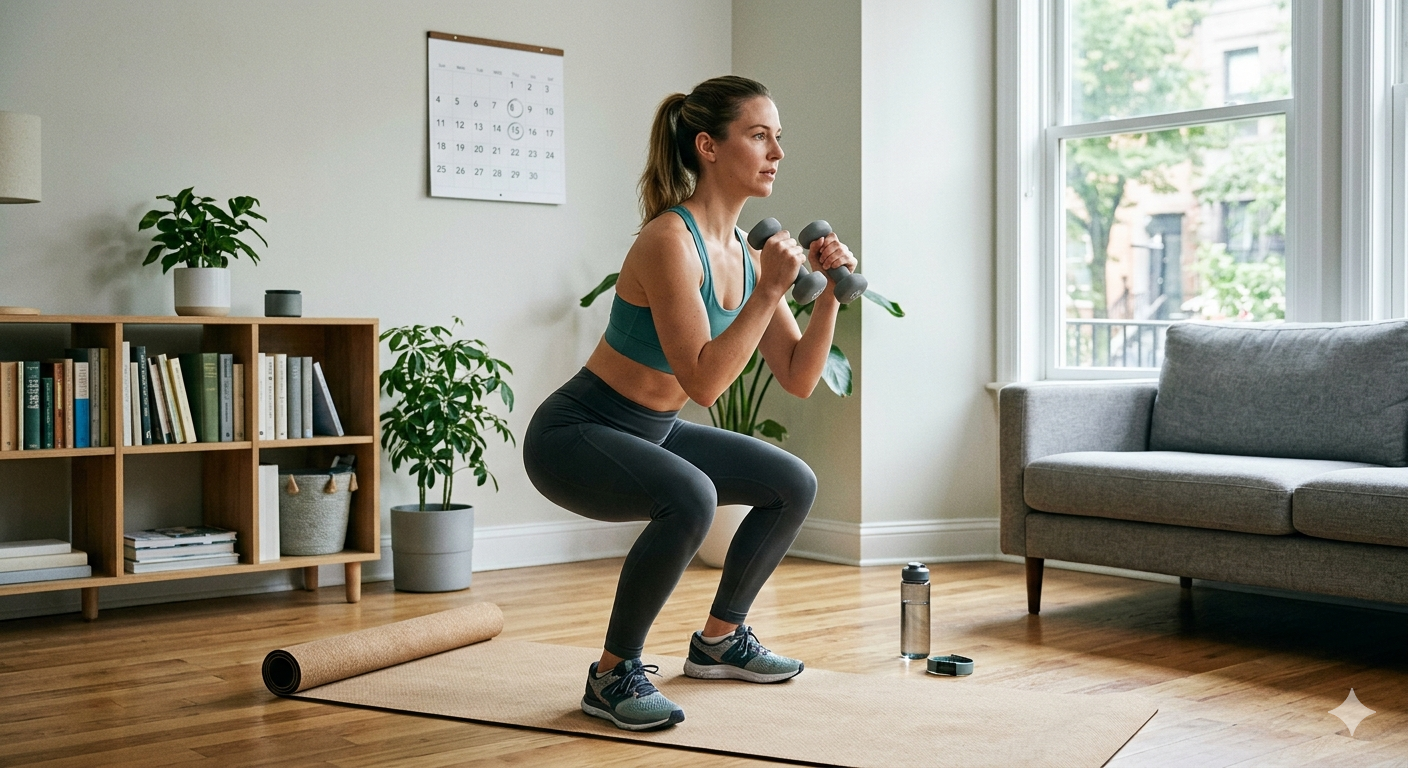
Traditional Strength Training at Home
You don’t need an expensive gym membership or a garage full of equipment to benefit from traditional strength training. With some creativity and minimal investment, you can build an effective home training program.
Essential Equipment for Home Training
Start with these basics: a set of adjustable dumbbells or resistance bands, a sturdy bench or chair, and a pull-up bar if possible. These simple tools open up hundreds of exercise possibilities. As you progress, you might add a barbell set, but many people achieve excellent results with just dumbbells and bodyweight exercises.
Effective Home Workout Structure
A well-rounded traditional strength training program at home should target all major muscle groups twice per week. Structure your week with an upper body day, a lower body day, and a full-body day, with rest days in between.
Sample exercises you can do at home include: dumbbell goblet squats, push-ups (elevated for more challenge), dumbbell rows, lunges, dumbbell shoulder presses, and glute bridges. Each exercise can be progressively overloaded by adding weight, increasing reps, or slowing down the tempo.
Creating Progressive Overload at Home
The key to continued progress is progressive overload—gradually increasing the demands on your muscles. At home, you can achieve this by increasing weight, adding reps, decreasing rest time, or using more challenging variations of exercises. Keep a simple training log to track your progress and ensure you’re consistently pushing yourself forward.
Getting Started: Your Action Plan
Beginning traditional strength training doesn’t have to be complicated. Start with two to three sessions per week, focusing on mastering basic movement patterns before adding significant weight. Each workout should include a warm-up, 4-6 main exercises, and a cool-down.
Focus on the fundamental movement patterns: squat, hinge (like deadlifts), push, pull, and carry. These patterns form the foundation of all strength training and provide the most bang for your buck in terms of muscle building and strength gains.
Listen to your body and prioritize proper form over lifting heavy weights. Poor form leads to injuries, while perfect practice with lighter weights builds the foundation for lifting heavier loads safely down the road.
Traditional Strength Training
FAQs
How often should I do traditional strength training? Most people see excellent results with 3-4 sessions per week. Beginners should start with 2-3 sessions, allowing at least one rest day between workouts to let muscles recover and grow.
Can I lose weight with traditional strength training alone? Yes, but combining strength training with a proper nutrition plan delivers the best results. Traditional strength training builds calorie-burning muscle and creates a metabolic boost, but you still need to manage your calorie intake.
How long until I see results from traditional strength training? You’ll typically notice strength gains within 2-3 weeks, with visible muscle changes appearing around the 6-8 week mark. Consistency is crucial—stick with your program for at least 12 weeks before making major changes.
Is traditional strength training safe for beginners? Absolutely. Start with bodyweight exercises or light weights, focus on learning proper form, and gradually increase intensity. Consider working with a qualified trainer for your first few sessions to establish good habits.
What’s better for weight loss: traditional or functional training? Both can support weight loss effectively. Traditional strength training builds more muscle mass for long-term metabolic benefits, while functional training often burns more calories during the workout. The best choice is the one you’ll stick with consistently.
Do I need supplements for traditional strength training? No, supplements aren’t necessary for success. Focus on eating adequate protein (0.7-1 gram per pound of body weight), staying hydrated, and getting enough sleep. These fundamentals matter far more than any supplement.

Faisal is the founder and content creator of The Workout Haven, a fitness and wellness blog focused on home workouts, weight loss, strength training, yoga, and healthy lifestyle habits. He creates easy-to-follow, beginner-friendly fitness guides backed by research, practical experience, and real-world application. Faisal’s goal is to help people stay active, build strength, and improve overall health—no gym or expensive equipment required.