
30-Day Gut Healing Diet Plan Guide

Table of Contents
Your gut does more than just digest food—it influences your immune system, mood, energy levels, and even your skin. If you’ve been dealing with bloating, irregular digestion, or low energy, a 30-Day Gut Healing Diet might be exactly what you need to reset and restore your digestive health.
This comprehensive guide will walk you through everything you need to know about following a gut-healing diet plan, including meal ideas, practical tips, and answers to your most pressing questions.
What Is a Gut Healing Diet?
A gut-healing diet focuses on consuming foods that reduce inflammation, support beneficial bacteria, and repair the intestinal lining. By eliminating inflammatory triggers and incorporating nutrient-dense, whole foods, you give your digestive system the chance to heal and function optimally.
The healthy gut diet plan emphasizes:
- Whole, unprocessed foods
- Anti-inflammatory ingredients
- Probiotic- and prebiotic-rich foods
- Plenty of fiber and hydration
Why Follow a 30-Day Gut Healing Diet Plan?
Committing to 30 days allows your body enough time to experience meaningful changes. While you might notice improvements within the first week, a full month gives your gut microbiome time to rebalance and your intestinal lining time to repair.
Benefits you can expect include:
- Reduced bloating and gas
- Improved bowel regularity
- Better nutrient absorption
- Enhanced energy levels
- Clearer skin
- Improved mood and mental clarity
- Strengthened immune function
The Foundation of Your Gut Healing Diet Plan
Foods to Include
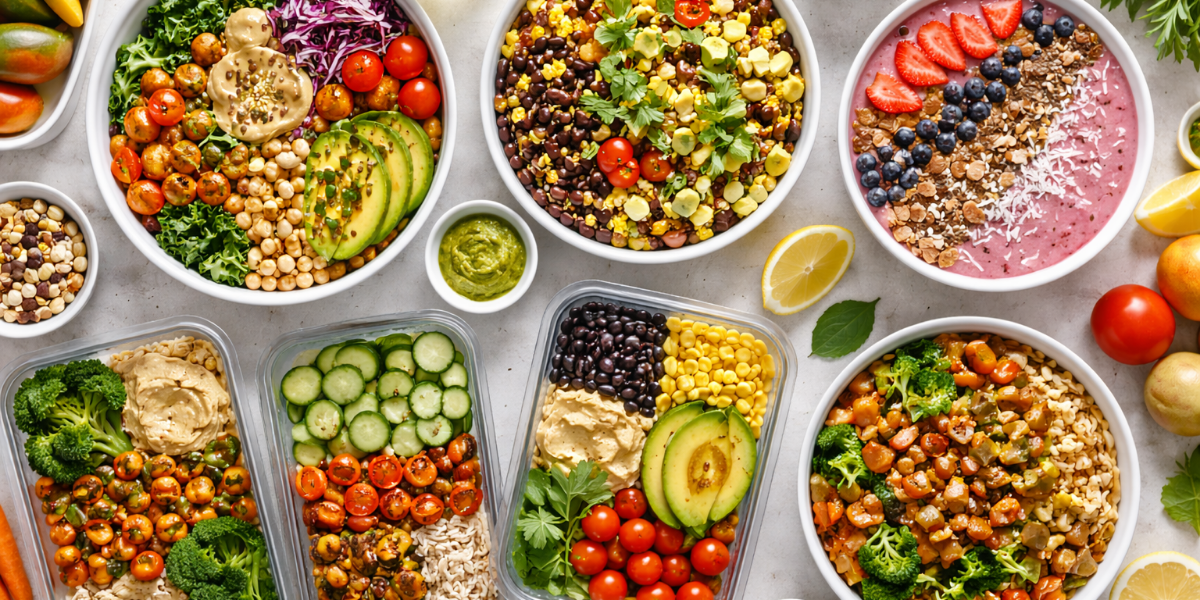
Fiber-Rich Vegetables: Leafy greens, broccoli, Brussels sprouts, carrots, and sweet potatoes provide essential fiber and nutrients that feed good bacteria.
Fermented Foods: Sauerkraut, kimchi, kefir, and yogurt with live cultures introduce beneficial probiotics to your gut.
Healthy Fats: Avocados, olive oil, nuts, and seeds reduce inflammation and support cellular health.
Lean Proteins: Wild-caught fish, organic chicken, turkey, and plant-based proteins like lentils and chickpeas.
Bone Broth: Rich in collagen and amino acids that help repair the gut lining.
Prebiotic Foods: Garlic, onions, asparagus, and bananas feed your beneficial gut bacteria.
Foods to Avoid
- Processed foods and refined sugars
- Gluten and conventional dairy (at least initially)
- Artificial sweeteners
- Alcohol and excessive caffeine
- Fried and heavily processed foods
- Common inflammatory oils like vegetable and canola oil
Your 7-Day Meal Plan for Healthy Gut
Starting can feel overwhelming, so here’s a 7-day meal plan for healthy gut restoration to guide your first week:
Day 1-2: Focus on simple, easily digestible foods like bone broth, steamed vegetables, and grilled chicken.
Day 3-4: Introduce fermented foods with your meals—add sauerkraut to your salad or enjoy kefir with breakfast.
Day 5-6: Incorporate more variety with colorful vegetables, wild-caught salmon, and healthy fats like avocado.
Day 7: Experiment with new recipes that include prebiotic-rich foods like roasted garlic and caramelized onions.
Each day should include three balanced meals and optional healthy snacks like raw vegetables with hummus or a small handful of nuts.
Free Gut Health Meal Plan: Week-by-Week Breakdown
Week 1: The Foundation
Begin with gentle, anti-inflammatory foods. Your body is adjusting to the elimination of processed foods and potential triggers. Stay hydrated and prioritize sleep.
Week 2: Building Momentum
Introduce more fermented foods and increase vegetable variety. You should start noticing reduced bloating and improved energy.
Week 3: Deepening Healing
Your gut microbiome is beginning to shift. Continue with your healthy eating patterns, and consider adding new probiotic-rich foods you haven’t tried yet.
Week 4: Sustainable Habits
By now, healthy eating should feel more natural. Focus on meal prep strategies that will help you maintain these habits long-term.
The 3-Day Gut Cleanse Options
Sometimes you need a quick reset. While the full 30-Day Gut Healing Diet is ideal, a shorter cleanse can still provide benefits.
3-Day Gut Cleanse Meal Plan
A 3-day gut cleanse at home focuses on simplicity and elimination of common irritants:
Morning: Start with warm lemon water, followed by a green smoothie with spinach, cucumber, ginger, and chia seeds.
Lunch: Large salad with mixed greens, grilled chicken or chickpeas, and olive oil dressing.
Dinner: Steamed vegetables with baked fish and a side of fermented vegetables.
Snacks: Fresh fruit, raw vegetables, or a small portion of nuts.
3-Day Cleanse to Lose Belly Fat
While a 3-day cleanse to lose belly fat shouldn’t be your only goal, reducing inflammation and bloating naturally leads to a flatter stomach. The 3-day gut cleanse diet helps by:
- Eliminating water retention from inflammatory foods
- Reducing gas and bloating
- Supporting healthy digestion
- Jumpstarting better eating habits
21-Day Meal Plan Free: Extended Healing
If 30 days feels too long to commit initially, a 21-day meal plan-free approach can still deliver significant results. Three weeks is enough time to break old habits, establish new routines, and experience noticeable improvements in how you feel.
The key is consistency—stick with whole foods, avoid processed items, and listen to your body’s signals.
Practical Tips for Success
Meal Prep: Dedicate a few hours weekly to prepare vegetables, cook proteins, and portion out snacks.
Stay Hydrated: Aim for at least eight glasses of water daily to support digestion and detoxification.
Read Labels: Hidden sugars and additives lurk in unexpected places. Choose whole foods whenever possible.
Listen to Your Body: Everyone’s gut is different. Pay attention to which foods make you feel best.
Be Patient: Healing takes time. Don’t get discouraged if you don’t see immediate results.
Frequently Asked Questions (FAQs)
Q: Can I lose weight on a gut-healing diet? A: While weight loss isn’t the primary goal, many people naturally lose weight as inflammation decreases, digestion improves, and they eliminate processed foods. A healthier gut often leads to better metabolism and reduced cravings.
Q: Is the 30-Day Gut Healing Diet expensive? A: Not necessarily. Focus on seasonal produce, buy in bulk, and prioritize whole foods over expensive supplements or specialty items. A healthy gut diet plan can be budget-friendly with smart shopping.
Q: Can I eat out while following this plan? A: Yes, but it requires planning. Choose restaurants with fresh, whole-food options. Opt for grilled proteins, steamed vegetables, and salads with olive oil dressing. Don’t hesitate to ask about ingredients.
Q: Will I feel worse before I feel better? A: Some people experience temporary symptoms like headaches or fatigue during the first few days as their body adjusts and detoxifies. This is normal and typically passes within a week.
Q: Do I need to take probiotics? A: While supplements can help, focusing on probiotic-rich foods like yogurt, kefir, and fermented vegetables is often sufficient. Consult with a healthcare provider for personalized advice.
Q: What happens after 30 days? A: After completing your gut healing diet plan, you can slowly reintroduce eliminated foods one at a time to identify any triggers. Many people choose to maintain the healthy eating habits they’ve established.
Final Thoughts
Embarking on a 30-day gut healing diet plan is one of the best investments you can make in your overall health. Whether you start with a 3-day gut cleanse at home or commit to the full month, every step toward better gut health pays dividends in how you feel daily.
Your gut is the foundation of wellness—treat it with care, feed it properly, and watch as your energy, mood, and health transform. Start today, and give your body the nourishment it deserves.

Faisal is the founder and content creator of The Workout Haven, a fitness and wellness blog focused on home workouts, weight loss, strength training, yoga, and healthy lifestyle habits. He creates easy-to-follow, beginner-friendly fitness guides backed by research, practical experience, and real-world application. Faisal’s goal is to help people stay active, build strength, and improve overall health—no gym or expensive equipment required.