Yoga Stretches for Flexibility for Beginners | Yoga 2026
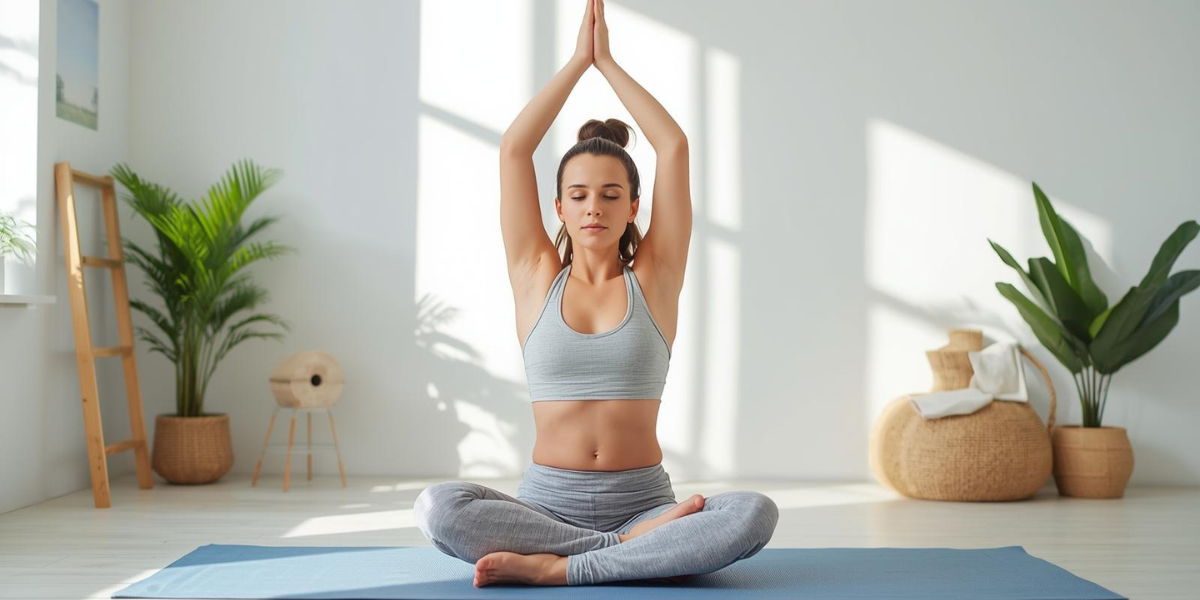
Table of Contents
Starting a yoga practice can feel overwhelming, especially when you’re not naturally flexible. I remember my first yoga class—I couldn’t touch my toes, and watching others fold effortlessly into poses made me wonder if yoga was even for me. But here’s what I learned: flexibility isn’t a prerequisite for yoga; it’s a result of it. If you’re looking to improve your range of motion, reduce muscle tension, or simply feel more comfortable in your body, yoga stretches for flexibility are the perfect place to start.
Why Yoga for Stretching and Flexibility Works
Unlike static stretching, where you hold a position passively, yoga combines breathwork with movement, which helps your muscles relax and lengthen more effectively. When you’re stressed or sitting at a desk all day, your muscles tighten up. Yoga counteracts this by calming your nervous system while gently encouraging your body to open up.
The beauty of yoga flexibility for beginners is that it meets you where you are. You don’t need to be able to do the splits or touch your head to your knees. Everybody is different, and progress looks different for everyone. Some people notice changes in a few weeks, while others take months—and that’s completely normal.
Getting Started: Yoga Stretches for Flexibility for Beginners at Home
You don’t need a fancy studio membership or expensive equipment to begin. One of the best things about yoga is that you can practice it anywhere. All you really need is a comfortable space, a yoga mat (or even a towel), and loose clothing that lets you move freely.
When you’re just starting, focus on consistency over intensity. It’s better to do 15 minutes of gentle stretching every day than to push yourself too hard once a week and feel discouraged. Your body responds to regular practice, building flexibility gradually and safely.
The 7 Basic Yoga Poses for Building Flexibility
If you’re wondering what the 7 basic yoga poses are that can transform your flexibility, here’s a foundation that targets your entire body:
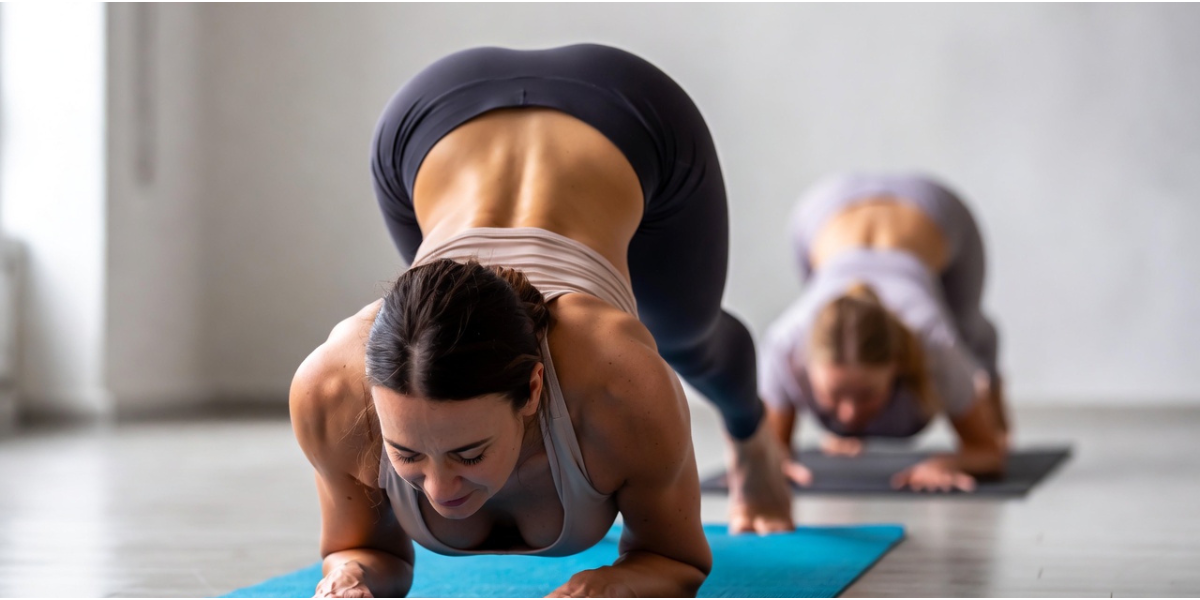
1. Child’s Pose (Balasana) This resting pose gently stretches your hips, thighs, and lower back. Kneel on the floor, sit back on your heels, and fold forward with your arms extended. It’s incredibly calming and perfect for beginners.
2. Cat-Cow Pose (Marjaryasana-Bitilasana) Moving between arching and rounding your spine warms up your back and improves spinal flexibility. On your hands and knees, alternate between dropping your belly and lifting your head (cow), then rounding your back and tucking your chin (cat).
3. Downward-Facing Dog (Adho Mukha Svanasana) This foundational pose stretches your hamstrings, calves, shoulders, and spine all at once. From hands and knees, lift your hips up and back, forming an inverted V-shape with your body.
4. Standing Forward Fold (Uttanasana) Stand with feet hip-width apart and fold forward from your hips, letting your head hang heavy. This targets tight hamstrings and lower back muscles. Bend your knees as much as you need.
5. Cobra Pose (Bhujangasana) Lying on your stomach, press your hands into the floor and lift your chest, stretching the front of your body and strengthening your back. This counteracts the forward hunching many of us do throughout the day.
6. Seated Forward Bend (Paschimottanasana) Sit with legs extended and fold forward over your thighs. This deep stretch works your entire back body—hamstrings, calves, and spine.
7. Pigeon Pose (Eka Pada Rajakapotasana) One of the most effective hip openers, pigeon pose releases tension in your hips and glutes. Bring one knee forward and extend the other leg back, folding over your front leg.
Full Body Yoga for Beginners: A Simple Daily Sequence
Creating a full-body yoga for beginners routine doesn’t have to be complicated. Here’s a 20-minute flow you can do every morning or evening:
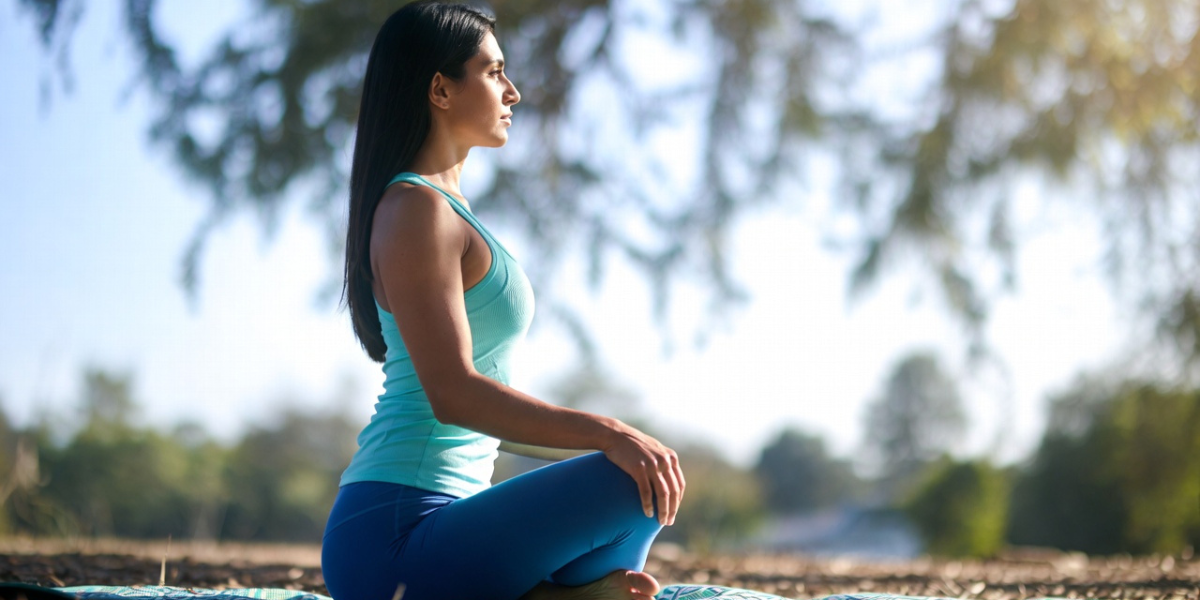
Start with 5 minutes of gentle breathing in a comfortable seated position. This helps you transition from your busy day into practice mode. Then move through Cat-Cow for 2 minutes to wake up your spine. Flow into Downward-Facing Dog and hold for five breaths, pedaling your feet to stretch your calves.
Step one foot forward into a low lunge, holding for five breaths on each side to open your hip flexors. Come into Standing Forward Fold and let gravity do the work for 10 breaths. Move down to Cobra Pose for three rounds, then transition into Child’s Pose for rest.
Finish with Pigeon Pose on both sides, holding for at least one minute each, and end in a Seated Forward Bend. Close your practice with 2 minutes lying flat on your back in Savasana, allowing everything to settle.
Deep Yoga Stretches for Stubborn Tightness
When you’ve been practicing for a few weeks and want to go deeper, deep yoga stretches help you access areas that hold chronic tension. These poses require patience and shouldn’t be forced.
Reclined Pigeon (Thread the Needle): Lying on your back, cross one ankle over the opposite knee and draw your legs toward your chest. This is gentler on your knees than traditional Pigeon while still opening your hips deeply.
Lizard Pose: From a low lunge, walk your front foot to the outer edge of your mat and lower onto your forearms if possible. This intense hip and groin stretch releases tightness from sitting.
Supine Spinal Twist: Lying on your back, draw one knee across your body while keeping your shoulders grounded. This wrings out tension in your spine and stretches your outer hips and lower back.
Yin Yoga approach: Consider holding these poses for 3-5 minutes instead of just a few breaths. This longer duration allows your connective tissue to release in ways that shorter holds don’t achieve.
Yoga Flow for Flexibility: Moving With Your Breath
A yoga flow for flexibility links poses together in a continuous sequence, building heat and encouraging your body to open up. Unlike holding static stretches, flowing keeps you engaged and makes the practice feel more dynamic.
Try this simple flow: Start in Mountain Pose, inhale your arms overhead, exhale into Forward Fold, inhale to a flat back halfway lift, exhale to step back into Downward Dog, inhale forward to Plank, exhale lower to your belly, inhale into Cobra, exhale back to Downward Dog. Step forward and reverse the sequence back to Mountain Pose. Repeat this 5-10 times, moving slowly and syncing each movement with your breath.
The key is not to rush. When you move too quickly, your muscles don’t have time to respond. Let your breath guide you—inhale as you expand or lengthen, exhale as you fold or twist.
Yoga Stretches for Everyday: Building a Sustainable Practice
The most effective yoga stretches for everyday practice are the ones you’ll actually do. Rather than trying to master complicated poses, focus on simple movements that address your specific tight spots.
If you sit at a desk all day, prioritize hip flexor stretches like Low Lunge and shoulder openers like Thread the Needle (the arm variation, not the hip stretch). If you’re on your feet constantly, spend extra time on your hamstrings and calves with Forward Folds and Downward Dog.
Listen to your body each day. Some mornings you’ll feel open and energized; other days you’ll feel stiff and resistant. Adjust your practice accordingly. This isn’t about pushing through pain—it’s about developing awareness and responding with compassion.
Common Questions About Starting Your Flexibility Journey
Which yoga is best for flexibility for beginners?
Hatha yoga and Yin yoga are ideal for beginners focused on flexibility. Hatha classes move at a slower pace, giving you time to understand each pose and how it feels in your body. Yin yoga involves holding passive stretches for several minutes, which targets your deeper connective tissues and dramatically improves flexibility over time. Vinyasa can also be good once you’re comfortable with basic poses, as the flowing nature keeps your muscles warm and pliable.
How to stretch for flexibility for beginners?
Start with gentle, consistent practice rather than aggressive stretching. Warm up your body first with light movement or a few rounds of Cat-Cow. Never bounce in a stretch—move slowly and breathe deeply. Hold each stretch for at least 30 seconds to give your muscles time to relax and lengthen. Focus on major muscle groups: hamstrings, hips, shoulders, and spine. Most importantly, stretch regularly—even 10 minutes daily will yield better results than one long session per week.
Is 20 minutes of stretching a day enough?
Absolutely. Twenty minutes of daily stretching is more than enough to see significant improvements in flexibility, especially when you’re consistent. In fact, shorter daily sessions are often more effective than longer, infrequent ones because your body adapts through repetition. If you only have 20 minutes, focus on quality over quantity—move mindfully, breathe deeply, and target the areas that feel tightest. Over time, you can extend your practice if you want, but 20 minutes is a solid foundation that fits into most schedules.
Tips for Success on Your Flexibility Journey
Be patient with yourself. Flexibility develops slowly, and comparing yourself to others only creates frustration. Your body has its own timeline, influenced by genetics, age, activity level, and past injuries.
Warm up first. Never stretch cold muscles. Do a few minutes of gentle movement—walk around, do arm circles, or move through Cat-Cow—before attempting deeper stretches.
Use props without shame. Blocks, straps, bolsters, and blankets aren’t crutches—they’re tools that help you maintain proper alignment and prevent injury. A block under your hand in Triangle Pose is better than straining and potentially hurting yourself.
Breathe into tight spots. When you encounter resistance in a pose, breathe deeply into that area. Visualize your breath creating space and softness. Holding your breath tenses your muscles, while deep breathing signals your nervous system to relax.
Rest when you need it. If a pose feels too intense, back off or come into Child’s Pose. Pushing too hard can lead to injury and setback. Yoga is about building awareness and respecting your limits.
Making It Stick: Creating Your Home Practice
The hardest part about yoga stretches for flexibility for beginners at home is actually rolling out your mat. Life gets busy, and it’s easy to skip practice when no one’s holding you accountable.
Set yourself up for success by choosing a specific time each day—first thing in the morning or right before bed often works best. Keep your mat visible instead of tucked away in a closet. Even seeing it reminds you of your intention.
Start small. If 20 minutes feels overwhelming, begin with just 5-10 minutes. Once that becomes a habit, gradually increase. Missing a day isn’t failure—just return to your mat the next day without guilt.
Consider following along with videos at first if you’re unsure about proper alignment. There are countless free resources online designed specifically for beginners. As you become more confident, you’ll naturally develop your own intuitive practice.
Your Flexibility Journey Starts Now
Improving your flexibility through yoga isn’t about achieving perfect poses or becoming a contortionist. It’s about feeling better in your body, moving with more ease, and reducing the aches and stiffness that come from modern life.
Every time you step onto your mat, you’re investing in your long-term health and wellbeing. Your future self—the one who can bend down to tie shoes without groaning, reach overhead without strain, or sit comfortably on the floor—will thank you for starting today.
Begin with the basics, practice consistently, breathe deeply, and trust the process. Flexibility will come, one gentle stretch at a time.

Faisal is the founder and content creator of The Workout Haven, a fitness and wellness blog focused on home workouts, weight loss, strength training, yoga, and healthy lifestyle habits. He creates easy-to-follow, beginner-friendly fitness guides backed by research, practical experience, and real-world application. Faisal’s goal is to help people stay active, build strength, and improve overall health—no gym or expensive equipment required.