

When it comes to fitness, your biggest focus should be on practice
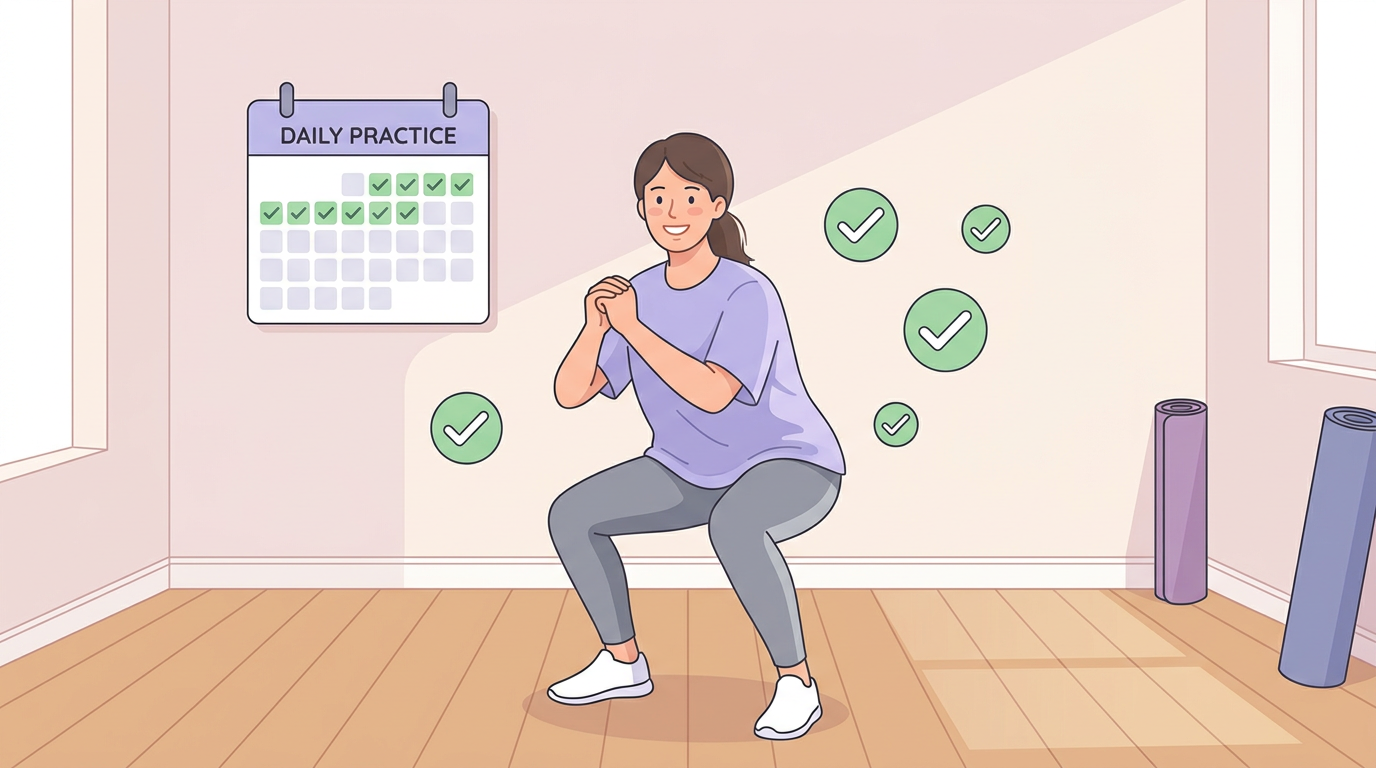
Table of Contents
Introduction
Many people spend a lot of time learning about fitness. They watch videos, read advice, and make detailed workout plans. But real change does not come from theory alone. The real fitness progress comes from practice. Moving your body regularly and repeating simple exercises is what actually builds strength and improves health. In this post, we will look at why practice is the most important part of fitness.
Why Practice is More Important Than Fitness Theory
Many people spend hours and hours learning about fitness. They watch videos, follow experts, and create detailed workout plans. Yet their bodies don’t change much, because real progress doesn’t come from theory alone.
Real progress comes from practice. Moving your body regularly, even in simple ways, actually builds strength, improves health, and changes the way you feel every day.
In this post, we’ll look at why practice is the most important part of fitness and how small, consistent actions over time can transform your body.
Knowledge vs. Practice
Today, it’s easy to learn about exercise. You can find thousands of YouTube videos, articles, and programs for any goal. Many people understand what they “should” be doing, but they still struggle to do it consistently.
Knowledge is valuable because it helps you exercise safely and choose smart methods. But knowledge alone doesn’t change your body. Reading about push-ups won’t make you stronger; just doing them will.
When it comes to fitness, results come from action. You need some basic knowledge, but without consistent practice, all the information remains just theory, and your body stays the same.
Small, consistent steps
You don’t need long or extreme workouts to improve your fitness. What matters most is what you do consistently. Small steps repeated day after day produce powerful results over time.
Here are some simple examples of daily practice:
- Walking for 10-20 minutes every day
- Doing light stretching in the morning or evening
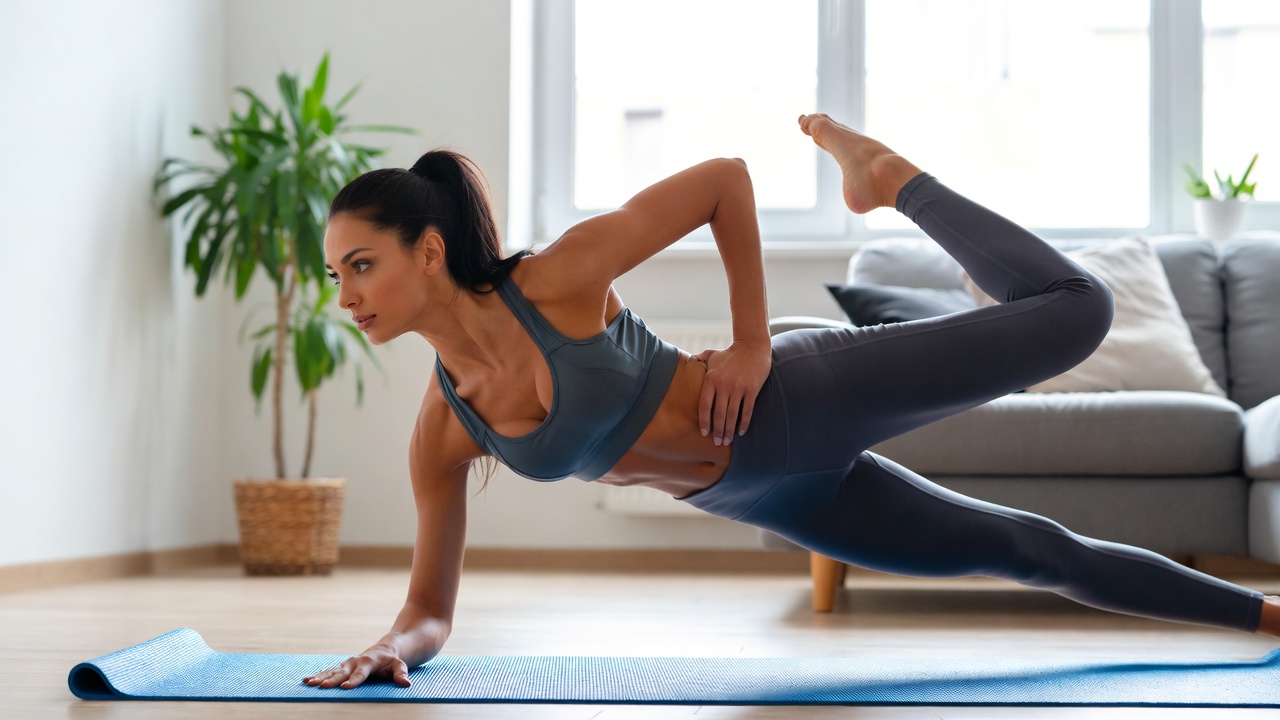
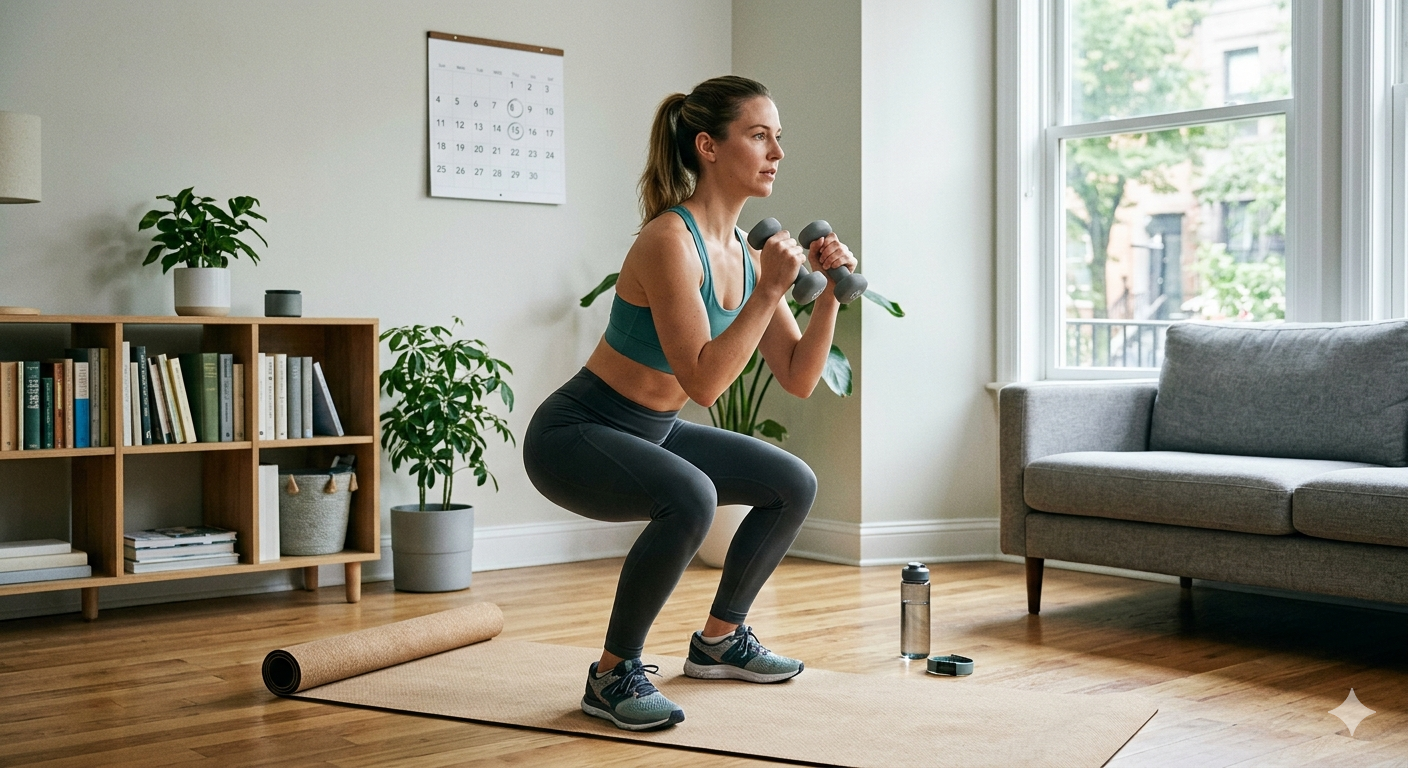
- Practice basic bodyweight exercises like squats, push-ups, or gentle core work
- Taking the stairs instead of the elevator
- Getting up and moving after sitting for long periods
These habits may seem simple, but they add up. Over weeks and months, they help you build strength, improve mobility, and keep your body active. In the long run, consistent small steps usually outperform doing one intense workout and then stopping for a week.
How Your Body Learns
Your body doesn’t learn from theory; it learns from movement. You can understand the perfect shape in your mind, but your muscles and joints can only adapt when you actually move.
The more you exercise:
- Your strength increases
- Your flexibility and mobility improve
- Pain may decrease, especially back and joint pain
With regular exercise, your muscles, joints, and posture gradually change. Your balance improves, everyday tasks feel easier, and your body becomes more resilient. This process happens gradually, but it never starts without exercise.
Why exercise is more important as you age
Exercise becomes more important as you age. Without enough movement, the body naturally loses strength, flexibility, and balance. This process can start earlier than many people realize.
For those in their 50s, 60s, or 70s and older, a lack of regular exercise can quickly lead to weakness, stiffness, and an increased risk of falls. The good news is that simple, gentle exercise can make a big difference.
Light strength work, daily walking, and simple stretching can help:
- Maintain mobility
- Improve balance and coordination
- Support heart and joint health
- Help keep you more independent in daily life
Over time, these small habits can help older adults stay active, confident, and physically strong, even without intense exercise.
How to Start Exercising Today
You don’t need a perfect plan to get started. You just need one simple step that you can repeat most days. Here are some ideas you can start now:
- Take a 10-minute walk after lunch or dinner
- Do 5-10 squats and 5-10 wall push-ups every day
- If you sit a lot, set a timer to stand up and stretch every 60 minutes
Choose a gentle routine for the morning or evening and repeat it throughout the week
Start small enough that you can’t say no. Once the habit feels natural, you can gradually increase the time or intensity.
Conclusion
Fitness doesn’t have to be complicated. The most important thing is not how much you know, but how often you exercise. You don’t have to understand everything about training to start moving.
Even with simple exercises and basic knowledge, consistent practice can make a real difference. If you move your body regularly and keep moving, your strength, mobility, and overall health will gradually improve. Over time, those small daily efforts add up to lasting results.

Faisal is the founder and content creator of The Workout Haven, a fitness and wellness blog focused on home workouts, weight loss, strength training, yoga, and healthy lifestyle habits. He creates easy-to-follow, beginner-friendly fitness guides backed by research, practical experience, and real-world application. Faisal’s goal is to help people stay active, build strength, and improve overall health—no gym or expensive equipment required.