
Arm Workout Without Weights
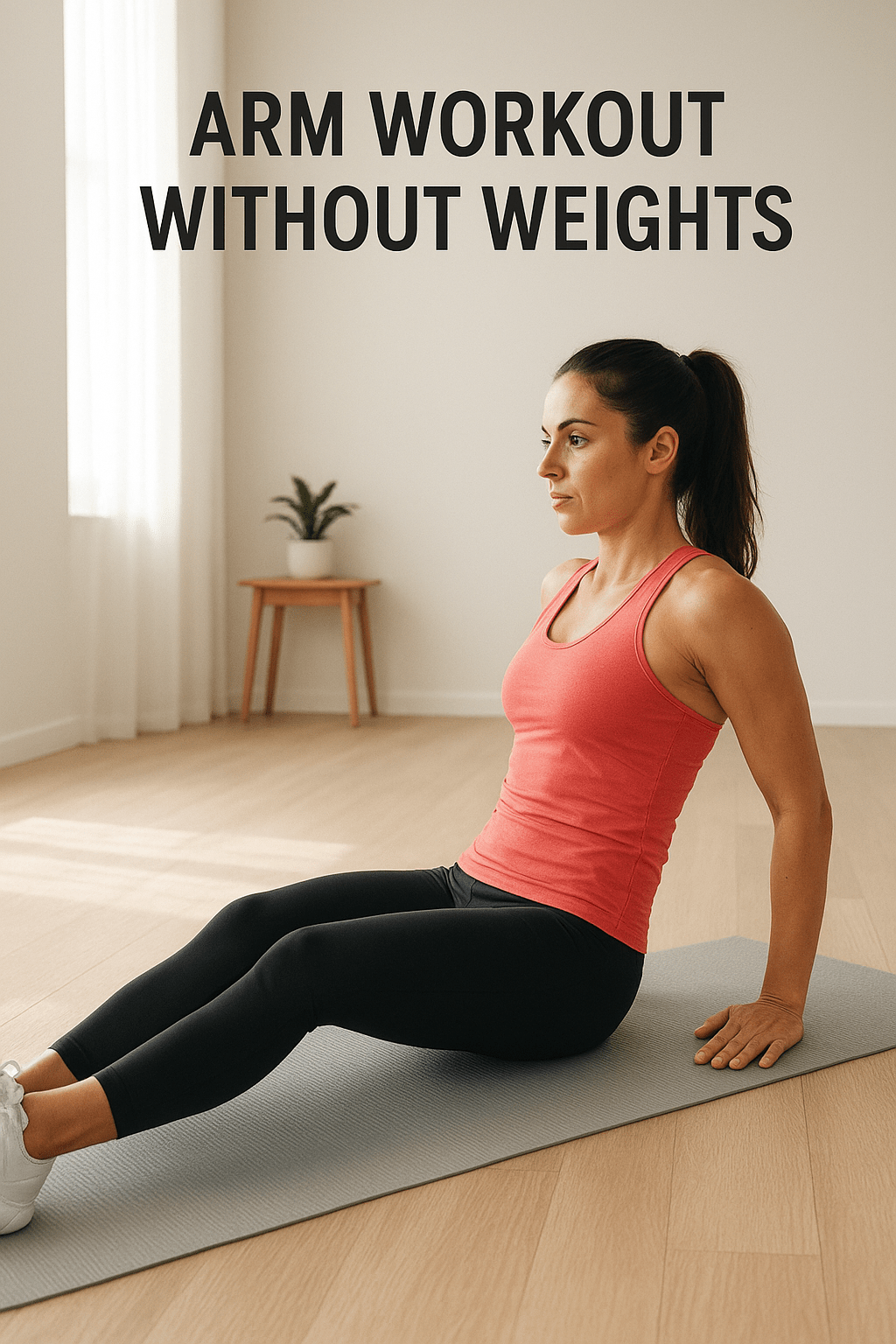
Building Strong Arms Without Equipment
Many fitness enthusiasts believe that developing toned, powerful arms requires expensive gym memberships and specialized equipment. This misconception prevents countless people from starting their strength journey. The reality proves far more encouraging: you can build impressive arm strength and muscle definition using only your bodyweight and commitment to consistency. This comprehensive guide addresses common questions and provides a practical step-by-step routine you can implement immediately in your home.
Understanding Arm Muscles and Bodyweight Training
Identifying Target Muscles
While biceps and triceps typically dominate arm-training discussions, effective bodyweight routines engage a broader muscular system. Shoulders, or deltoids, provide stability and power for lifting movements. Your forearms develop grip strength essential for daily tasks and advanced exercises. Your chest and back muscles support arm movements, enabling compound exercises that deliver superior results compared to isolated movements.
The Bodyweight Training Reality
Your muscles don’t distinguish between resistance sources—whether from dumbbells, resistance bands, or bodyweight matters less than consistent progressive challenge. The key principle involves progressive overload, gradually increasing exercise difficulty over time through multiple adaptation strategies.
Progressive Overload Without Equipment
Methods for Increasing Intensity
Adding Volume
Performing additional repetitions or completing more sets gradually increases the total work your muscles perform, driving adaptation.
Extending Time Under Tension
Deliberately slowing movement speed, particularly during the lowering phase, increases muscle activation and growth stimulus.
Exercise Progression
Advancing to more challenging variations—such as moving from standard push-ups to one-arm push-ups—dramatically increases difficulty while maintaining the same fundamental movement pattern.
Reducing Rest Periods
Decreasing recovery time between sets raises intensity and cardiovascular demand, creating metabolic stress that drives muscle development.
Complete Home Arm Workout Routine
Exercise Selection and Execution
Push-Ups: Foundation Builder
Primary muscles: Chest, shoulders, triceps
Stand in a plank position with hands positioned directly beneath your shoulders. Maintain a perfectly straight body line from head to heels as you lower your chest nearly to the floor. Press explosively back to starting position. Modify by dropping to your knees if full-body push-ups exceed your current strength level.
Diamond Push-Ups: Tricep Specialization
Primary muscles: Triceps, chest, core
Position your hands close together beneath your chest, creating a diamond shape by touching your index fingers and thumbs together. Execute a standard push-up while maintaining this hand position, which dramatically shifts emphasis toward your tricep muscles.
Tricep Dips: Chair-Based Resistance
Primary muscles: Triceps, shoulders
Sit at the edge of a sturdy chair or bench with hands gripping the edge beside your hips. Lower your body toward the floor by bending your elbows to 90 degrees. Drive through your hands to return to the starting position. This movement delivers intense tricep activation using minimal equipment.
Inchworm Walkouts: Dynamic Full-Body Engagement
Primary muscles: Shoulders, arms, core
Stand with feet together at attention. Bend forward and place your hands on the floor, then walk them forward until achieving a plank position. Walk your feet forward to meet your hands, then stand upright. This flowing movement combines mobility with strength development.
Plank Shoulder Taps: Stability and Endurance
Primary muscles: Shoulders, arms, core
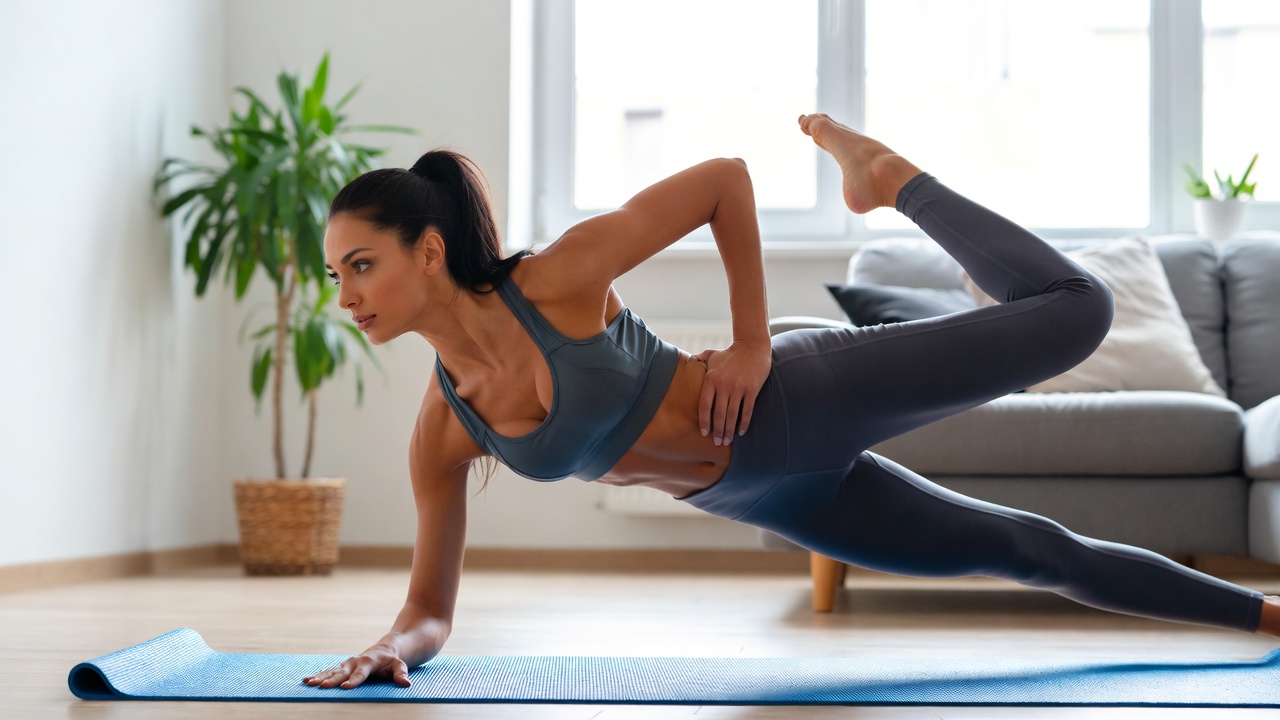
From a plank position, maintain perfect stillness in your hips and core while lifting your right hand to tap your left shoulder. Return your right hand to the floor, then repeat on the opposite side. Continuous alternation builds shoulder stability and core endurance.
Arm Circles: Shoulder Activation
Primary muscles: Shoulders, upper arms
Extend both arms directly out to your sides at shoulder height. Make small controlled circles forward for thirty seconds, then reverse direction and circle backward for another thirty seconds. This bodyweight classic activates and strengthens shoulder muscles through full ranges of motion.
Workout Structure
Complete 2–3 sets of each exercise with 30–60 seconds of rest between sets. This structure provides adequate recovery while maintaining training intensity throughout the session.
Training Frequency and Recovery
Optimal Weekly Schedule
Train your arm-focused muscles 2–3 times weekly for best results. This frequency allows adequate recovery between sessions while providing sufficient stimulus for muscle adaptation and strength development. If incorporating these movements into full-body routines, distribute arm exercises throughout your weekly schedule to avoid overtraining.
Beginner Considerations
Starting Your Journey
Bodyweight training represents an ideal entry point for beginners because it emphasizes proper form development and foundational strength building before advancing to complex variations. Begin with easier movement variations—such as knee push-ups or incline dips performed with hands elevated on a chair—and progress naturally as your capabilities improve.
Timeline for Noticeable Results
Four to Six Week Progression
Most consistent practitioners notice visible improvements within 4–6 weeks of dedicated effort combined with nutritious eating. These improvements manifest as increased muscle definition, noticeably stronger performance, and improved postural alignment with enhanced arm tone. Individual results vary significantly based on starting fitness level, dietary quality, and overall training consistency.
Advanced Progression Strategies
When Basic Movements Feel Insufficient
Once standard exercises become manageable, advance to these challenging variations:
One-Arm Push-Ups
Performing push-ups using only one arm dramatically increases difficulty and intensity, requiring substantial core stability alongside arm strength.
Decline Push-Ups
Elevating your feet on a chair or bench increases gravitational resistance, making the movement significantly more challenging than standard push-ups.
Pike Push-Ups
Position your body in an inverted V-shape during push-ups, targeting shoulders and upper chest with intense activation.
Slow Negative Repetitions
Control your descent slowly—taking 3–5 seconds to lower yourself—maximizing muscle activation and growth stimulus during the eccentric (lowering) phase.
Resistance Band Integration
Adding resistance bands to bodyweight exercises provides progressive overload without substantial financial investment, offering an excellent intermediate step before advancing to weights.
Success Strategies for Results
Fundamental Principles
Prioritize Movement Quality
Performing fewer repetitions with perfect form delivers superior results compared to high-volume training with poor technique.
Maintain Consistency
Training 2–3 sessions weekly produces reliable, measurable progress when maintained across weeks and months.
Combine Training Modalities
Pairing arm workouts with cardiovascular exercise and nutritious eating creates the lean, defined appearance that distinguishes trained arms from untrained ones.
Document Your Advancement
Track increasing repetitions, sets, or intensity variations to maintain motivation and ensure progressive challenge over time.
Achieving Arm Strength and Definition
Realistic Expectations
You absolutely can develop strong, impressive arms using exclusively bodyweight exercises. This training approach proves effective for beginners establishing foundational strength and experienced athletes seeking convenient home-based workouts. Bodyweight routines build bicep, tricep, and shoulder strength while simultaneously developing stability and muscular endurance.
Long-Term Success
Whether beginning your fitness journey or modifying your existing routine, home-based bodyweight training provides an excellent path toward stronger arms. Commit to consistency, progressively challenge yourself through intelligent exercise advancement, and you’ll experience visible and tangible improvements within weeks.
Faisal is the founder and content creator of The Workout Haven, a fitness and wellness blog focused on home workouts, weight loss, strength training, yoga, and healthy lifestyle habits. He creates easy-to-follow, beginner-friendly fitness guides backed by research, practical experience, and real-world application. Faisal’s goal is to help people stay active, build strength, and improve overall health—no gym or expensive equipment required.