
Diet and Exercise for Weight Management | Diet Plan 2026
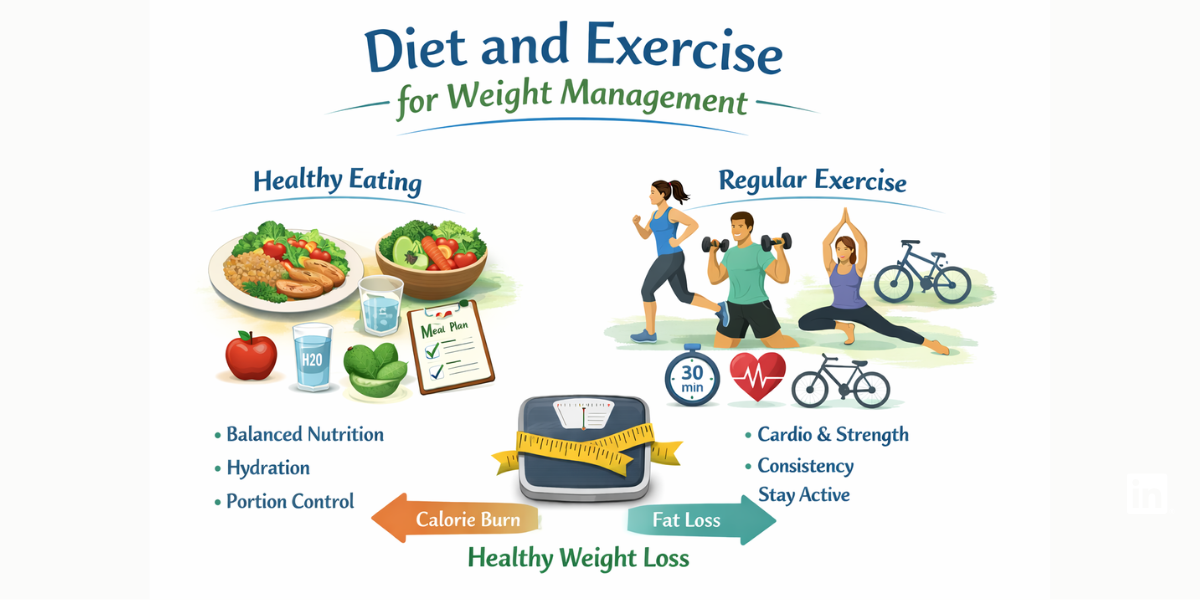
Table of Contents
Introduction
Let’s be real—managing your weight isn’t about those miracle diets or crazy workout programs that promise you’ll transform overnight. It’s about finding what actually works for you and sticking with it. The combo of diet and weight management paired with regular movement? That’s where the magic happens.
If you’re just starting or trying to figure out what’s been missing from your routine, you’re in the right place. This guide breaks down everything you need to know about exercise for weight management and eating right, without all the confusing jargon or impossible standards. Just practical stuff that actually works in real life.
Understanding the Diet and Exercise Balance
Here’s the thing about food and exercise—they’re like teammates. You need both to do their part to win the game. Sure, you’ve probably heard people argue about whether it’s 70% diet or 80% exercise or whatever ratio they’re throwing around this week. But honestly? Both matter, and they work best when you’re doing them together.
Think about it this way: food is your fuel. Exercise is how you use that fuel and build a body that runs more efficiently. When you’re eating good stuff in reasonable amounts, you’ve got energy. When you’re moving regularly, you’re burning calories, building muscle, speeding up your metabolism, and just feeling better overall.
The secret isn’t being perfect every single day. It’s making small changes you can actually live with for the long haul. That’s what gets results that last.
Best Exercise Routine for Managing Weight
Good news—you don’t need a fancy gym membership or hours of free time to create the best exercise routine for managing weight. You just need a plan that covers three main things and actually fits into your life:
Cardiovascular Exercise
Cardio gets your heart pumping and burns calories while you’re doing it. Try to get around 150 minutes of moderate cardio each week—that breaks down to just 30 minutes, five days a week. Activities like brisk walking, cycling, swimming, or dancing all count toward this goal. If you’re up for something more intense, you can do 75 minutes of vigorous stuff like running or HIIT instead.
The best part? You don’t have to do it all at once. A 30-minute walk at lunch plus 15 minutes on your bike after dinner works just as well as doing 45 minutes straight. Do what fits your schedule.
Strength Training
Here’s something a lot of people don’t realize: building muscle is one of the smartest things you can do for weight management. Muscle burns more calories than fat, even when you’re just sitting around. So when you do strength training at least twice a week, you’re basically giving your metabolism a permanent boost.
And no, you don’t need to lift heavy weights right away. Bodyweight exercises, resistance bands, or light dumbbells work great when you’re starting. You can always level up as you get stronger.
Flexibility and Mobility Work
Yeah, I know—stretching doesn’t sound as exciting as crushing a workout. But it’s actually super important. Good flexibility helps you move better during other exercises, keeps you from getting hurt, and helps your body recover. Stretching, yoga, or tai chi a couple of times a week makes everything else easier.
5 Simple Exercises for Weight Management and Mobility
You don’t need complicated equipment or some crazy routine to see results. These 5 simple exercises for weight management and mobility work anywhere, and you can adjust them to match wherever you’re at right now:
1. Walking with Purpose
Walking might seem too simple to matter, but it’s honestly one of the best things you can do. Make it more effective by mixing in some faster intervals—speed up for a minute or two, then go back to your normal pace. Find some hills or stairs if you can. Just get out there for 30 minutes most days, and you’re doing your body a huge favor.
2. Squats
Squats work all your biggest muscles—your butt, thighs, and core. Start with just your bodyweight and focus on doing them right: feet about shoulder-width apart, weight in your heels, chest up. Lower down, like you’re sitting in a chair, until your thighs are roughly parallel to the floor. Do 3 sets of 10-15, and you’ll feel it working.
3. Push-Ups (Whatever Version Works for You)
Push-ups build serious upper-body and core strength. If regular push-ups are tough right now, no problem—start with wall push-ups or drop to your knees. The important thing is keeping your body in a straight line and lowering yourself with control. Work toward 3 sets of 8-12. You’ll get there.
4. Plank Hold
Planks are amazing for your core, and you don’t even have to move. Get into a forearm plank position, keep your body straight, and squeeze those abs. Start by holding for 20-30 seconds, then work your way up to longer holds as you get stronger. Do 3 rounds with quick breaks between them.
5. Dynamic Stretching Routine
Spend 10-15 minutes doing leg swings, arm circles, torso twists, and hip openers. This warms up your body, gets your blood flowing, and improves how you move. Do these before your workouts and save the longer, static stretches for afterward. Your body will thank you.
Exercise Tips for Healthy Weight Management
Knowing what exercises to do is just part of it. Here are some exercise tips for healthy weight management that’ll help you actually stick with it and get results:
Start Where You Are, Not Where You Think You Should Be: Seriously, don’t compare yourself to people who’ve been at this for years. If you can only do 10 minutes right now, that’s your perfect starting point. Just be consistent—that matters way more than going hard for a week and then burning out.
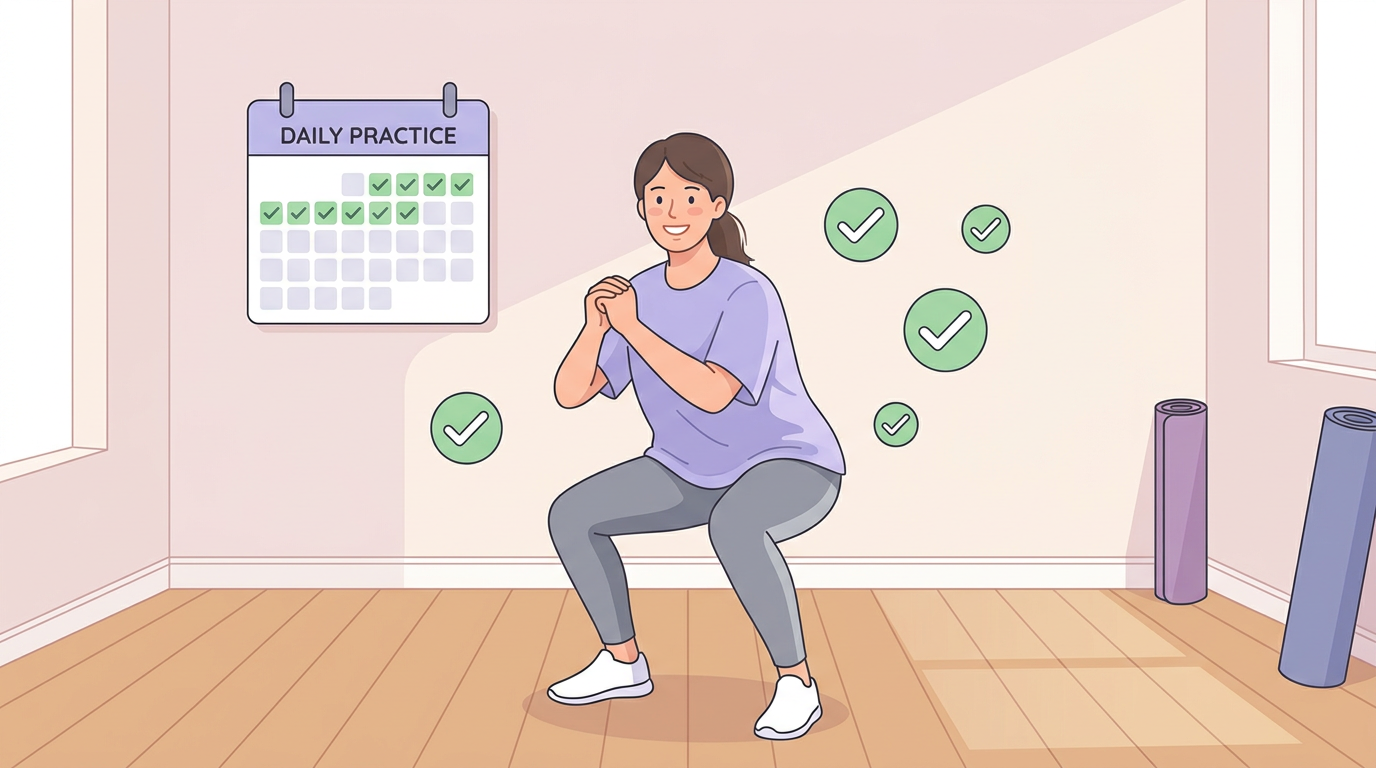
Put It on Your Calendar: Treat your workout like a doctor’s appointment or an important meeting. Block off the time and don’t let other stuff push it aside. A lot of people find that morning workouts work best because you get them done before life gets in the way.
Switch Things Up: Doing the same thing every day gets boring fast, plus your body adapts and you stop seeing progress. Mix it up throughout the week. Maybe Monday is strength training, Wednesday you go for a long walk, and Friday you try a dance class or go swimming.
Keep Track: Write down what you did and how it felt. You don’t need anything fancy—just a quick note in your phone or a notebook. When you look back after a few weeks, you’ll see how far you’ve come, and that’s incredibly motivating.
Pay Attention to Your Body: There’s a difference between “this is challenging” and “this hurts.” Muscles getting tired during a workout? Normal. Sharp pain in your joints or feeling weird? That’s your body telling you to stop. And rest days aren’t lazy days—they’re when your body actually recovers and gets stronger.
Find Your People: Working out with friends, taking classes, or joining online groups makes a huge difference. When you know someone’s counting on you to show up, you’re way more likely to actually do it. Plus, it’s more fun.
The Role of Diet in Weight Management
Okay, so exercise matters a ton, but let’s talk about food—because what you eat plays an even bigger role in managing your weight. The best approach? Focus on real, whole foods that actually fill you up and give your body what it needs.
Load up on vegetables, fruits, lean proteins, whole grains, and healthy fats. These foods give you energy and nutrients without leaving you hungry an hour later. Protein is especially important because it helps maintain muscle, keeps you feeling full, and your body actually burns more calories digesting it than it does with carbs or fats.
You don’t need to count every calorie, but being aware of portions helps. Try using smaller plates, eating slowly, and stopping when you’re satisfied instead of stuffed. Actually, pay attention to whether you’re hungry or just eating because it’s lunchtime or because food is there.
And don’t forget about water. A lot of the time,s when you think you’re hungry, you’re actually just thirsty. Drinking enough water (shoot for at least eight glasses a day) helps your metabolism work better, keeps you from mistaking thirst for hunger, and helps you perform better during workouts. Drink even more if you’re sweating a lot.
What is the Best Diet for Working Out and Losing Weight?
There’s no one “perfect” diet that works for everyone—if there was, we’d all be doing it already. But the eating plans that actually work share some things in common. The best diet for working out and losing weight is one that:
Gives You Enough Protein: If you’re working out, especially doing strength training, aim for about 0.8 to 1 gram of protein per pound of body weight. Protein helps your muscles recover and makes sure you’re losing fat, not muscle.
Includes the Right Carbs: Your body needs carbs for energy, especially around workouts. Just choose the good stuff—whole grains, sweet potatoes, fruits—instead of white bread, sugary snacks, and processed junk.
Has Healthy Fats: Don’t be afraid of fat. Your body needs it for hormones and absorbing vitamins. Avocados, nuts, seeds, olive oil, and fatty fish like salmon are all great choices. Just don’t go overboard.
Focuses on Real Food: The less processed, the better. When you cook at home, you control what goes in your food—no hidden calories, weird additives, or excessive salt and sugar.
Let’s You Live Your Life: Diets that ban entire food groups or make you feel guilty about every bite? They don’t work long-term. Most people do best with an 80/20 approach—eat nutritious stuff 80% of the time, and don’t stress about enjoying treats the other 20%.
Timing matters too. Eat something balanced about 1-2 hours before working out so you have energy. Then eat again within an hour after your workout—ideally something with both protein and carbs—to help your body recover.
How to Manage Weight Through Diet and Exercise
This is where it all comes together. Managing your weight isn’t about following some strict plan for a few weeks. It’s about creating a lifestyle where eating well and moving regularly just become part of who you are.
Create a Calorie Deficit (But Don’t Go Crazy): To lose weight, you need to eat a bit less than you burn. But if you cut too much, your body freaks out, your metabolism slows down, and you end up hungry and miserable. Aim for a deficit of about 300-500 calories a day. That usually leads to losing 1-2 pounds a week, which is sustainable.
Plan Ahead: Take some time each week to plan your meals and prep what you can. When you’ve got healthy food ready to go, you’re way less likely to grab junk when you’re tired or stressed. Same with exercise—lay out your workout clothes the night before so there’s one less excuse to skip it.
Take It Slow: Trying to change everything at once is a recipe for burnout. Start with one or two small changes, like adding a vegetable to every meal and taking a 20-minute walk each day. Once those feel natural, add something else. Build on your wins.
Check In, But Don’t Obsess: Weighing yourself once a week can help you track progress, but daily weigh-ins are frustrating because your weight fluctuates based on water, digestion, and all kinds of stuff that has nothing to do with fat. Better yet, also pay attention to how you feel, how your clothes fit, and other wins that have nothing to do with the scale.
Adjust as You Go: What works at first might need tweaking as your body changes. If you hit a plateau that lasts a few weeks, take a look at what you’re doing. Maybe you need to bump up your workout intensity, adjust your portions, or work on sleep and stress—both of those affect weight more than people realize.
Frequently Asked Questions
Is 70% Diet and 30% Exercise True?
You’ve probably heard some version of “weight loss is 70% diet, 30% exercise,” or whatever ratio people are claiming this week. While those exact numbers aren’t based on science, there’s truth to the idea: you can’t out-exercise a bad diet. It’s way easier to eat 500 calories than to burn them off.
But here’s the thing—exercise does more than just burn calories during your workout. It builds muscle that revs up your metabolism, helps your body handle insulin better, reduces stress, improves sleep—all stuff that affects your weight. So thinking about it in strict percentages misses the bigger picture.
Bottom line? Both matter a lot, and they work together. Focus on improving both instead of picking one to prioritize.
What is the 3 3 3 Rule for Weight Loss?
The 3-3-3 rule is basically: eat three meals a day, include three food groups at each meal, and exercise three times a week. It’s a simple framework, but honestly, it’s pretty arbitrary.
What matters more than following any specific “rule” is finding an eating and exercise pattern you can stick with forever. Some people feel great eating three meals; others prefer smaller, more frequent ones. And while three workouts a week is better than nothing, you’ll see better results moving most days.
Use ideas like this as a starting point if you need structure, but customize based on what actually works for your life.
How to Manage Weight Through Diet and Exercise?
Managing weight successfully means creating habits you can maintain, not following some intense program for a few weeks, then going back to old patterns. Start with a consistent exercise routine—both cardio and strength training. Pair that with eating mostly whole foods in reasonable portions, with plenty of protein.
Set realistic goals and track more than just the number on the scale. Keep healthy food around and make exercise a non-negotiable part of your schedule, just like brushing your teeth. Get accountability through tracking, friends, or working with a trainer or nutritionist if you need extra support.
Most importantly, think long-term. The habits you’re building should be ones you can live with for years, not something you’ll ditch the second you hit your goal weight.
What is the Best Diet for Working Out and Losing Weight?
The best diet for fueling workouts while losing weight focuses on whole foods with a good balance of protein, carbs, and fats. Get your protein from lean sources to help your muscles recover. Eat complex carbs to power your workouts. Include healthy fats because your body needs them.
Eating at the right times helps too. Have some protein and carbs before and after you exercise. Stay hydrated all day, especially around your workouts.
Instead of jumping on whatever diet is trendy right now, focus on eating patterns you can maintain. Mediterranean-style eating, balanced approaches that include all food groups, and plans based on whole foods tend to work well because they’re flexible enough to stick with while supporting both your health and your weight goals.
Conclusion
Managing your weight comes down to building habits you can actually live with—combining exercise for weight management with smart eating choices. There’s no magic formula that works for everyone, but the basics are the same: move regularly, eat nutritious food, get enough rest, and be patient with yourself.
Start where you are right now. Use what you’ve got. Do what you can. Those small, consistent actions add up to real results over time. Whether you’re trying out these 5 simple exercises for weight management and mobility or figuring out what works for your nutrition, remember that progress isn’t a straight line. Some weeks you’ll see more movement than others, and that’s completely normal.
The most successful approach to diet and weight management is the one you can keep doing for life, not just until you lose 10 pounds. Build habits that make your life better, not more restrictive. When you find that sweet spot, managing your weight stops feeling like this constant battle and just becomes part of how you live.
This is your journey, and it’s going to look different from everyone else’s. Celebrate every win, learn from setbacks without beating yourself up, and keep moving forward. The changes you’re making today are creating the lasting results you want tomorrow. You’ve got this.

Faisal is the founder and content creator of The Workout Haven, a fitness and wellness blog focused on home workouts, weight loss, strength training, yoga, and healthy lifestyle habits. He creates easy-to-follow, beginner-friendly fitness guides backed by research, practical experience, and real-world application. Faisal’s goal is to help people stay active, build strength, and improve overall health—no gym or expensive equipment required.