



Exercise at Night to Lose Weight: Your Complete Evening Workout Guide
Table of Contents
Introduction
Finding time to exercise during busy daytime hours can feel impossible. Between work commitments, family responsibilities, and daily errands, your fitness goals often take a backseat. But here’s the good news: exercising at night might be exactly what you need to finally shed those stubborn pounds.
Many people wonder whether working out in the evening is as effective as morning exercise. The truth is, exercise at night can be a powerful tool for weight loss when done correctly. Your body doesn’t have a strict clock that determines when calories burn most effectively. What matters most is consistency, effort, and choosing the right types of movements for your evening routine.
This guide will walk you through everything you need to know about nighttime workouts, from the best exercises to try to the optimal timing before bed. Whether you’re looking to lose belly fat, boost your metabolism, or simply squeeze fitness into your schedule, evening workouts might be your perfect solution.
Why Evening Workout Time Works for Weight Loss
Your body’s metabolism doesn’t shut down when the sun sets. In fact, some research suggests that physical performance actually peaks in the late afternoon and early evening. Your muscle function, enzyme activity, and body temperature are all optimized during these hours, which means you might actually perform better during an evening workout at home than you would at dawn.
When you exercise at night, you’re also taking advantage of a crucial weight loss window. Evening physical activity helps regulate your blood sugar levels after dinner, preventing those calories from being stored as fat while you sleep. This metabolic boost can continue for hours after your workout ends, turning your body into a calorie-burning machine even as you rest.
Another significant advantage is stress reduction. Evening exercise helps lower cortisol levels that have built up throughout your day. Since elevated cortisol is linked to increased belly fat storage, managing this stress hormone through nighttime movement can directly support your weight loss goals.
Best Exercise at Night to Lose Weight
Not all exercises are created equal when it comes to evening workouts. The key is choosing movements that elevate your heart rate and build muscle without overstimulating your nervous system right before bed.
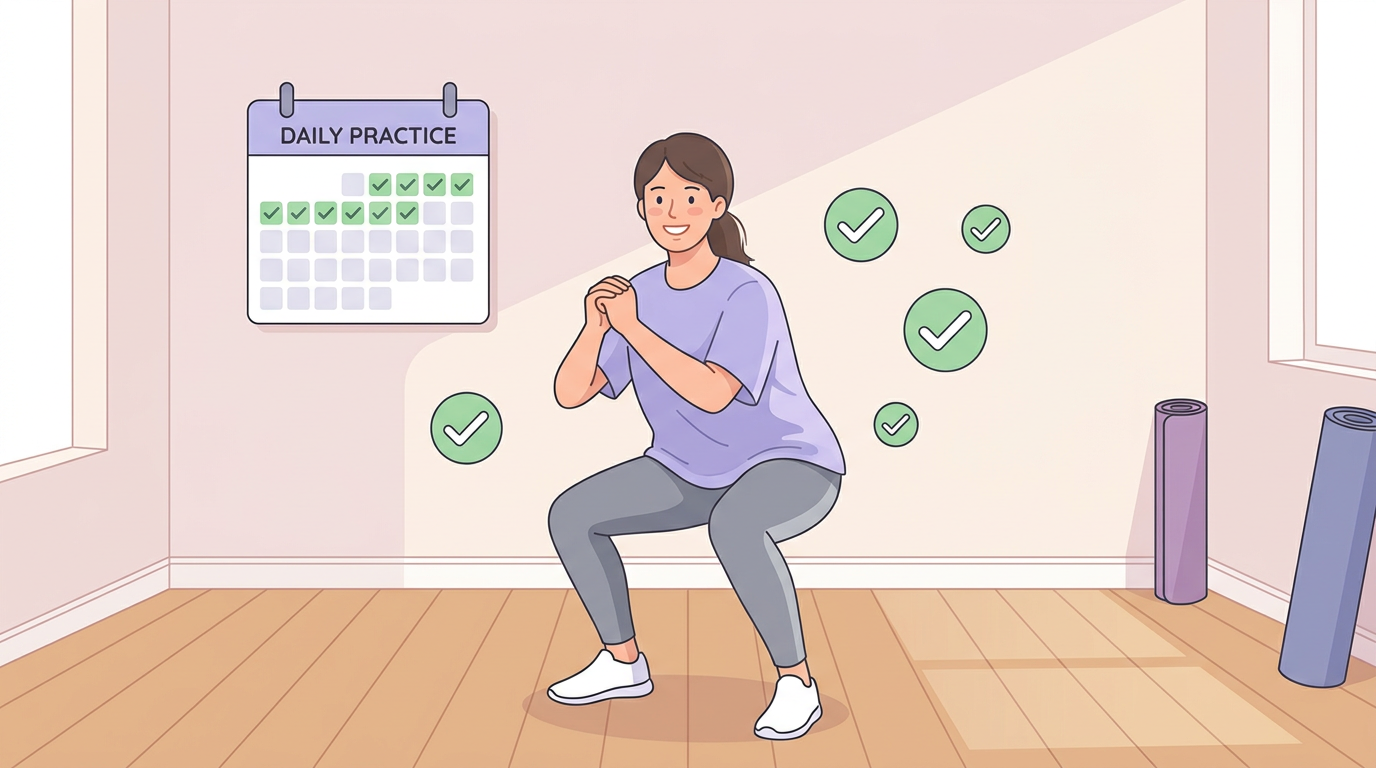
Strength training should be your foundation. Building lean muscle mass increases your resting metabolic rate, meaning you’ll burn more calories even while sleeping. Bodyweight exercises like squats, lunges, push-ups, and planks are perfect for an evening workout at home because they require no equipment and effectively target multiple muscle groups.
Moderate cardio works beautifully in the evening. Think brisk walking, cycling, or dancing rather than high-intensity sprints. These activities burn calories, improve cardiovascular health, and promote better sleep quality when timed properly. A 30-minute session of moderate cardio can burn 200-300 calories while setting you up for restorative rest.
Yoga and Pilates deserve special mention for nighttime routines. These practices combine strength building with stress reduction, making them ideal for women looking to exercise at night to lose weight. The controlled movements engage your core, improve flexibility, and create the mind-body connection that supports long-term weight management.
Exercise at Night to Lose Weight for Females: Special Considerations
Women’s bodies respond uniquely to evening exercise, particularly due to hormonal fluctuations throughout the menstrual cycle. Understanding these nuances can help you maximize your night exercise for weight loss after dinner.
During the follicular phase (the first half of your cycle), your body tolerates higher-intensity evening workouts more easily. This is an excellent time for challenging strength circuits or interval training. During the luteal phase (after ovulation), you might find that gentler movements like yoga or walking feel more sustainable and still deliver results.
Hormonal balance is crucial for female weight loss, and evening exercise can support this. Regular nighttime physical activity helps regulate insulin sensitivity, which is essential for managing body composition. It also supports healthy leptin levels, the hormone that controls hunger and satiety signals.
Many women struggle with evening stress eating, and strategic nighttime exercise before sleep can break this cycle. When you move your body instead of reaching for snacks, you’re retraining your brain’s reward pathways while simultaneously burning calories and building strength.
7 Before Bed Exercises to Lose Belly Fat
These targeted movements are specifically designed to engage your core and boost metabolism without disrupting your sleep. Perform this circuit 1-2 hours before bedtime for optimal results.
1. Standing Oblique Crunches: Stand with feet hip-width apart and hands behind your head. Bring your right elbow down to meet your right knee as you lift it, engaging your side abdominals. Alternate sides for 15 repetitions each. This movement targets stubborn side fat while improving balance.
2. Plank to Downward Dog: Start in a forearm plank position, then push your hips up and back into downward dog, creating an inverted V-shape. Return to the plank. This dynamic movement engages your entire core while stretching tight muscles from your day. Complete 12 repetitions.
3. Leg Raises: Lie on your back with your hands under your hips for support. Keep legs straight and lift them to 90 degrees, then lower slowly without touching the floor. This exercise intensely targets lower belly fat. Aim for 10-15 controlled repetitions.
4. Bicycle Crunches: While lying on your back, bring your opposite elbow to your opposite knee in a cycling motion. This classic move activates all layers of abdominal muscles. Perform for 30 seconds with good form.
5. Bridge Holds: Lie on your back with knees bent and feet flat. Lift your hips to create a straight line from shoulders to knees, engaging your glutes and core. Hold for 30-45 seconds. This strengthens your posterior chain while activating deep core muscles.
6. Dead Bug: Lying on your back, extend opposite arm and leg while keeping your lower back pressed to the floor. This coordination exercise builds core stability and burns calories through controlled movement. Complete 10 repetitions per side.
7. Seated Russian Twists: Sit with knees bent, and feet lifted slightly off the floor. Twist your torso from side to side, touching the floor beside your hips. This rotation targets obliques and builds rotational core strength. Perform 20 total twists.
Exercises to Do at Night to Lose Belly Fat: Creating Your Routine
Beyond the seven exercises above, building a comprehensive night exercise before sleep routine requires strategic planning. Your evening workout should last 30-45 minutes and include a proper warm-up and cool-down.
Start with 5-7 minutes of gentle movement to prepare your body. Arm circles, leg swings, and light marching in place will increase blood flow without spiking your energy too high. This preparation phase reduces injury risk and improves exercise performance.
Your main workout should combine strength and cardio in a circuit format. For example, alternate between bodyweight squats, push-ups, and step-ups for three rounds, resting 30-60 seconds between rounds. This approach keeps your heart rate elevated while building calorie-burning muscle.
Finish with 5-10 minutes of stretching and deep breathing. This cool-down phase signals to your nervous system that it’s time to shift toward rest mode. Focus on stretches that target areas you worked during your session, holding each for 20-30 seconds.
Night Exercise for Weight Loss After Dinner: Timing Matters
The timing of your night exercise for weight loss after dinner can significantly impact both your results and sleep quality. The sweet spot is typically 1-2 hours after eating your evening meal.
Exercising too soon after dinner can cause digestive discomfort, cramping, and reduced performance. Your body needs time to begin the digestion process before diverting blood flow to working muscles. Waiting at least 60 minutes allows your stomach to settle while still giving you time to work out before bed.
However, finishing your workout too close to bedtime can interfere with sleep for some people. Exercise increases core body temperature and stimulates the nervous system, both of which can make falling asleep difficult. Aim to complete your workout at least 60-90 minutes before you plan to sleep, allowing your body temperature to decrease and your mind to settle.
If you work late shifts or have limited time, even a 15-20 minute movement session is better than nothing. Quick bodyweight circuits or brisk walks can still provide metabolic benefits without requiring hours of commitment.
Does Exercise at Night Help You Lose Weight?
The short answer is yes, absolutely. Exercise at night helps you lose weight through multiple mechanisms that work together to create a calorie deficit and improve body composition.
First, evening exercise burns calories directly during your workout session. A 30-minute moderate-intensity session can burn 150-300 calories, depending on your body weight and exercise choice. These calories come from both immediate energy stores and fat reserves as your workout progresses.
Second, nighttime strength training builds muscle tissue that increases your resting metabolic rate. This means you’ll burn more calories 24/7, even during sleep and sedentary activities. Over time, this metabolic advantage compounds, making weight loss easier to maintain.
Third, evening workouts improve insulin sensitivity, which helps your body process the carbohydrates from your dinner more efficiently. Instead of storing these calories as fat, your muscles absorb them for recovery and energy replenishment. This metabolic flexibility is crucial for long-term weight management.
Finally, regular night exercise improves sleep quality for many people, and better sleep is strongly linked to successful weight loss. Quality rest regulates hunger hormones, reduces cravings, and gives you the energy to stay active the next day.
How to Lose Belly Fat at Night?
Losing belly fat at night requires a combination of smart exercise choices, proper nutrition timing, and lifestyle habits that support fat burning during sleep.
Your nighttime workout should emphasize core-strengthening movements combined with full-body exercises that burn maximum calories. The exercises to do at night to lose belly fat listed earlier in this article specifically target this stubborn area through varied movement patterns.
Beyond exercise, your dinner composition matters significantly. Eating a moderate portion of lean protein with vegetables and healthy fats supports muscle recovery overnight while keeping your insulin levels stable. Avoid large carbohydrate-heavy meals late in the evening, as excess glucose is more likely to be stored as belly fat when consumed close to bedtime.
Creating a slight calorie deficit through your entire day is essential, but don’t make the mistake of eating too little. Severe restriction slows your metabolism and makes belly fat loss harder. A modest 300-500 calorie deficit combined with regular exercise produces sustainable results.
Sleep quality cannot be overlooked in belly fat reduction. Your body burns fat and repairs muscle primarily during deep sleep stages. Aim for 7-9 hours of quality sleep by maintaining a cool, dark bedroom and establishing a consistent bedtime routine. Poor sleep elevates cortisol, which directly promotes belly fat storage.
What is the 3-3-3 Rule for Losing Weight?
The 3-3-3 rule is a simple framework that makes weight loss more approachable and sustainable. While interpretations vary, here’s a practical version that works well with evening exercise routines.
Three meals per day: Structure your eating around three balanced meals that include protein, fiber, and healthy fats. This approach prevents excessive snacking and helps you tune into genuine hunger signals. Your dinner should be satisfying but not overly large, leaving you comfortable for your evening workout.
Three liters of water: Staying properly hydrated supports metabolism, reduces false hunger signals, and improves exercise performance. Distribute your water intake throughout the day, with extra attention before and after your nighttime workout. Proper hydration also aids recovery while you sleep.
Three types of movement: Incorporate strength training, cardio, and flexibility work into your weekly routine. For evening exercisers, this might mean alternating between resistance circuits, moderate cardio walks, and yoga or stretching sessions. This variety prevents boredom, reduces injury risk, and ensures comprehensive fitness development.
Some versions of the 3-3-3 rule also emphasize three hours between meals or three different workout types per week. The underlying principle remains consistent: simplicity and balance create sustainable results. Rather than following complex diet rules or exercise programs, these straightforward guidelines help you build healthy habits that support long-term weight loss.
Can You Lose Weight Working Out at Night?
You absolutely can lose weight working out at night, and for some people, evening exercise is actually more effective than morning workouts. Your personal chronotype (whether you’re naturally a morning or evening person) plays a significant role in exercise adherence and performance.
Research shows that exercise timing matters less than consistency. The best workout time is the one you’ll actually stick with long-term. If evening workouts fit your schedule better and you enjoy them more, you’re far more likely to maintain the habit that produces results.
Night exercisers often report being able to push harder during workouts because they’re not rushed by morning commitments. You’ve also been moving and eating throughout the day, which means your muscles are fueled and warmed up for performance. This can translate to better workout quality and greater calorie burn.
The key to successful weight loss through nighttime exercise is creating a sustainable routine. Choose an evening workout time that doesn’t conflict with family dinners, work obligations, or sleep needs. Block this time in your schedule just as you would any important appointment.
Track your progress through measurements, photos, and how your clothes fit rather than obsessing over daily scale fluctuations. Weight loss happens gradually, and nighttime exercisers see the same long-term results as morning workout enthusiasts when effort and nutrition are equivalent.
Creating Your Personalized Night Exercise Plan
Now that you understand the science and strategies behind evening workouts for weight loss, it’s time to build your personalized plan. Start by assessing your current fitness level honestly. If you’re new to exercise, begin with 20-minute sessions three times per week and gradually increase duration and intensity.
Choose exercises you genuinely enjoy, as enjoyment dramatically increases adherence. If you hate running, don’t force yourself to jog at night. Try dancing, cycling, bodyweight circuits, or yoga instead. The best exercise at night to lose weight is the one you’ll consistently do.
Schedule your workouts in advance and treat them as non-negotiable appointments. Prepare your workout clothes the night before, create an energizing playlist, and eliminate common excuses before they arise. This preparation removes decision fatigue and makes following through much easier.
Monitor how evening exercise affects your sleep quality. Most people sleep better with nighttime workouts, but if you’re one of the exceptions, adjust your timing earlier in the evening. Listen to your body and make modifications that support both your fitness and rest.
Remember that nutrition and exercise work together synergistically. You can’t out-exercise a poor diet, but you also can’t achieve your best body composition through diet alone. Evening workouts combined with balanced eating create the metabolic environment where sustainable weight loss thrives.
Conclusion
Exercise at night offers a practical, effective pathway to weight loss that fits modern lifestyles. Whether you’re trying exercises to do at night to lose weight or building a comprehensive evening fitness routine, the strategies in this guide will help you achieve your goals.
The science is clear: nighttime workouts burn calories, build metabolism-boosting muscle, regulate hormones, and improve sleep quality when timed correctly. For women specifically, evening exercise can be tailored to hormonal fluctuations and unique metabolic needs.
Start tonight with just 15-20 minutes of movement. Try a few of the belly fat-targeting exercises, go for a post-dinner walk, or follow a beginner yoga video. Small consistent actions compound into remarkable transformations over time.
Your journey to a healthier, leaner body doesn’t require perfect circumstances or hours of free time. It requires the decision to move your body regularly, even when it’s dark outside. The evening hours aren’t an obstacle to fitness—they’re an opportunity waiting to be seized.
Frequently Asked Questions
Does exercise at night help you lose weight?
Yes, exercise at night helps you lose weight by burning calories, building muscle that increases your metabolic rate, and improving how your body processes dinner. Evening workouts can burn 150-300+ calories per session while creating metabolic changes that support fat loss during sleep. The key is consistency and choosing appropriate exercises that don’t disrupt your sleep quality. When combined with proper nutrition, nighttime exercise produces the same weight loss results as morning workouts.
How to lose belly fat at night?
To lose belly fat at night, combine targeted core exercises with full-body movements that burn maximum calories. Perform exercises like planks, leg raises, bicycle crunches, and bridges 1-2 hours before bed. Eat a protein-rich dinner with vegetables instead of heavy carbohydrates, stay hydrated, and ensure you get 7-9 hours of quality sleep. Belly fat loss happens through consistent calorie deficit and hormonal balance, both of which are supported by strategic evening exercise and proper sleep.
What is the 3-3-3 rule for losing weight?
The 3-3-3 rule for losing weight is a simple framework: eat three balanced meals per day, drink three liters of water, and incorporate three types of movement (strength, cardio, and flexibility) into your routine. This approach creates structure without complicated calorie counting or restrictive dieting. The rule emphasizes balance, hydration, and varied physical activity as the foundation for sustainable weight loss. It’s particularly effective when combined with consistent evening exercise routines.
Can you lose weight working out at night?
Yes, you can definitely lose weight working out at night. Research shows that exercise timing is less important than consistency and effort. Evening workouts offer advantages like better muscle fuel from daily eating, warmer body temperature for performance, and compatibility with busy schedules. Many people actually perform better during evening sessions and find it easier to maintain this habit long-term. The key is finishing your workout 60-90 minutes before bedtime to allow for proper cool-down and sleep preparation.

Faisal is the founder and content creator of The Workout Haven, a fitness and wellness blog focused on home workouts, weight loss, strength training, yoga, and healthy lifestyle habits. He creates easy-to-follow, beginner-friendly fitness guides backed by research, practical experience, and real-world application. Faisal’s goal is to help people stay active, build strength, and improve overall health—no gym or expensive equipment required.