
Exercise for Seniors Over 80: Your Path to a Strong
Table of Contents
Exercise for Seniors Over 80
Turning 80 is a remarkable milestone, a testament to a life well-lived. While it’s common for energy levels and mobility to shift with age, this is precisely the time when staying physically active becomes not just beneficial, but truly essential. Forget the myth that exercise is for the young—for those over 80, movement is the key to maintaining independence, vitality, and quality of life.
This guide will walk you through the incredible benefits of exercise at this stage, what types of movement are safest and most effective, and how to build a simple, enjoyable routine. Before starting any new exercise program, it’s vital to consult with a healthcare provider to ensure the activities are safe and appropriate for any existing health conditions.
The Powerful Benefits of Moving in Your 80s
The advantages of regular, gentle exercise for seniors over 80 are profound and affect every aspect of well-being, from the physical to the mental. These benefits go far beyond simply “staying fit”—they are about preserving the ability to live life on your own terms.
Reduced Risk of Falls: The Primary Goal
For older adults, the risk of a fall is a major concern, and an injury can severely impact independence. The good news is that focused exercise is the single most effective tool for prevention.
- Improved Balance and Coordination: Exercises like Tai Chi and simple balance drills (often done while holding onto a chair) directly train the body’s stability systems, making you feel more confident and steady on your feet.
- Stronger Muscles: As we age, we naturally lose muscle mass (a condition called sarcopenia). Strength training combats this, making muscles stronger to better support joints and quickly stabilize the body during a slip or stumble.
Enhancing Physical Health and Independence
Regular activity acts as a protective shield against many age-related health issues and dramatically improves your ability to perform daily tasks.
- Boosted Bone Health: Weight-bearing activities, even gentle ones like walking, help maintain bone density, which is crucial for preventing osteoporosis and reducing the risk of fracture.
- Heart and Brain Health: Aerobic activities, or “cardio,” strengthen the heart and lungs. They also increase blood flow to the brain, which is linked to a reduced risk of dementia and improved cognitive function and memory.
- Pain Relief: Moving might seem counterintuitive when joints ache, but low-impact activities like swimming or chair yoga can actually relieve stiffness and pain associated with conditions like arthritis by strengthening the surrounding muscles and improving joint lubrication.
Improved Mental and Emotional Well-Being
Exercise isn’t just for the body; it’s a powerful tool for lifting the spirit.
- Mood Boost: Physical activity releases endorphins, natural mood elevators that help reduce symptoms of anxiety and depression.
- Better Sleep: Regular movers often report a better quality of sleep, which is essential for overall health, energy, and mental sharpness.
- Social Connection: Joining an exercise class, like water aerobics or a walking club, provides invaluable social engagement, helping to fight feelings of isolation and loneliness.
Four Pillars of a Safe Exercise Plan
A well-rounded exercise program for seniors over 80 should incorporate four key types of activities. Remember, the focus should always be on low-impact, gentle movements and consistency over intensity.
1. Endurance (Aerobic) Activities
These activities get your heart rate up and improve your cardiovascular health without putting excessive strain on your joints.
- Walking: This is the most accessible and highly recommended form of aerobic exercise. Start with short, slow walks around the house or yard, and gradually increase the distance and pace. Every step counts!
- Water Aerobics or Swimming: The buoyancy of the water provides natural resistance while being incredibly gentle on joints. Many community centers and gyms offer senior water classes.
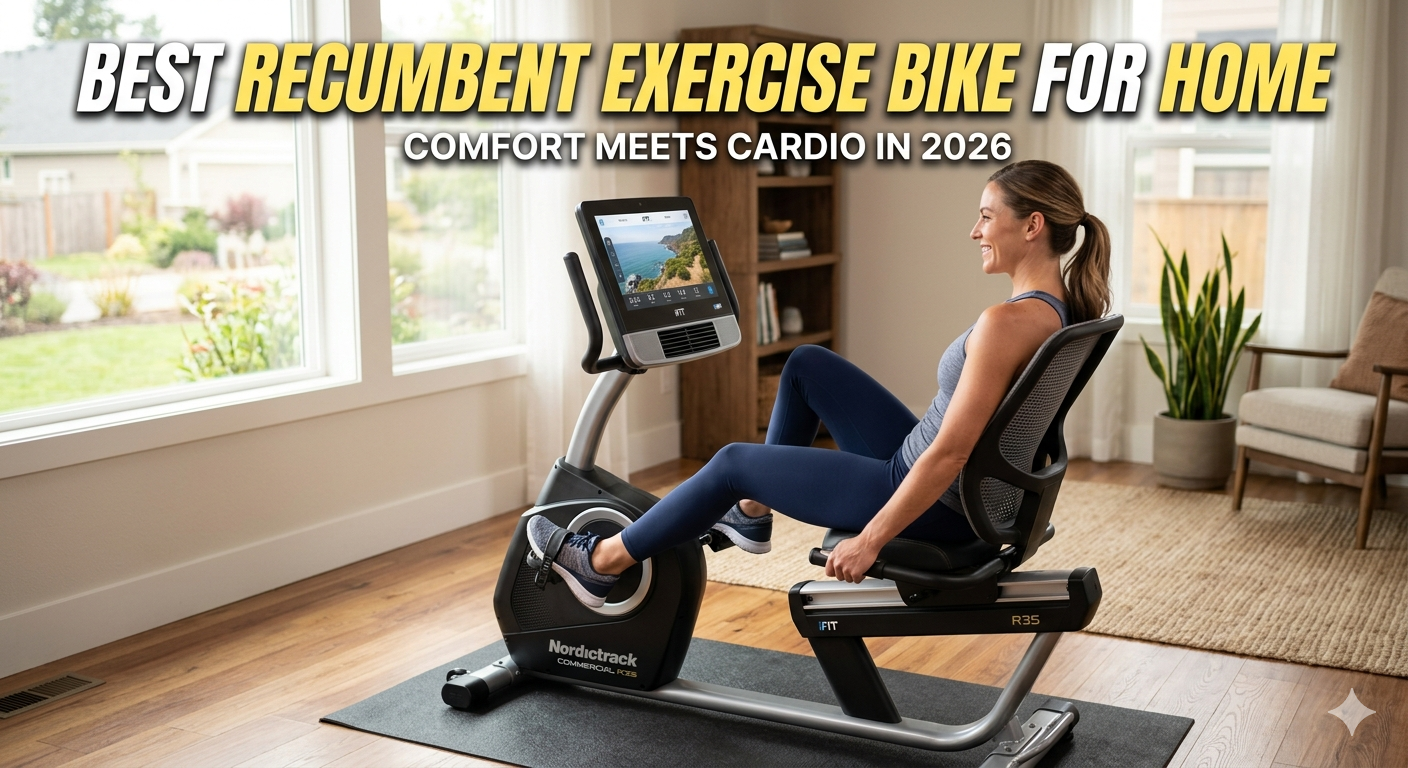
- Seated Cycling: Using a stationary or recumbent bicycle provides excellent cardio benefits with maximum stability and no impact on the knees or ankles.
2. Strength Exercises
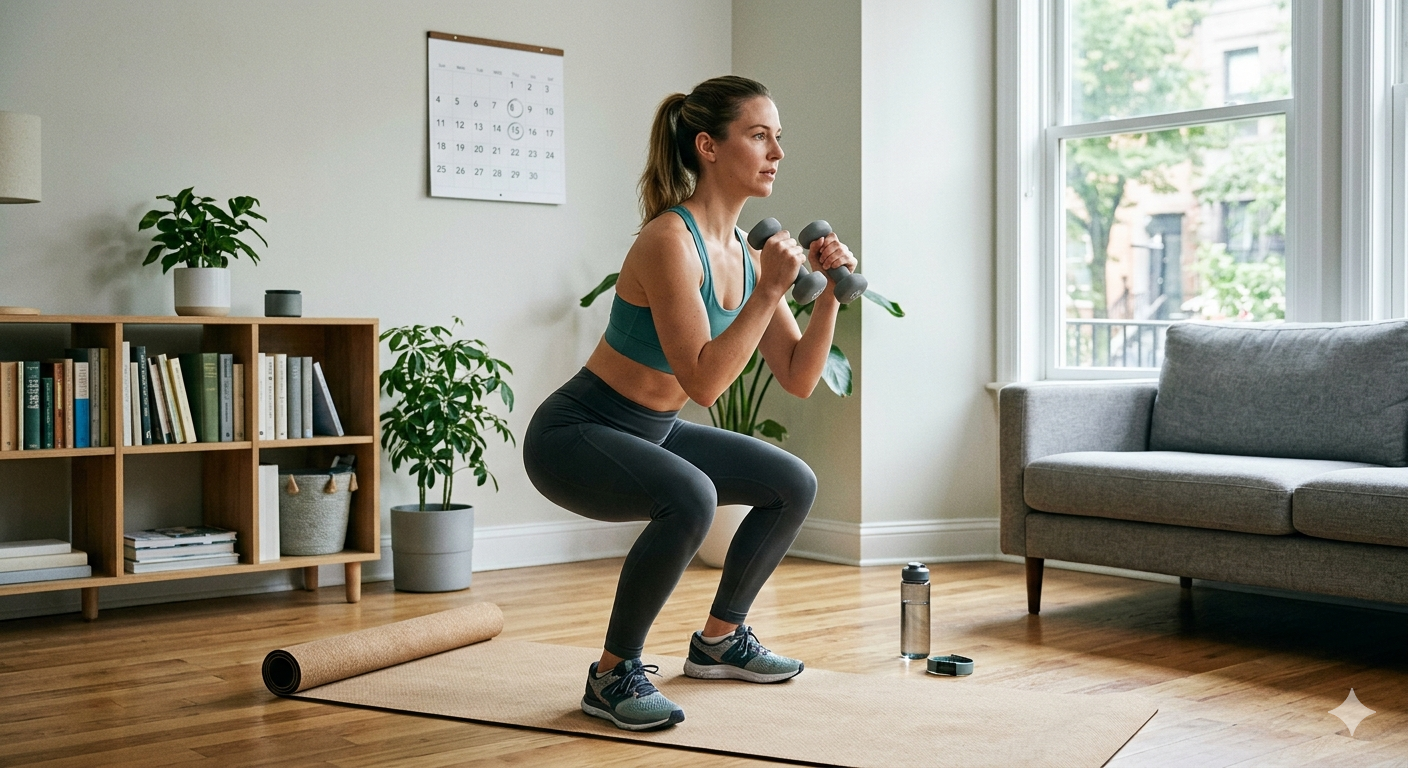
Strength training helps build and maintain muscle mass, improving functional movements like getting up from a chair or opening a jar. This does not mean heavy lifting; it means light resistance. Aim for these exercises at least two days a week.
Safe Strength Exercises
- Chair Stand (Sit-to-Stand): Sit on a sturdy chair, keep your back straight, and stand up without using your hands if possible. Slowly sit back down. This mimics a crucial everyday movement and strengthens your thighs and glutes.
- Wall Push-Ups: Stand a couple of feet from a wall and place your hands flat on it, slightly wider than shoulder-width. Slowly lean toward the wall and push back, similar to a standard push-up but much gentler.
- Bicep Curls: Use light hand weights (1-2 pounds) or even soup cans. While seated, hold a weight in each hand, palms facing up, and slowly curl your hands toward your shoulders, then lower.
3. Balance Exercises
Improving balance is non-negotiable for fall prevention. Always perform these exercises near a sturdy surface like a kitchen counter or wall that you can grab if you feel unsteady.
Foundational Balance Drills
- Single-Leg Stand: Hold onto a secure object and lift one foot just a few inches off the floor. Start by holding for 5 seconds and slowly work your way up to 30 seconds. Repeat on the other leg.
- Heel-to-Toe Walk (Tandem Walk): Place the heel of one foot directly in front of the toe of the other, as if walking on a tightrope. This challenges your stability. Only take a few steps at a time.
- Tai Chi and Qigong: These ancient Chinese practices are exceptional for seniors, combining gentle movement, deep breathing, and mindful control to vastly improve balance and flexibility.
4. Flexibility Exercises
Stretching keeps muscles and joints limber, increasing your range of motion and making everyday tasks easier.
Gentle Flexibility Stretches
- Neck and Shoulder Rolls: Gently tilt your head side to side, then roll your shoulders forward and backward.
- Ankle Circles: While seated, lift one foot and slowly rotate your ankle clockwise, then counter-clockwise. This helps keep ankles strong and flexible, which is important for walking.
- Seated Gentle Twist: While sitting straight in a chair, gently twist your upper body to one side, holding for a moment, and repeat on the other side.
Building Your Simple, Safe Routine
Starting an exercise routine in your 80s should be about ease and enjoyment, not exertion.
Start Slow and Be Patient
If you’re new to exercise, begin with just 5-10 minutes a day of light activity, like a slow walk or seated stretches. You can break your activity into multiple short sessions throughout the day. Listen to your body; some days you may need to rest, and that’s okay. The goal is consistency.
Make it a Daily Habit
Try to incorporate movement into your daily routine. Can you walk to the mailbox instead of driving? Can you do seated stretches during your favorite television program? Finding ways to be active every day, even in small ways, is key.
Safety First: Essential Guidelines
- Get Clearance: Always check with your doctor before beginning a new exercise regimen.
- Stay Hydrated: Drink water before, during, and after your activity.
- Wear Proper Footwear: Wear comfortable, supportive, non-slip shoes.
- Use Support: When doing balance exercises, always have a sturdy chair, counter, or railing nearby.
- Stop If: If you feel pain, dizziness, nausea, or shortness of breath, stop immediately and seek medical attention if symptoms persist.
Faisal is the founder and content creator of The Workout Haven, a fitness and wellness blog focused on home workouts, weight loss, strength training, yoga, and healthy lifestyle habits. He creates easy-to-follow, beginner-friendly fitness guides backed by research, practical experience, and real-world application. Faisal’s goal is to help people stay active, build strength, and improve overall health—no gym or expensive equipment required.