

Functional Fitness Workouts for Over 50
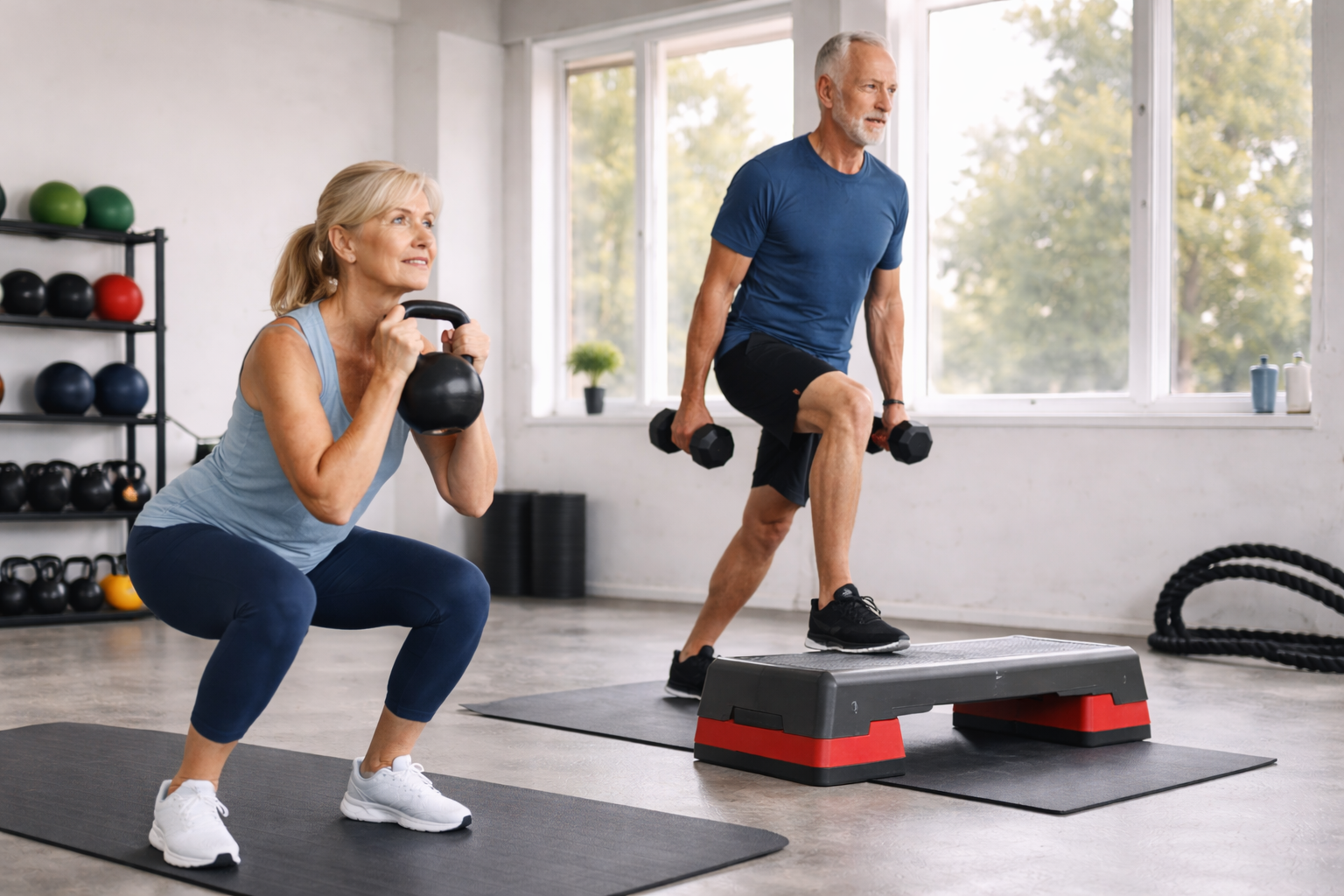
Table of Contents
Why Functional Fitness Workouts Matter After 50
Life after 50 doesn’t mean slowing down—it means training smarter. Functional fitness workouts are specifically designed to improve the movements you do every day: bending down to tie your shoes, lifting groceries, climbing stairs, or playing with your grandchildren. Unlike traditional gym routines that isolate individual muscles, functional workouts over 50 focus on compound movements that mimic real-life activities.
As we age, we naturally lose muscle mass, flexibility, and balance. Research shows that adults over 50 lose approximately 1-2% of muscle mass annually without resistance training. But here’s the good news: functional fitness workout programs can reverse this decline, reduce injury risk, and help you maintain independence well into your golden years.
What Makes a Workout “Functional”?
A functional fitness workout trains your muscles to work together rather than in isolation. These exercises engage multiple muscle groups simultaneously and often incorporate balance, coordination, and core stability. Think squats instead of leg extensions, or pushing movements instead of chest flies.
The beauty of functional training is its practicality. When you strengthen the movement patterns your body uses daily, you’re not just building muscle—you’re investing in your quality of life. Carrying luggage becomes easier. Gardening doesn’t leave you sore for days. You can get up from the floor without assistance.
Essential Functional Fitness Workouts for Over 50
Squats: The Foundation Movement
Squats mirror the motion of sitting down and standing up—something you do dozens of times daily. Start with bodyweight squats, focusing on proper form. Stand with feet shoulder-width apart, push your hips back as if sitting in a chair, and keep your chest lifted. As you build strength, you can add light dumbbells or resistance bands.
For functional fitness workouts for over 50 at home, use a sturdy chair behind you. Tap the seat lightly at the bottom of your squat to ensure proper depth without compromising form.
Deadlifts: Safe Lifting for Life
Deadlifts teach you to lift objects safely from the ground—a skill that prevents countless back injuries. Using dumbbells or kettlebells, hinge at your hips while keeping your back straight and core engaged. This movement strengthens your posterior chain (glutes, hamstrings, and lower back) while protecting your spine during daily activities.
Push and Pull Movements
Balance pushing exercises (push-ups, overhead presses) with pulling movements (rows, pull-downs). This creates muscular balance and supports good posture. Wall push-ups or counter push-ups work wonderfully for functional fitness workouts for over 50 at home, gradually progressing to floor variations as you build strength.
Single-Leg Balance Work
Balance deteriorates with age, but it’s trainable. Simple single-leg stands progress to step-ups, lunges, and eventually single-leg deadlifts. These exercises don’t just prevent falls—they improve coordination and strengthen stabilizer muscles throughout your legs and core.
Core Stability Exercises
Forget endless crunches. Functional core work includes planks, bird dogs, and dead bugs—exercises that teach your midsection to stabilize your spine during movement. A strong core protects your back and improves virtually every physical activity.
Functional Fitness Workouts for Over 50 Females
Women over 50 face unique fitness considerations, particularly regarding bone density and hormonal changes. Functional fitness workouts for over 50 females should emphasize weight-bearing exercises to combat osteoporosis risk while building the strength needed for daily activities.
Focus on exercises that maintain hip and shoulder mobility, as these areas often become problematic. Incorporate resistance training at least twice weekly to preserve muscle mass and support metabolic health. Goblet squats, step-ups, and farmer’s carries are particularly beneficial.
Don’t shy away from challenging yourself. The misconception that women should only use light weights has been thoroughly debunked. Progressive overload—gradually increasing resistance over time—is essential for continued strength gains.
A 12-Week Workout Plan for 50-Year-Old Man
This 12-week workout plan for 50-year-old man progressively builds strength, endurance, and functional capacity. Train three times per week with at least one rest day between sessions.
Weeks 1-4: Foundation Phase Focus on mastering movement patterns with bodyweight or light resistance. Each workout includes: squats (3 sets of 10), push-ups (3 sets of 8-10), rows (3 sets of 10), planks (3 sets of 20-30 seconds), and single-leg balance (30 seconds each leg).
Weeks 5-8: Building Phase Increase resistance and add variations. Include: goblet squats (3 sets of 12), incline push-ups (3 sets of 10), single-arm rows (3 sets of 10 each), deadlifts (3 sets of 8), and lunges (3 sets of 8 each leg).
Weeks 9-12: Performance Phase Challenge yourself with compound movements and increased volume. Incorporate: weighted squats (4 sets of 8), full push-ups (3 sets of 12), deadlifts (4 sets of 8), overhead presses (3 sets of 10), and farmer’s carries (3 sets of 30 seconds).
Free Functional Fitness Workouts for Over 50
You don’t need expensive equipment or gym memberships. Functional fitness workouts for over 50 free options are abundant and effective. Your body provides resistance, and household items can serve as equipment.
Use filled water bottles as light dumbbells, a backpack loaded with books for weighted exercises, or a sturdy chair for step-ups and support during balance work. Stairs become a cardio and strength tool. Your living room floor is perfect for core exercises.
Online resources offer countless free workout videos specifically designed for mature adults. Look for certified trainers who understand the biomechanical considerations for this age group. Many community centers also offer free or low-cost functional fitness classes.
Creating Your Home Workout Space
Functional fitness workouts for over 50 at home require minimal space and equipment. A 6×6 foot area is sufficient. Invest in these basics: a yoga mat for floor exercises, resistance bands of varying strengths, a set of light dumbbells (5-15 pounds depending on your fitness level), and a stable chair.
Proper footwear matters more than fancy equipment. Wear supportive athletic shoes that provide stability during lateral movements and adequate cushioning for impact exercises.
Safety Considerations and Modifications
Always prioritize form over speed or resistance. Poor technique increases injury risk and reduces exercise effectiveness. Start conservatively—you can always increase intensity, but recovering from injury sets you back significantly.
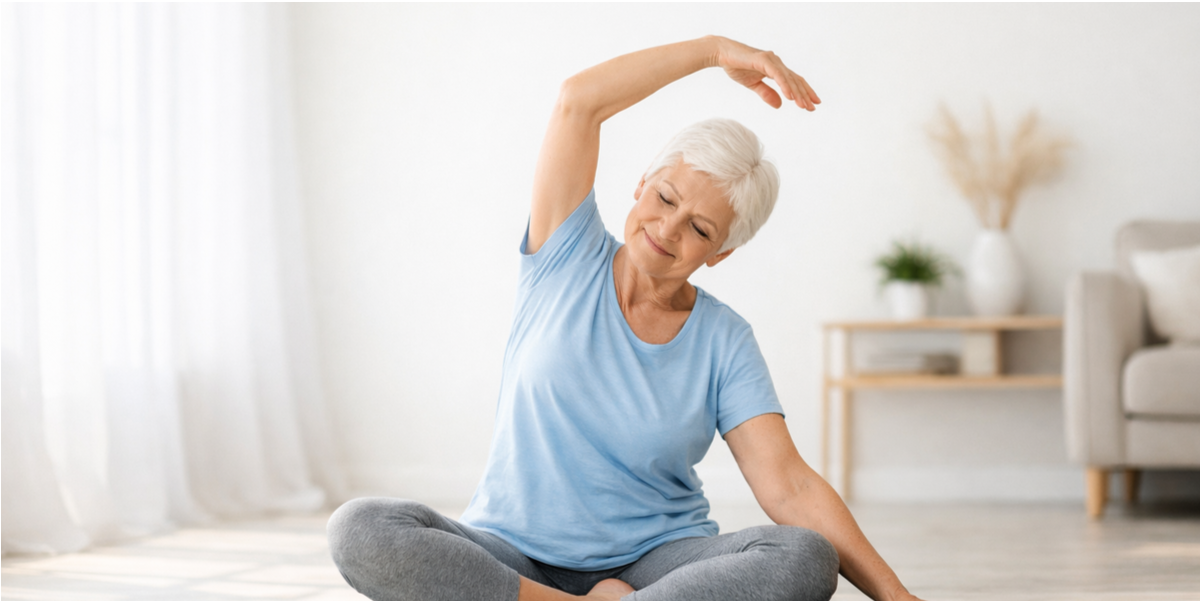
Warm up thoroughly with 5-10 minutes of light cardio and dynamic stretching. Cool down with static stretches, holding each for 20-30 seconds. Listen to your body. Muscle fatigue is normal; joint pain is a warning sign.
If you have pre-existing conditions, chronic pain, or haven’t exercised regularly, consult your healthcare provider before starting a new program. Many exercises have modifications that accommodate limitations while still providing benefits.
Nutrition and Recovery for Optimal Results
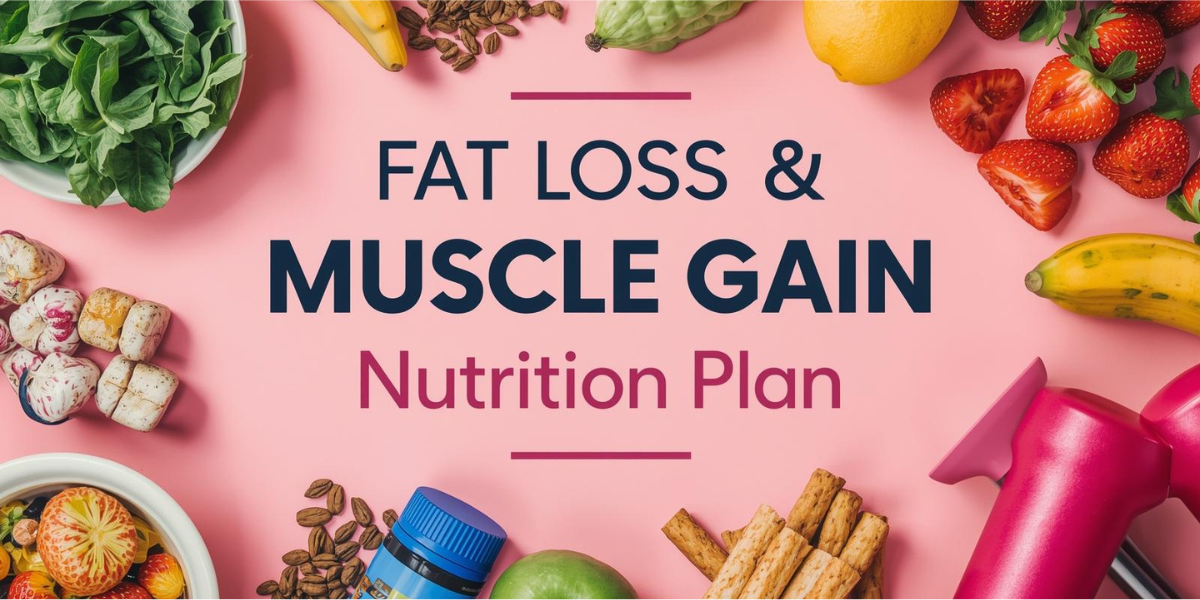
Functional fitness workout success extends beyond exercise. Protein intake becomes increasingly important after 50 to support muscle maintenance and recovery. Aim for 0.8-1 gram of protein per pound of body weight, distributed throughout the day.
Hydration affects performance and recovery. Drink water consistently, not just during workouts. Sleep is when your body repairs and builds strength—prioritize 7-9 hours nightly.
Tracking Progress and Staying Motivated
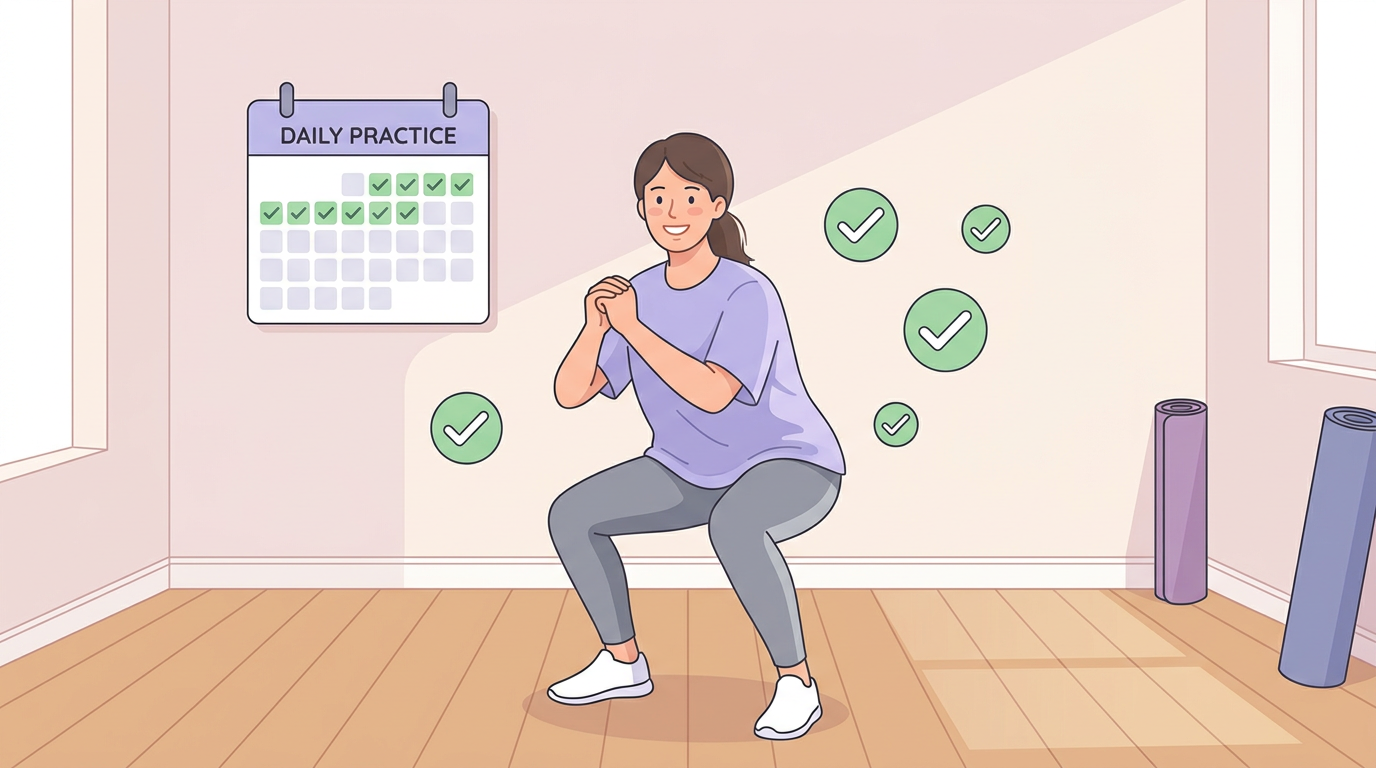
Keep a simple workout log noting exercises, sets, reps, and how you felt. Progress isn’t always linear, but tracking helps you see long-term improvements. Celebrate non-scale victories: climbing stairs without breathlessness, maintaining balance longer, or completing daily tasks with less effort.
Find an accountability partner or join online communities focused on functional fitness workouts over 50. Shared experiences and mutual encouragement make consistency easier.
Beyond the Workout: Active Living
Functional fitness isn’t confined to scheduled exercise sessions. Incorporate movement throughout your day. Take stairs instead of elevators. Park farther from entrances. Garden, play with pets, dance while cooking. Every movement counts toward your fitness and health.
The goal isn’t perfection—it’s progress. Starting a functional fitness workout routine after 50 is one of the most valuable investments in your future health, independence, and quality of life. Your body is capable of remarkable adaptation at any age when given proper stimulus, nutrition, and recovery.
Frequently Asked Questions
Q: How many days per week should I do functional fitness workouts after 50?
A: Aim for 2-3 strength-focused functional workouts per week with at least one rest day between sessions. On off days, incorporate light activity like walking, stretching, or yoga. This balance allows adequate recovery while building strength consistently.
Q: Can I build muscle after 50 with functional fitness?
A: Absolutely. While muscle building may be slower than in your 20s or 30s, it’s entirely possible with progressive resistance training and adequate protein intake. Many people in their 50s, 60s, and beyond experience significant strength gains with consistent functional fitness workouts.
Q: What’s the difference between functional fitness and regular exercise for people over 50?
A: Functional fitness focuses on movements that translate to daily activities—squatting, bending, pushing, pulling, and balancing. Regular exercise might isolate muscles without improving real-world strength. Functional workouts over 50 prioritize practical strength that enhances independence and reduces injury risk.
Q: Do I need a gym membership for functional fitness workouts?
A: No. Many effective functional fitness workouts for over 50 at home require minimal or no equipment. Bodyweight exercises, resistance bands, and household items provide plenty of resistance for building strength and improving function.
Q: How long before I see results from functional fitness workouts?
A: Most people notice improved energy and mobility within 2-3 weeks. Visible strength gains typically appear after 4-6 weeks of consistent training. Remember that internal improvements (bone density, balance, cardiovascular health) occur even before external changes become obvious.
Q: Are functional fitness workouts safe if I have arthritis or joint pain?
A: Generally yes, with modifications. Functional fitness can actually reduce joint pain by strengthening supporting muscles and improving movement patterns. Work with a qualified trainer or physical therapist to adapt exercises to your specific limitations. Avoid movements that cause sharp pain, but mild discomfort during strengthening is normal.
Q: What should I eat before and after functional fitness workouts?
A: Eat a light snack with carbohydrates and protein 1-2 hours before exercising (like Greek yogurt with fruit or whole grain toast with nut butter). After your workout, consume protein within 30-60 minutes to support muscle recovery—a protein shake, eggs, or lean meat work well.
Q: Can functional fitness help prevent falls?
A: Yes, significantly. Balance exercises, leg strengthening, and coordination work directly reduce fall risk by improving stability, reaction time, and lower body strength. Studies show that functional fitness programs can reduce fall risk by up to 40% in older adults.
Faisal is the founder and content creator of The Workout Haven, a fitness and wellness blog focused on home workouts, weight loss, strength training, yoga, and healthy lifestyle habits. He creates easy-to-follow, beginner-friendly fitness guides backed by research, practical experience, and real-world application. Faisal’s goal is to help people stay active, build strength, and improve overall health—no gym or expensive equipment required.