

How Much Exercise Do You Need Daily?
Introduction
Let’s be honest—figuring out how much exercise you actually need can feel overwhelming. Between conflicting advice online and fitness influencers claiming you need to hustle every single day, it’s tough to know what’s right for you. The truth? There’s no one-size-fits-all answer, but there are solid guidelines that can help you find your sweet spot.
Whether you’re trying to lose weight, build muscle, or simply stay healthy, understanding how much exercise you need daily is the first step toward creating a sustainable fitness routine. Let’s break it down together.
How Much Exercise Do You Need Daily?
The general recommendation from health organizations like the CDC and WHO is pretty straightforward: adults should aim for at least 150 minutes of moderate-intensity exercise per week, or 75 minutes of vigorous-intensity exercise. That breaks down to about 30 minutes of movement, five days a week.
But here’s the thing—this is a baseline for general health. Your specific needs might look different depending on your goals, fitness level, and lifestyle. Some days you might crush a 45-minute workout, while other days a brisk 20-minute walk is all you can manage. And that’s completely okay.
The key is consistency over perfection. Moving your body regularly matters more than hitting some arbitrary number every single day.
What Is Moderate-Intensity Exercise?
Before we go further, let’s clarify what moderate-intensity exercise actually means. You’ve probably heard this term thrown around, but what does it look like in real life?
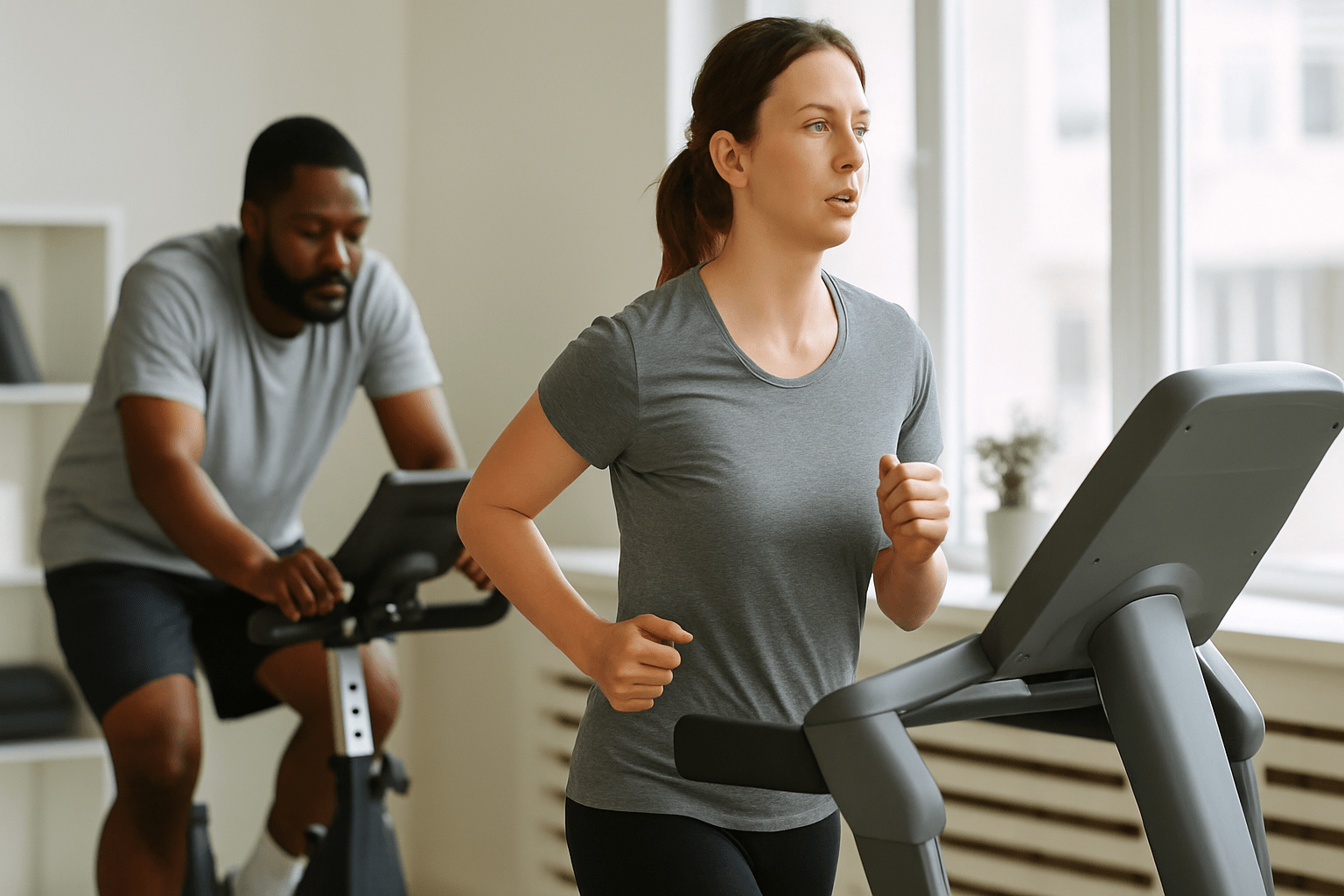
Moderate-intensity exercise is any activity that gets your heart rate up and makes you breathe harder, but you can still hold a conversation. Think brisk walking, casual cycling, water aerobics, or dancing around your living room. You’re working, but you’re not gasping for air.
Vigorous-intensity exercise, on the other hand, makes talking difficult. Running, swimming laps, playing basketball, or doing high-intensity interval training (HIIT) fall into this category. You’ll know you’re in the vigorous zone when you can only get out a few words at a time.
Both types count toward your weekly exercise goals, so mix and match based on what feels good for your body.
How Many Minutes of Exercise Per Day?
If you’re aiming for that 150-minute weekly target, you’re looking at about 30 minutes of exercise per day, five times a week. But you don’t have to do it all at once. Research shows that breaking it up into smaller chunks—like three 10-minute walks throughout the day—can be just as beneficial.
For those who prefer more intense workouts, 75 minutes per week of vigorous exercise breaks down to roughly 15-20 minutes per day if you’re working out five days a week.
The beautiful part? You can adjust this based on your schedule. Some people prefer longer workouts three times a week, while others like shorter daily sessions. Find what works for you and stick with it.
How Long Should You Work Out a Day to Build Muscle?
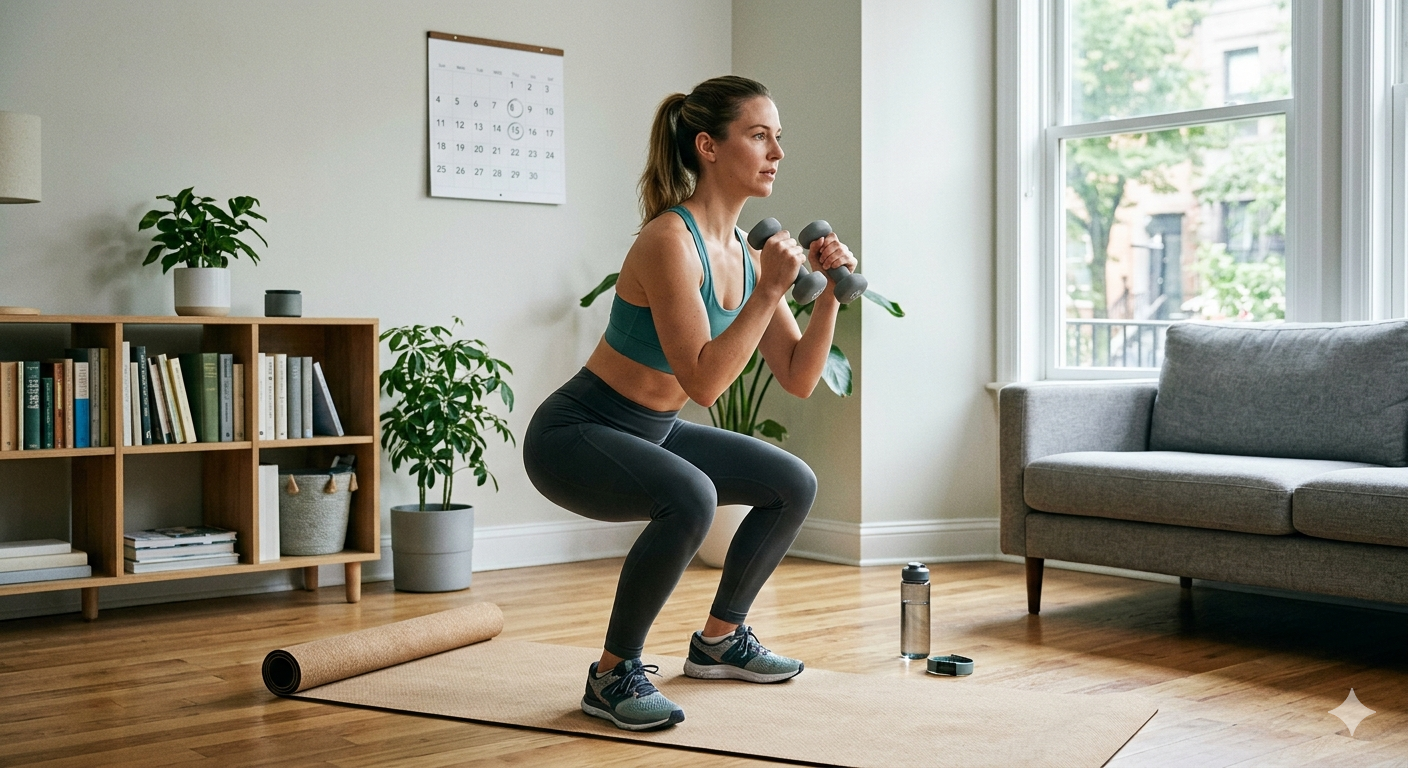
Now, if building muscle is your goal, the equation changes slightly. You’re not just looking at cardio—you need to incorporate strength training at least two to three times per week, targeting all major muscle groups.
A solid muscle-building workout typically takes 45 to 60 minutes, including warm-up and cool-down. This gives you enough time to work through multiple exercises, perform adequate sets and reps, and allow proper rest between sets.
Quality beats quantity here. You don’t need to spend two hours in the gym every day. In fact, your muscles need time to recover and grow, which brings us to an important question.
Should You Work Out Every Day to Gain Muscle?
Here’s a common misconception: more workouts equal more muscle. Not quite.
You don’t need to work out every single day to gain muscle. In fact, rest days are when the magic happens. When you lift weights, you’re creating tiny tears in your muscle fibers. Your body repairs these tears during rest, making your muscles stronger and bigger in the process.
Most fitness experts recommend 3 to 5 strength training sessions per week for muscle growth, with rest days in between to allow recovery. You can still do light activity on rest days—like walking or yoga—but your muscles need a break from heavy lifting.
Overtraining can actually hurt your progress, leading to fatigue, increased injury risk, and even muscle loss. Listen to your body. If you’re constantly sore, exhausted, or not seeing results, you might need more recovery time.
How Much Exercise Per Day to Lose Weight?
Weight loss is where things get a bit more individual. While the standard 150 minutes per week can help you maintain your weight, losing weight typically requires a bit more effort—though not as much as you might think.
For weight loss, many experts suggest aiming for 200 to 300 minutes of moderate-intensity exercise per week. That’s about 30 to 45 minutes most days of the week. Combine this with strength training twice a week to preserve muscle mass while you’re losing fat.
But here’s the real talk: exercise alone won’t do it. Weight loss is about 70% nutrition and 30% exercise. You can’t out-exercise a poor diet, so focus on creating a calorie deficit through a combination of healthy eating and regular movement.
Also, remember that the scale doesn’t tell the whole story. You might be building muscle while losing fat, which means the number might not drop as quickly as you’d like, but your body composition is improving.
Recommended Exercise by Age
Your exercise needs evolve as you age. Here’s a quick breakdown:
Children and Teens (5-17 years): At least 60 minutes of moderate to vigorous physical activity daily. This should include activities that strengthen muscles and bones at least three times per week.
Adults (18-64 years): 150 minutes of moderate-intensity or 75 minutes of vigorous-intensity aerobic activity per week, plus muscle-strengthening activities on two or more days.
Older Adults (65+ years): Same as adults, but with added emphasis on balance exercises to prevent falls. Activities like tai chi, yoga, or simple balance drills are excellent additions.
Pregnant and Postpartum Women: At least 150 minutes of moderate-intensity activity per week, with adjustments based on comfort and medical advice.
No matter your age, something is always better than nothing. Even 10 minutes of movement counts.
Exercise Do You Need It Daily?
So, do you actually need to exercise every single day? The short answer is no—but daily movement is beneficial.
You don’t need structured, intense workouts seven days a week. What you do need is regular physical activity. This could mean a mix of workout days and active rest days, where you’re still moving but not pushing hard.
Think of it this way: aim for intentional exercise most days of the week, but make every day an active day. Take the stairs, walk during lunch breaks, play with your kids, or do some light stretching. This keeps your body moving without the burnout that comes from forcing yourself to do hardcore workouts daily.
The best exercise routine is one you can actually stick to. If daily workouts make you dread getting out of bed, scale back. Find a rhythm that feels sustainable and enjoyable.
Creating Your Personal Exercise Plan
Here’s how to build a routine that works for you:
- Start where you are. If you’re currently sedentary, begin with 10-15 minutes of walking and gradually increase.
- Mix it up. Combine cardio, strength training, and flexibility work throughout the week.
- Schedule it. Treat workouts like appointments you can’t miss.
- Listen to your body. Rest when you need to, push when you can.
- Make it enjoyable. You’re far more likely to stick with activities you actually like.
Remember, the best workout is the one you’ll actually do. Don’t get caught up in what everyone else is doing. Focus on what works for your body, your goals, and your life.
Conclusion
How much exercise do you need daily? For general health, aim for 30 minutes of moderate activity most days. For muscle building, 45-60 minutes of strength training three to five times weekly. For weight loss, 30-45 minutes daily with proper nutrition.
But beyond the numbers, the most important thing is finding a sustainable routine that makes you feel good. Exercise shouldn’t be punishment—it’s a celebration of what your body can do. Start small, stay consistent, and adjust as you go. Your future self will thank you.
Frequently Asked Questions (FAQs)
Q: Can I split my 30 minutes of exercise throughout the day?
A: Absolutely! Studies show that breaking exercise into shorter segments (like three 10-minute sessions) provides similar health benefits to one continuous 30-minute workout.
Q: Is walking considered exercise?
A: Yes! Brisk walking is an excellent form of moderate-intensity exercise that counts toward your daily activity goals.
Q: How do I know if I’m doing moderate or vigorous exercise?
A: Use the “talk test.” During moderate exercise, you can talk but not sing. During vigorous exercise, you can only say a few words before needing to catch your breath.
Q: What if I can’t exercise for 30 minutes straight?
A: Start with what you can do—even 5 or 10 minutes makes a difference. Gradually increase your duration as your fitness improves.
Q: Do I need rest days from cardio?
A: While you can do light to moderate cardio daily, having at least one full rest day per week helps prevent overtraining and reduces injury risk.
Q: Can I build muscle with bodyweight exercises alone?
A: Yes! Bodyweight exercises like push-ups, squats, and lunges can effectively build muscle, especially for beginners. As you progress, you may need to add resistance.
Q: How long before I see results from regular exercise?
A: You’ll likely feel better within a few weeks (improved energy, mood, and sleep). Visible physical changes typically take 6-8 weeks of consistent exercise and proper nutrition.

Faisal is the founder and content creator of The Workout Haven, a fitness and wellness blog focused on home workouts, weight loss, strength training, yoga, and healthy lifestyle habits. He creates easy-to-follow, beginner-friendly fitness guides backed by research, practical experience, and real-world application. Faisal’s goal is to help people stay active, build strength, and improve overall health—no gym or expensive equipment required.