



Hybrid Training Workout Plan: The Complete Guide to Building Strength and Endurance

Table of Contents
If you’ve been stuck choosing between cardio and strength training, here’s some good news: you don’t have to pick one anymore. Hybrid training combines the best of both worlds, helping you build muscle while improving your cardiovascular fitness at the same time. This approach has taken the fitness world by storm, and for good reason—it delivers results that traditional single-focus workouts simply can’t match.
What Is Hybrid Training?
Hybrid training is a fitness approach that blends strength training with cardiovascular exercise in a single workout or program. Instead of dedicating separate days to lifting weights and running, hybrid training integrates both elements, creating a more efficient and functional fitness routine. Think of it as cross-training on steroids, designed to make you stronger, faster, and more resilient.
The beauty of hybrid training workouts lies in their versatility. You might do a circuit that alternates between kettlebell swings and rowing intervals, or combine heavy squats with sprint work. This method challenges your body in multiple ways simultaneously, leading to improved overall fitness rather than just excelling in one area.
Why Hybrid Training Workouts Are Game-Changers
Traditional training methods often create imbalances. Runners might have great endurance but lack upper-body strength. Powerlifters might be incredibly strong, but they get winded climbing stairs. Hybrid training eliminates these gaps by developing multiple fitness qualities at once.
Research shows that combining resistance training with cardiovascular exercise produces superior results for fat loss, metabolic health, and functional fitness compared to doing either alone. Your body becomes more adaptable, your workouts become more time-efficient, and you develop the kind of well-rounded fitness that translates to real-world activities.
Beyond the physical benefits, hybrid training keeps your workouts fresh and engaging. The variety prevents boredom and reduces the risk of overuse injuries that often plague people who do the same type of training day after day.
Building Your Hybrid Training Workout Plan
Creating an effective hybrid training workout plan requires thoughtful programming that balances intensity, volume, and recovery. The goal is to challenge both your muscular and cardiovascular systems without overtraining.
Start by identifying your primary goal. Are you focused on fat loss, building muscle, improving athletic performance, or general fitness? Your answer will determine how you structure your hybrid sessions. For instance, a hybrid training workout plan for weight loss might emphasize higher-rep circuits with shorter rest periods, while someone focused on strength might use heavier loads with cardio intervals between sets.
A typical week might include three to four hybrid sessions, with each workout lasting 45-60 minutes. This frequency allows adequate recovery while providing enough stimulus for adaptation. You can organize your training by movement patterns (push, pull, legs, plus cardio) or by workout style (circuits, complexes, intervals).
Hybrid Training Workout Plan for Beginners
If you’re new to hybrid training, starting simple is crucial. Your body needs time to adapt to the unique demands of combining strength and cardio work. Jumping into advanced protocols too quickly leads to burnout, injury, or both.
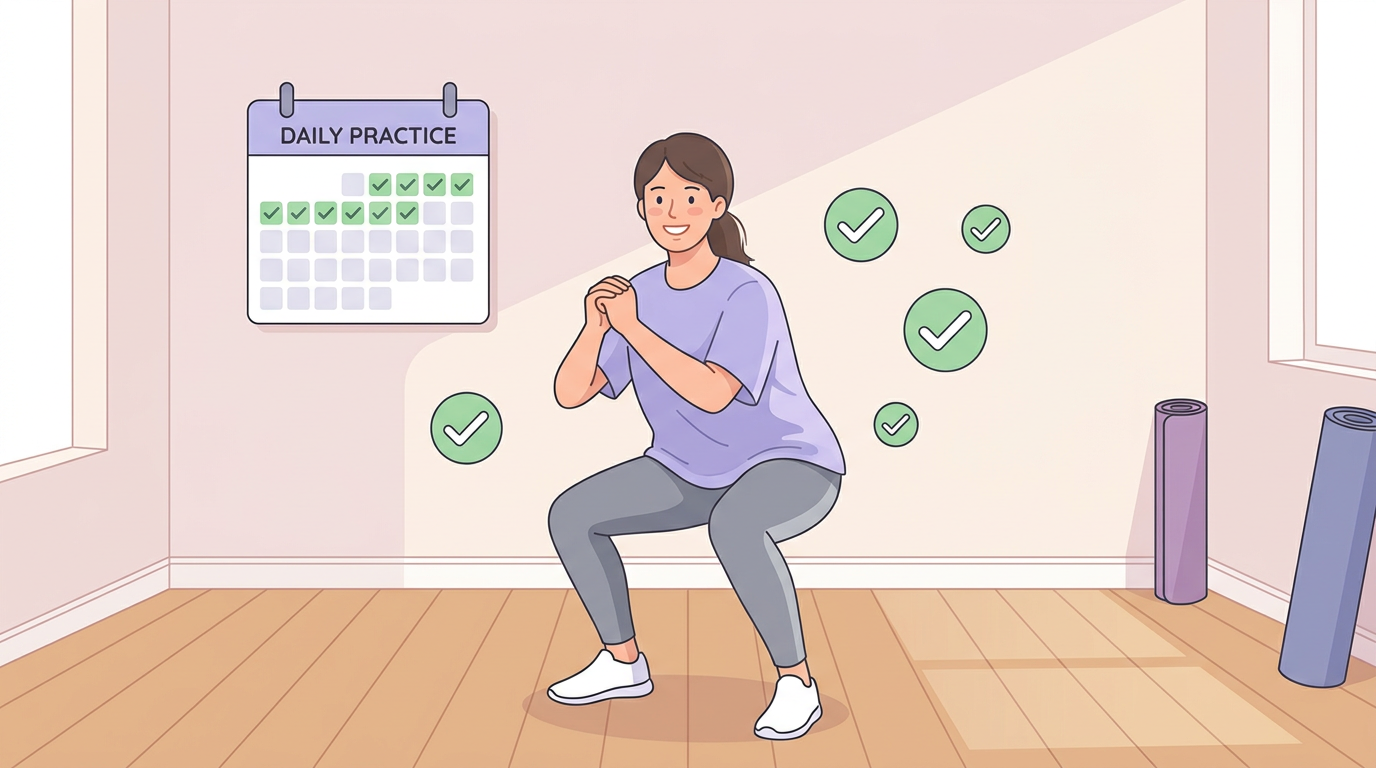
Begin with basic movements you can perform with good form: bodyweight squats, push-ups, rows, and simple cardio like walking lunges or jumping jacks. A beginner-friendly session might look like this: perform 10 squats, 10 push-ups, and 30 seconds of high knees, then rest for one minute. Repeat this circuit 4-6 times.
As you build conditioning over 4-6 weeks, gradually increase the difficulty by adding weight, reducing rest periods, or incorporating more complex movements. The key is progressive overload—consistently challenging your body a little more over time without overwhelming it.
Listen to your body during this adaptation phase. Some muscle soreness is normal, but joint pain or extreme fatigue signals you need more recovery. Quality always trumps quantity, especially when you’re establishing the foundation for long-term success.
ProForm Hybrid Trainer Workouts and Equipment
The ProForm hybrid trainer has become popular for good reason—it combines an elliptical and a recumbent bike in one machine, offering versatility for hybrid training at home. ProForm hybrid trainer workouts can seamlessly integrate with your strength training, providing low-impact cardio options between resistance exercises.
Smart workouts on the ProForm hybrid trainer often include pre-programmed intervals that automatically adjust resistance and incline. You might use it for active recovery between strength sets, perform dedicated HIIT sessions, or use it for steady-state cardio on lighter training days.
To maximize your ProForm hybrid trainer smart workouts, try alternating between seated cycling and standing elliptical positions every 2-3 minutes. This variation challenges different muscle groups and keeps your heart rate elevated. Pairing 15-20 minutes on the hybrid trainer with a 30-minute strength session creates an efficient full-body workout.
Pilates Strength Training Hybrid Workout
Combining Pilates with traditional strength training creates a unique hybrid that emphasizes core stability, mobility, and functional strength. A Pilates strength training hybrid workout merges the mind-body connection and controlled movements of Pilates with the progressive overload principles of resistance training.
This approach works exceptionally well for people who want to build strength without excessive muscle bulk or for those recovering from injuries. The Pilates component improves movement quality and body awareness, while the strength training builds muscle and bone density.
A sample session might start with 10 minutes of Pilates mat work focusing on core activation and breathing. Then transition to strength exercises like goblet squats, dumbbell rows, and shoulder presses, but performed with Pilates principles—controlled tempo, focused breathing, and intentional muscle engagement. Finish with 10 minutes of Pilates-based stretching and mobility work.
Hybrid Training Workout Plan for Weight Loss
When fat loss is your primary goal, your hybrid training workout plan for weight loss should emphasize metabolic conditioning while preserving muscle mass. This means combining resistance training to maintain muscle with high-intensity cardio to maximize calorie burn.
Circuit training proves particularly effective for this goal. Perform 4-6 exercises back-to-back with minimal rest, combining compound strength movements with cardio bursts. For example: dumbbell thrusters, kettlebell swings, battle rope slams, box jumps, and rowing intervals. Complete 3-5 rounds with 60-90 seconds of rest between circuits.
The key to sustainable fat loss through hybrid training is consistency and progressive challenge, not extreme deprivation or unsustainable workout volumes. Aim for 3-4 sessions per week, maintain a moderate calorie deficit through nutrition, and prioritize protein intake to preserve muscle during weight loss.
Remember that nutrition drives fat loss more than exercise alone. Your hybrid workouts create the stimulus for change, but your food choices determine whether you actually shed pounds. Track your progress through measurements, photos, and how your clothes fit rather than obsessing over the scale.
Best Hybrid Training Exercises
The most effective exercises for hybrid training are compound movements that engage multiple muscle groups and elevate heart rate. These movements give you the biggest return on your training investment.
Kettlebell swings top the list—they build posterior chain strength while providing cardiovascular conditioning. Thrusters (a front squat combined with an overhead press) challenge your entire body and gas your lungs quickly. Turkish get-ups develop total-body strength, coordination, and stability.
Rowing, whether on a machine or with dumbbells, combines pulling strength with cardio endurance. Sled pushes and pulls build lower-body power and conditioning simultaneously. Battle ropes develop upper body endurance and core stability while spiking heart rate.
Burpees, though often dreaded, remain one of the most efficient hybrid exercises you can do. Box jumps build explosive power and elevate heart rate. Even basic exercises like push-ups or squats become hybrid movements when performed in timed circuits with minimal rest.
Programming Strategies and Training Principles
Effective hybrid training follows specific principles that maximize results while managing fatigue. Understanding these concepts helps you design better workouts and avoid common pitfalls.
The 5-3-1 rule, popularized by strength coach Jim Wendler, refers to a periodization scheme where you perform 5 reps at a moderate weight, 3 reps at a heavier weight, and 1 rep at your heaviest weight across different training weeks. While originally designed for pure strength training, this concept applies to hybrid training by cycling between different rep ranges and intensities to prevent plateaus.
The 3-3-3 rule for working out is another useful framework: train 3 times per week, for 3 weeks at a time, with 3 main exercises per session. This creates a sustainable routine with enough frequency for adaptation, sufficient duration for measurable progress, and a manageable exercise selection that prevents overwhelm.
Periodization remains crucial in hybrid training. Don’t try to max out strength and conditioning simultaneously every week. Instead, emphasize one quality while maintaining the other, then switch focus. For example, spend 4 weeks prioritizing strength with moderate conditioning work, then shift to 4 weeks of higher-intensity conditioning with maintenance strength training.
Sample Weekly Hybrid Training Schedule
Here’s a practical template you can adapt to your fitness level and goals:
Monday – Lower Body Strength + Cardio Intervals Start with heavy compound lifts like squats or deadlifts for 4-5 sets of 3-6 reps. Follow with 15 minutes of intervals: 30 seconds of rowing or cycling at high intensity, 90 seconds easy. Finish with mobility work.
Wednesday – Upper Body Circuits Create 3-4 circuits pairing strength exercises with cardio bursts. Example: 8 dumbbell bench presses, 10 battle rope slams, 8 bent-over rows, 30 seconds of jump rope. Complete 4 rounds of each circuit.
Friday – Full Body Metabolic Conditioning Focus on complex movements performed in EMOM (every minute on the minute) format. Minute 1: 10 kettlebell swings, Minute 2: 8 thrusters, Minute 3: 6 burpees, Minute 4: rest. Repeat for 20-30 minutes.
Saturday or Sunday – Active Recovery or Pilates Hybrid: Low-intensity movement focusing on mobility, core work, and light cardio. This session aids recovery while maintaining movement quality.
Common Mistakes to Avoid
Even experienced athletes make errors when starting hybrid training. The most common mistake is doing too much too soon—your body needs time to adapt to the combined demands of strength and cardio work simultaneously.
Another pitfall is neglecting recovery. Hybrid training is demanding, and many people underestimate their need for sleep, nutrition, and rest days. If your performance starts declining or you feel constantly fatigued, you’re probably not recovering adequately.
Poor exercise selection also hampers results. Choosing isolation exercises or movements that don’t transfer well to both strength and conditioning wastes time and energy. Stick primarily to compound movements that deliver multi-system benefits.
Finally, many people fail to track progress beyond the scale. Record your workout performance, take measurements, note energy levels, and monitor how your clothes fit. These metrics often reveal positive changes before the number on the scale budges.
Nutrition for Hybrid Training
Your nutrition strategy must support both muscle building and cardiovascular performance. This means adequate protein for recovery (0.7-1 gram per pound of body weight), sufficient carbohydrates to fuel high-intensity work, and healthy fats for hormonal health.
Timing matters for hybrid athletes. Consuming carbohydrates and protein within 2 hours after training optimizes recovery. On higher-volume training days, you’ll need more total calories and carbohydrates than on rest days. Listen to your hunger cues and adjust accordingly.
Hydration becomes even more critical with hybrid training since you’re sweating from both the cardio and strength components. Aim for at least half your body weight in ounces of water daily, more on training days or in hot weather.
Frequently Asked Questions
What is hybrid workout training?
Hybrid workout training combines strength training and cardiovascular exercise within the same workout or training program. Instead of separating weightlifting days from cardio days, hybrid training integrates both components to build muscle, improve endurance, and enhance overall fitness simultaneously. This approach creates a well-rounded athlete capable of both strength and endurance activities.
What is the 5-3-1 rule?
The 5-3-1 rule is a periodization framework originally developed by Jim Wendler for strength training. It involves performing 5 reps at a moderate weight, 3 reps at a heavier weight, and 1 rep at your near-maximum weight across different training weeks or cycles. This principle helps athletes systematically increase strength by varying rep ranges and intensity levels, preventing plateaus and promoting consistent progress over time.
What are the best hybrid training exercises?
The best hybrid training exercises are compound movements that challenge multiple muscle groups while elevating heart rate. Top choices include kettlebell swings, thrusters (squat to overhead press), burpees, rowing (machine or dumbbell), sled pushes, battle ropes, box jumps, Turkish get-ups, and clean and press. These exercises deliver both strength and cardiovascular benefits, making them extremely efficient for hybrid training programs.
What is the 3-3-3 rule for working out?
The 3-3-3 rule for working out is a simple framework for creating sustainable fitness routines. It suggests training 3 times per week, maintaining that schedule for 3 weeks at a time, and focusing on 3 main exercises per session. This approach provides enough training frequency for adaptation, sufficient duration to measure progress, and a manageable exercise selection that prevents overwhelm while building consistent habits.
Your Next Steps
Hybrid training offers a smarter, more efficient path to total fitness. Whether you’re a beginner just starting out or an experienced athlete looking to break through plateaus, combining strength and cardio work creates synergistic benefits that neither approach delivers alone.
Start where you are, not where you think you should be. Choose a beginner-friendly hybrid training workout plan if you’re new to fitness, or jump into more advanced protocols if you have a solid training foundation. The important thing is to begin and stay consistent.
Track your progress, adjust your program based on results, and remember that the best training plan is the one you’ll actually stick with long-term. Hybrid training might just be the sustainable approach you’ve been searching for—one that delivers real-world fitness you can use in everyday life, not just numbers on a barbell or a stopwatch.

Faisal is the founder and content creator of The Workout Haven, a fitness and wellness blog focused on home workouts, weight loss, strength training, yoga, and healthy lifestyle habits. He creates easy-to-follow, beginner-friendly fitness guides backed by research, practical experience, and real-world application. Faisal’s goal is to help people stay active, build strength, and improve overall health—no gym or expensive equipment required.