


Pilates Reformer Routine: Your Complete Guide to Transforming Your Practice
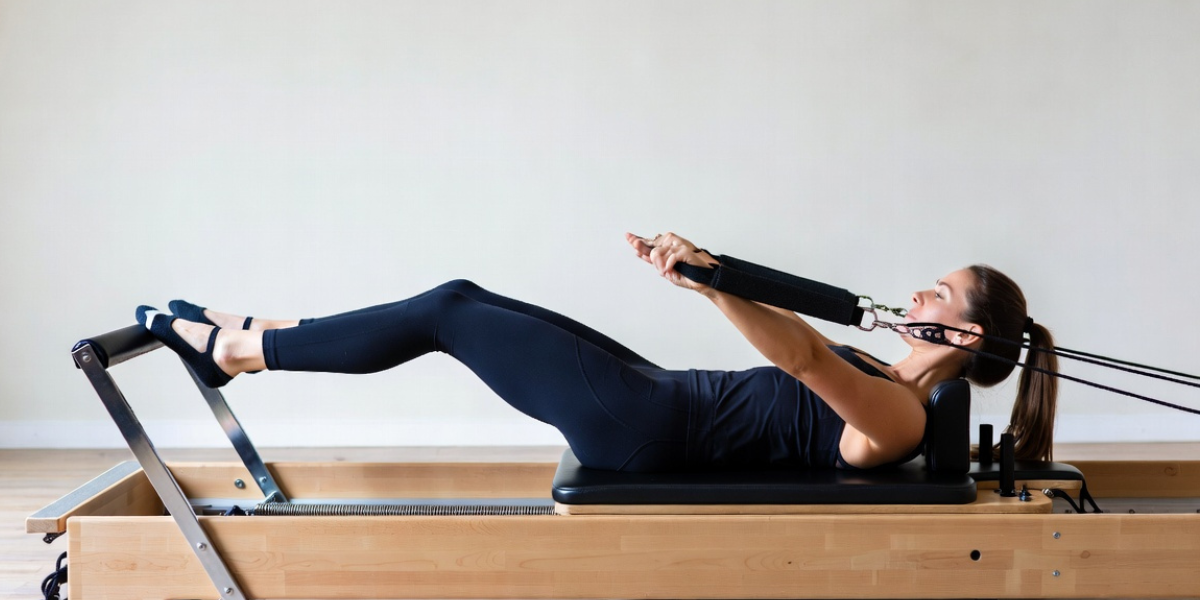
Table of Contents
Introduction
If you’ve been curious about taking your fitness to the next level, a pilates reformer routine might be exactly what you need. Unlike traditional mat Pilates, the reformer adds resistance and support that can transform your workout experience. Whether you’re rolling out your mat for a morning pilates routine or heading to your favorite studio for a circuit pilates reformer class, understanding how to structure your practice makes all the difference.
The pilates bed reformer (as some call it, though it’s far from restful!) offers a unique combination of springs, straps, and a sliding carriage that challenges your muscles in ways mat work simply can’t replicate. In this guide, we’ll walk through everything you need to know about creating an effective Pilates reformer workout routine that fits your lifestyle and goals.
What Makes the Pilates Reformer Different?
The reformer looks like a bed frame with a sliding platform, but don’t let its appearance fool you. This piece of equipment was designed by Joseph Pilates himself to provide resistance training that lengthens and strengthens muscles simultaneously. The springs can be adjusted to increase or decrease resistance, making it perfect for beginners and advanced practitioners alike.
What sets a pilates routine on the reformer apart from other workouts is the focus on controlled, precise movements. You’re not just building strength—you’re developing body awareness, improving posture, and creating lean muscle tone. The unstable surface of the moving carriage also engages your core with every single exercise, giving you an incredible full-body workout.
Building Your Perfect Pilates Reformer Routine
Understanding the Basics
Before diving into complex sequences, it’s essential to understand the fundamental movements. Every pilates reformer workout routine should include exercises that target your core, legs, arms, and back. The beauty of the reformer is that many exercises work multiple muscle groups at once.
A well-rounded routine typically lasts between 45 to 60 minutes and includes a warm-up, main workout sequence, and cool-down. The reformer allows for smooth transitions between exercises, creating a flowing practice that keeps your heart rate elevated while maintaining that mind-body connection Pilates is known for.
The Morning Pilates Routine Advantage
Starting your day with a morning pilates routine on the reformer can be transformative. There’s something about exercising first thing that sets a positive tone for your entire day. A morning session doesn’t need to be lengthy—even 30 minutes on the reformer can wake up your muscles and get your blood flowing.
For morning workouts, focus on exercises that gently wake up your body. Begin with footwork to activate your legs and core, then move into exercises like the hundred to get your circulation going. The reformer’s support is particularly beneficial in the morning when your muscles might be tight from sleep. The resistance helps you ease into movement without shocking your system.
Standing Pilates Routine on the Reformer
While many people think of the reformer as equipment you lie on, a standing pilates routine incorporates vertical exercises that challenge your balance and core stability in entirely new ways. Standing exercises on the reformer include lunges, side splits, and standing leg presses that engage your entire body.
These standing variations are excellent for athletes or anyone looking to improve their functional fitness. When you’re standing on the moving carriage or with one foot on the platform and one on the carriage, your stabilizer muscles work overtime. This translates to better balance and coordination in your daily life.
Circuit Pilates Reformer Workouts
The circuit pilates reformer approach has gained popularity for good reason. This method involves moving through a series of exercises with minimal rest between each one, keeping your heart rate elevated throughout the session. Circuit training on the reformer combines the strengthening benefits of Pilates with cardiovascular conditioning.
A typical circuit might include 45 seconds of work followed by 15 seconds of transition time. You might start with footwork, move to leg circles, transition to arms with the straps, then into core work, and continue cycling through different muscle groups. This approach is time-efficient and incredibly effective for building strength and endurance simultaneously.
The Routine Ventura Pilates Method
Studios like the routine Ventura Pilates have developed signature approaches that blend classical Pilates principles with contemporary training methods. While specific studio sequences vary, the emphasis remains on proper form, breath work, and progressive challenge. These specialized routines often incorporate music, specific pacing, and creative exercise combinations that keep classes engaging.
What makes studio-specific routines valuable is the consistency and community they provide. When you follow a structured program like those offered at dedicated Pilates studios, you benefit from progressive training that builds upon each session. The reformer becomes familiar territory, allowing you to focus on deepening your practice rather than wondering what comes next.
Essential Exercises for Your Pilates Reformer Workout Routine
Footwork Series
Every strong pilates reformer routine begins with footwork. This foundational series warms up your legs, activates your core, and establishes the breathing pattern for your entire workout. Position yourself lying on the carriage with your feet on the footbar. Press out and control the return, focusing on smooth, even movements.
Vary your foot positions—toes, arches, heels, and single-leg variations—to target different muscle groups. The spring resistance challenges your legs while the unstable carriage demands core engagement. This seemingly simple exercise sequence builds incredible leg strength and prepares your body for more complex movements.
The Hundred
This classic Pilates exercise becomes even more challenging on the reformer. The straps add resistance to the arm-pumping motion, while your legs can be positioned in various ways to adjust intensity. The hundred gets your blood pumping, warms up your entire body, and sets the energetic tone for your workout.
Long Stretch Series
The long stretch, down stretch, and up stretch trilogy challenges your entire body. These exercises build serious core strength, improve shoulder stability, and develop the kind of full-body control that makes Pilates practitioners so strong and graceful. The moving carriage adds an element of instability that magnifies the benefits.
Leg Circles and Straps Work
With your feet in the straps, you can perform leg circles, scissors, bicycle movements, and numerous variations. These exercises develop hip mobility, core strength, and leg definition. The reformer’s support for your back makes these movements accessible even for those with lower back sensitivity.
Short Box Series
Sitting on the box attached to your reformer, you’ll work through various spinal movements—round back, flat back, side reaches, and twists. This series builds core strength, improves spinal flexibility, and develops the kind of posture that makes you stand taller off the reformer.
Creating Your Personalized Pilates Routine
Everyone’s body is different, which means your ideal pilates reformer workout routine should reflect your unique needs, goals, and schedule. If you’re new to the reformer, start with two to three sessions per week, allowing rest days between for muscle recovery. As you build strength and familiarity, you can increase frequency to four or five times weekly.
Consider your goals when structuring your routine. If you’re focused on building strength, incorporate more spring resistance and power-based movements. For flexibility and length, reduce spring tension and emphasize stretching exercises. Most practitioners benefit from a balanced approach that includes both elements.
The Pilates bed reformer truly shines when you establish consistency. Your body adapts and strengthens with regular practice, allowing you to progress to more challenging variations. What felt difficult in week one becomes your warm-up by week eight. This progressive nature keeps the practice engaging and rewarding.
Maximizing Your Reformer Experience
Breath and Movement Connection
One element that distinguishes Pilates from other fitness methods is the emphasis on breath. On the reformer, coordinating your breath with movement becomes even more important. Generally, exhale during the exertion phase and inhale during the recovery. This breathing pattern supports your core engagement and helps you move with greater control.
Quality Over Quantity
It’s tempting to rush through exercises or add extra repetitions, but Pilates is about precision. Five perfectly executed repetitions with full concentration trump fifteen sloppy ones every time. The reformer provides immediate feedback—if you’re not moving smoothly or if the carriage bumps, your form needs adjustment.
Progressive Overload
As with any fitness program, your body needs progressive challenge to continue improving. On the reformer, this might mean adding spring resistance, increasing repetitions, trying more advanced variations, or reducing rest between exercises. Track your progress and intentionally challenge yourself to grow.
Common Mistakes to Avoid
Even experienced practitioners can fall into habits that limit their progress. Rushing through transitions wastes the valuable opportunity to engage your core between exercises. Gripping the straps too tightly or pressing your head into the headrest indicates tension that should be released. The reformer should move smoothly and quietly—if you hear banging or jerky movements, slow down and focus on control.
Another common mistake is neglecting proper reformer setup. Spring settings, footbar height, and strap length all matter. Taking an extra minute to adjust your equipment prevents injury and ensures you get the most from each exercise.
Conclusion
A well-designed pilates reformer routine offers something truly special—a workout that strengthens without bulking, challenges without overwhelming, and energizes without exhausting. Whether you prefer a morning pilates routine to start your day, a standing pilates routine for functional fitness, or a circuit pilates reformer class for cardiovascular benefits, the reformer adapts to meet your needs.
The pilates reformer workout routine you create today becomes the foundation for lasting strength, flexibility, and body awareness. Studios like the routine Ventura Pilates demonstrate how structured programs build communities of strong, dedicated practitioners. But ultimately, your practice is personal. The pilates bed reformer awaits your unique interpretation, ready to challenge and support you through every session.
Start where you are, use what you have, and commit to the process. Your body will thank you with improved posture, increased strength, and that unmistakable Pilates grace that comes from regular reformer practice.
Frequently Asked Questions
How often should I do a pilates reformer routine?
For beginners, 2-3 times per week is ideal, allowing rest days for muscle recovery. Intermediate and advanced practitioners can safely practice 4-5 times weekly. Listen to your body and ensure you’re getting adequate recovery between sessions.
Can I do a pilates reformer workout routine at home?
Yes, though reformers are a significant investment ($300-$3,000+). Many people start with studio classes to learn proper form, then transition to home practice. If purchasing a reformer, ensure you have proper instruction before training independently to avoid injury.
What’s the difference between a morning pilates routine and an evening session?
Morning sessions tend to be gentler, focusing on waking up the body and establishing energy for the day. Evening sessions might be more intense, helping release stress accumulated throughout the day. Both are effective—choose based on your schedule and energy patterns.
Is a standing pilates routine harder than lying down exercises?
Standing exercises challenge balance and stability differently than horizontal work. They’re not necessarily harder, just different. Standing variations are excellent for functional fitness and athletic performance, while traditional positions allow for isolation of specific muscle groups.
How long does it take to see results from a pilates reformer workout routine?
Most people notice improved posture and body awareness within 2-3 weeks. Visible muscle tone and strength gains typically appear around the 8-12 week mark with consistent practice (3+ times weekly). Joseph Pilates himself said, “In 10 sessions you’ll feel the difference, in 20 you’ll see the difference, and in 30 you’ll have a whole new body.”
What should I wear for circuit pilates reformer classes?
Wear fitted clothing that allows you to see your body alignment—loose clothes can get caught in the reformer’s mechanisms. Grip socks are recommended for standing exercises. Avoid jewelry that might catch on straps or springs.

Faisal is the founder and content creator of The Workout Haven, a fitness and wellness blog focused on home workouts, weight loss, strength training, yoga, and healthy lifestyle habits. He creates easy-to-follow, beginner-friendly fitness guides backed by research, practical experience, and real-world application. Faisal’s goal is to help people stay active, build strength, and improve overall health—no gym or expensive equipment required.