
Pilates Workout at Home for Beginners No Equipment
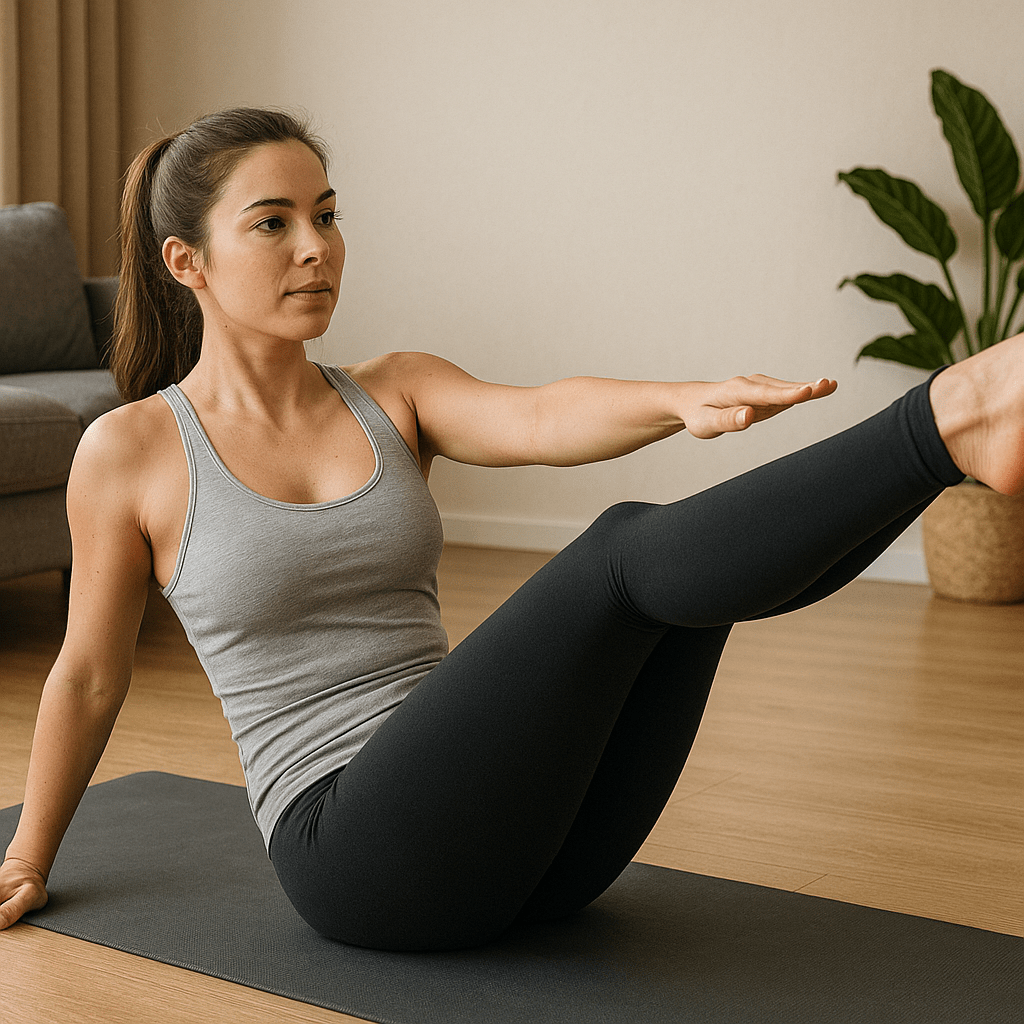
Table of Contents
Introduction
Starting a fitness routine can feel overwhelming, especially when you’re not sure where to begin or what equipment you need. The good news? You don’t need a fancy gym membership or expensive equipment to transform your body and mind. A pilates workout at home is one of the most accessible and effective ways to build strength, improve flexibility, and enhance your overall wellbeing—all from the comfort of your living room.
Whether you’re looking for pilates for beginners at home free or a structured full body pilates workout at home for beginners no equipment, this guide will walk you through everything you need to know to get started. Pilates is gentle on your joints, focuses on controlled movements, and can be adapted to any fitness level, making it perfect for everyone, including those searching for pilates for beginners over 50.
What Makes Pilates Perfect for Home Workouts?
Pilates stands out from other exercise methods because it emphasizes quality over quantity. You won’t need to do countless repetitions or push yourself to exhaustion. Instead, Pilates focuses on precise, controlled movements that engage your core and improve your body awareness.
The beauty of a pilates workout at home for beginners no equipment free is that your body becomes your gym. Using your own body weight as resistance, you’ll strengthen muscles you didn’t even know you had. Plus, all you need is a comfortable space and perhaps a yoga mat or towel for cushioning.
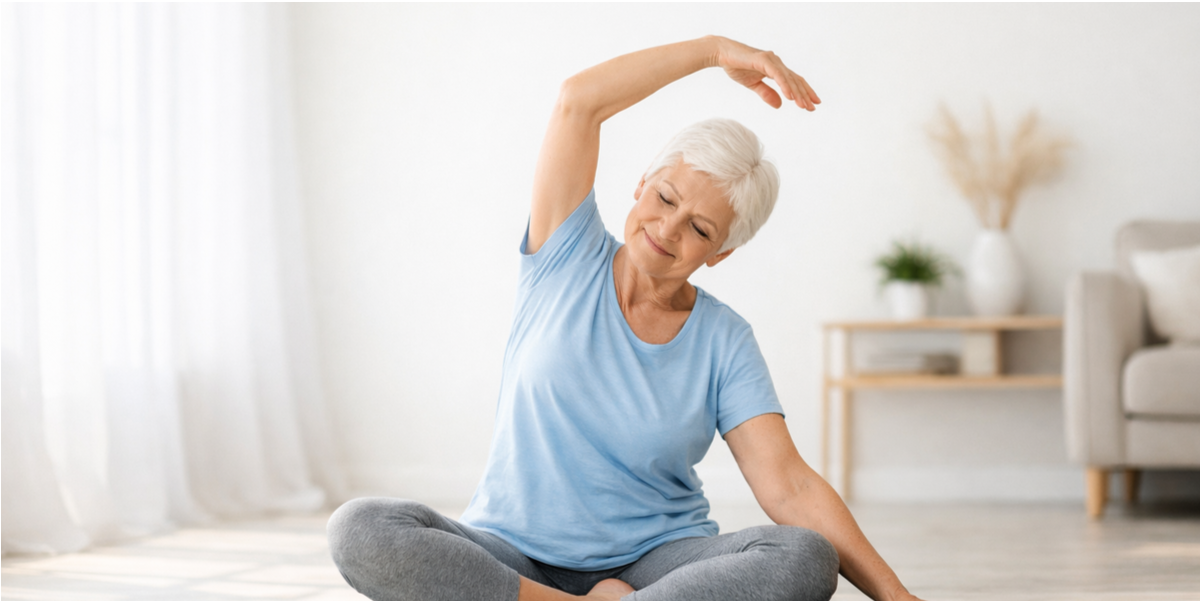
For those over 50, Pilates offers low-impact exercises that protect your joints while still providing an effective workout. It’s never too late to start, and you’ll be amazed at how quickly you notice improvements in your posture, balance, and core strength.
Essential Pilates Principles Every Beginner Should Know
Before diving into specific exercises, understanding the core principles of Pilates will help you get the most out of your practice:
Breathing: Pilates uses lateral breathing, where you breathe into the sides and back of your ribcage rather than your belly. This helps keep your core engaged throughout each movement.
Concentration: Every movement in Pilates is intentional. Focus on what your body is doing and how each muscle feels as you move.
Control: Rather than rushing through exercises, move slowly and with precision. This is what makes Pilates so effective, even without equipment.
Centering: All Pilates movements originate from your “powerhouse”—the area between your ribs and hips that includes your core muscles.
Precision: Quality always trumps quantity. It’s better to do five perfect repetitions than twenty sloppy ones.
Flow: Movements should transition smoothly from one to the next, creating a graceful, continuous workout.
Your First Full Body Pilates Workout at Home for Beginners No Equipment
Ready to try your first pilates workout at home? This routine targets your entire body and can be completed in just 20-30 minutes. Remember to listen to your body and modify any exercises that feel too challenging.
Warm-Up: Pelvic Tilts (2 minutes)
Lie on your back with knees bent and feet flat on the floor. Gently tilt your pelvis, pressing your lower back into the mat, then release. This warms up your spine and helps you connect with your core. Repeat 10-15 times, breathing naturally.
The Hundred (Modified for Beginners)
This classic Pilates exercise gets your blood pumping and strengthens your core. Lie on your back with knees bent at a 90-degree angle, shins parallel to the floor. Lift your head and shoulders slightly off the mat, extending your arms alongside your body. Pulse your arms up and down in small movements while breathing in for five pulses and out for five pulses. Start with 30-50 pulses and work your way up.
Single Leg Stretch
Remaining on your back, hug your right knee toward your chest while extending your left leg at a 45-degree angle. Switch legs in a smooth, controlled motion, pulling each knee in as the other extends. This exercise works your core and improves coordination. Complete 10 repetitions on each side.
Bridge
Bridges are excellent for strengthening your glutes, hamstrings, and lower back. Lie on your back with knees bent and feet hip-width apart. Press through your heels to lift your hips toward the ceiling, creating a straight line from your knees to your shoulders. Hold for a few breaths, then slowly lower down. Repeat 10-12 times.
Side-Lying Leg Lifts
Turn onto your right side, stacking your hips and shoulders. Support your head with your right hand and place your left hand on the floor in front of you for stability. Keeping your left leg straight, lift it to hip height, then lower with control. Complete 10 lifts on each side. This targets your outer thighs and hip stabilizers.
Swimming
Lie on your stomach with arms extended overhead and legs straight. Lift your right arm and left leg simultaneously, then switch to the opposite arm and leg in a flutter motion, as if you’re swimming. This strengthens your back muscles and improves coordination. Continue for 30-60 seconds.
Spine Stretch Forward
Sit tall with legs extended in front of you, feet flexed, and arms reaching forward at shoulder height. Inhale to prepare, then exhale as you round forward, reaching toward your toes while keeping your core engaged. This stretches your spine and hamstrings beautifully. Repeat 5-8 times.
Cool Down: Child’s Pose (2 minutes)
Kneel on the floor, sit back on your heels, and stretch your arms forward, lowering your forehead to the mat. Breathe deeply and allow your body to relax completely.
Tips for Success with Pilates for Beginners at Home
Starting any new exercise routine comes with a learning curve, but these tips will help you stay motivated and see results:
Start Small: Don’t feel like you need to complete an hour-long workout on day one. Even 10-15 minutes of focused Pilates practice is beneficial. Consistency matters more than duration.
Create a Dedicated Space: Having a specific area in your home for workouts helps you stay committed. You don’t need much room—just enough space to lie down and stretch your arms and legs.
Use Online Resources: There are countless free Pilates videos and tutorials available online. Following along with an instructor can help you learn proper form and stay motivated.
Listen to Your Body: Pilates should challenge you, but it shouldn’t cause pain. If something doesn’t feel right, modify the exercise or skip it entirely. This is especially important for pilates for beginners over 50.
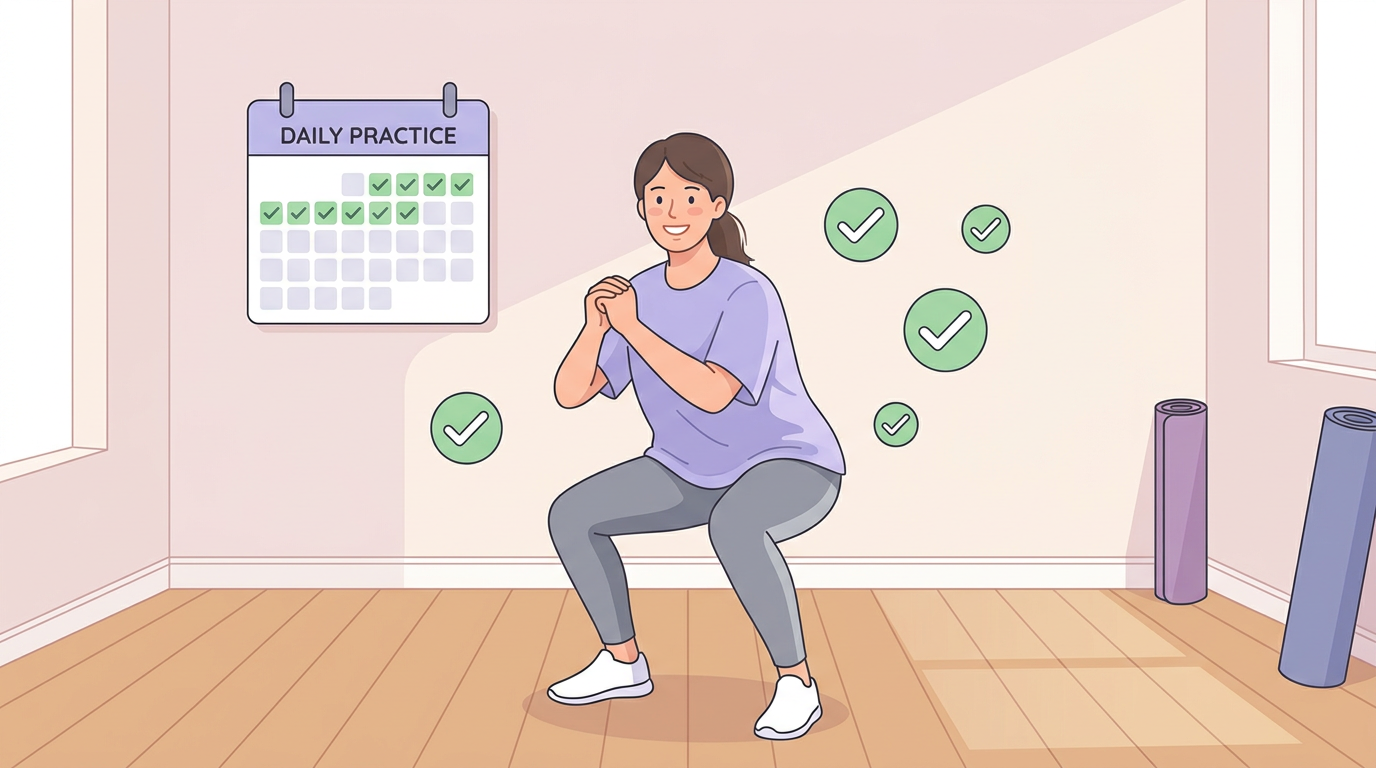
Track Your Progress: Keep a simple journal noting which exercises you completed and how you felt. You’ll be encouraged to see how quickly your strength and flexibility improve.
Be Patient: Results won’t happen overnight, but with consistent practice, most people notice improvements in posture and core strength within 2-3 weeks.
Special Considerations for Pilates for Beginners Over 50
Age is truly just a number when it comes to Pilates. In fact, many people discover Pilates later in life and wish they’d started sooner. If you’re over 50, here are some modifications to keep in mind:
Focus on building a strong foundation before progressing to more challenging variations. There’s no rush. Take extra time warming up your joints and muscles before beginning your workout. Gentle movements and stretches prepare your body for exercise.
If you have osteoporosis or osteopenia, avoid exercises that involve spinal flexion (rounding forward) and focus on those that strengthen your back extensors. Always consult with your healthcare provider before starting a new exercise program.
Use props when needed—a rolled towel under your neck, a cushion for your knees, or a wall for balance support. These small adjustments make exercises more accessible without compromising effectiveness.
Building Your Weekly Pilates Routine
Consistency is key to seeing results from your pilates workout at home for beginners. Aim for 3-4 sessions per week, allowing rest days in between for recovery. As you become more comfortable with the basic exercises, you can gradually increase the duration and intensity of your workouts.
A balanced weekly schedule might look like this: Monday and Thursday for full-body Pilates workouts, Tuesday for a core-focused session, and Friday for a flexibility and stretching routine. Weekend days can be for gentle movement or complete rest, depending on how your body feels.
Remember, the pilates workout at home free approach means you can exercise on your schedule without worrying about class times or gym hours. This flexibility makes it easier to stay consistent, which is what truly brings results.
Common Mistakes to Avoid
Even with the best intentions, beginners often make these common mistakes. Being aware of them will help you progress more safely and effectively:
Holding Your Breath: Breathing is fundamental to Pilates. Never hold your breath during exercises. Instead, coordinate your breath with each movement.
Rushing Through Movements: Slow and controlled is always better than fast and sloppy. Take your time with each repetition.
Neglecting Proper Alignment: Check in with your body throughout your workout. Are your shoulders down and back? Is your neck relaxed? Is your spine in a neutral position?
Comparing Yourself to Others: Everyone’s body is different, and everyone progresses at their own pace. Focus on your own journey rather than what you see on social media or in videos.
Conclusion: Your Pilates Journey Starts Now
Embarking on a pilates workout at home for beginners no equipment journey is one of the best gifts you can give yourself. You don’t need expensive gear, a gym membership, or even prior fitness experience. All you need is commitment, a comfortable space, and the willingness to show up for yourself consistently.
Whether you’re exploring pilates for beginners at home free or specifically looking for pilates for beginners over 50, the principles remain the same: focus on form, breathe deeply, move with intention, and be patient with your progress. The full body pilates workout at home for beginners no equipment outlined in this guide provides a solid foundation to build upon.
Start today with just one or two exercises. As the weeks pass, you’ll notice your body becoming stronger, your posture improving, and your confidence growing. The journey of a thousand miles begins with a single step—or in this case, a single pelvic tilt. Your body will thank you for taking this important step toward better health and wellness.
30 MIN FULL BODY WORKOUT || At-Home Beginner Pilates
Frequently Asked Questions
How often should I do Pilates as a beginner?
For beginners, 2-3 times per week is ideal to start. This gives your body time to adapt and recover between sessions. As you build strength and stamina, you can increase to 4-5 times weekly. Consistency is more important than frequency, so choose a schedule you can maintain long-term.
Can I lose weight doing Pilates at home?
Yes, Pilates can contribute to weight loss when combined with a healthy diet. While it burns fewer calories than high-intensity cardio, Pilates builds lean muscle mass, which increases your metabolism. A regular pilates workout at home for beginners helps tone your body, improve posture, and create a longer, leaner appearance.
Do I need any equipment to start Pilates at home?
No equipment is necessary to start. A yoga mat or towel for cushioning is helpful but optional. As you progress, you might want to add small props like resistance bands or a Pilates ring, but these aren’t required for a full body pilates workout at home for beginners no equipment.
Is Pilates safe for people over 50?
Absolutely! Pilates is one of the safest and most beneficial exercises for people over 50. It’s low-impact, protects your joints, and can be easily modified for any fitness level. The focus on balance, flexibility, and core strength is especially beneficial as we age. Always consult your doctor before starting any new exercise program.
How long before I see results from Pilates?
Joseph Pilates famously said, “In 10 sessions you’ll feel the difference, in 20 you’ll see the difference, and in 30 you’ll have a whole new body.” Most beginners notice improved posture and core awareness within 2-3 weeks. Visible changes in muscle tone typically appear after 4-6 weeks of consistent practice.
What’s the difference between Pilates and yoga?
While both emphasize mind-body connection and controlled movements, Pilates focuses more on core strength and controlled, repetitive movements, while yoga emphasizes flexibility, balance, and holding poses. Pilates workouts tend to be more dynamic, whereas yoga is often more static. Both offer tremendous benefits, and many people enjoy practicing both.
Can beginners do Pilates every day?
While you can do gentle Pilates stretches daily, full workouts should have rest days in between to allow muscles to recover and strengthen. For beginners, 2-4 times per week is optimal. Listen to your body—if you’re sore, take an extra rest day.

Faisal is the founder and content creator of The Workout Haven, a fitness and wellness blog focused on home workouts, weight loss, strength training, yoga, and healthy lifestyle habits. He creates easy-to-follow, beginner-friendly fitness guides backed by research, practical experience, and real-world application. Faisal’s goal is to help people stay active, build strength, and improve overall health—no gym or expensive equipment required.