
Simple Yoga Exercises for Beginners
Table of Contents
Simple Yoga Exercises for Beginners
Starting your yoga journey doesn’t have to be intimidating. Whether you’re looking to improve flexibility, reduce stress, or simply move your body more mindfully, stretching exercises combined with basic exercises yoga can transform your daily routine. This guide will walk you through everything you need to know about beginning your practice from the comfort of your own home.
Why Stretching Exercises Matter for Beginners
Before diving into complex poses, understanding the foundation of stretching exercises yoga is crucial. These movements prepare your body, increase blood flow to your muscles, and help prevent injury. Many beginners make the mistake of jumping into advanced poses without proper preparation, but starting with gentle stretches sets you up for long-term success.
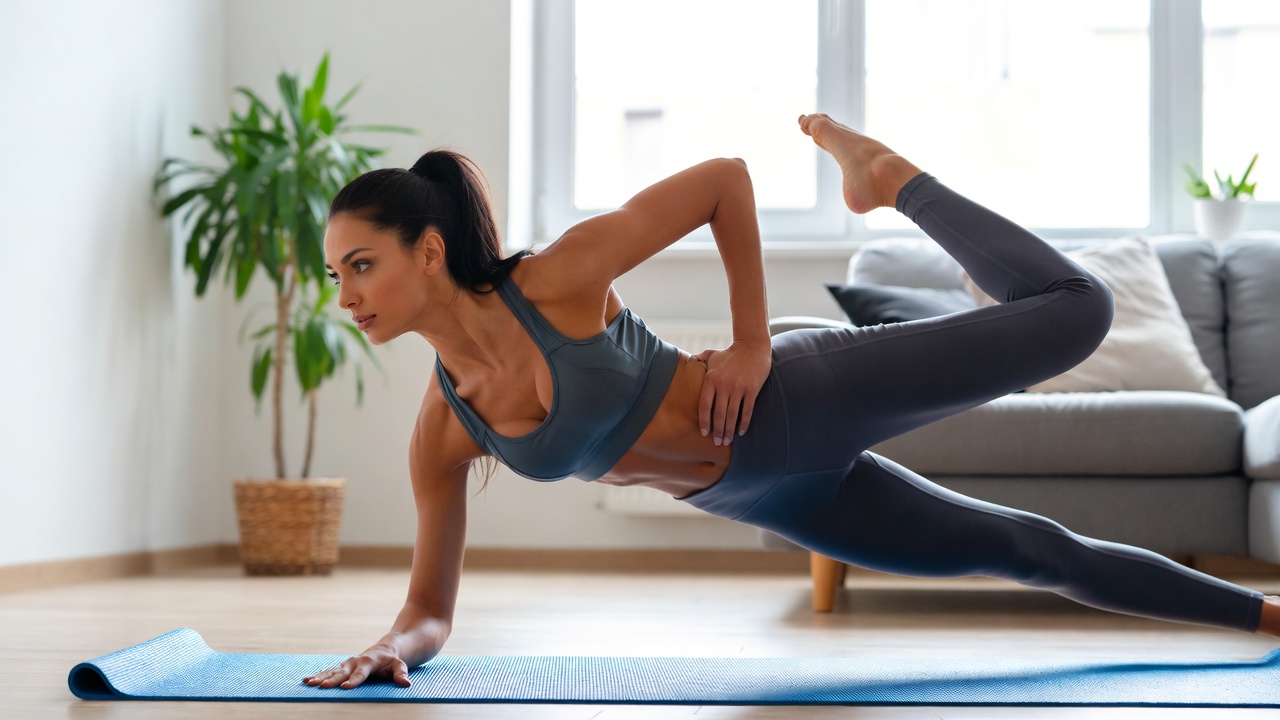
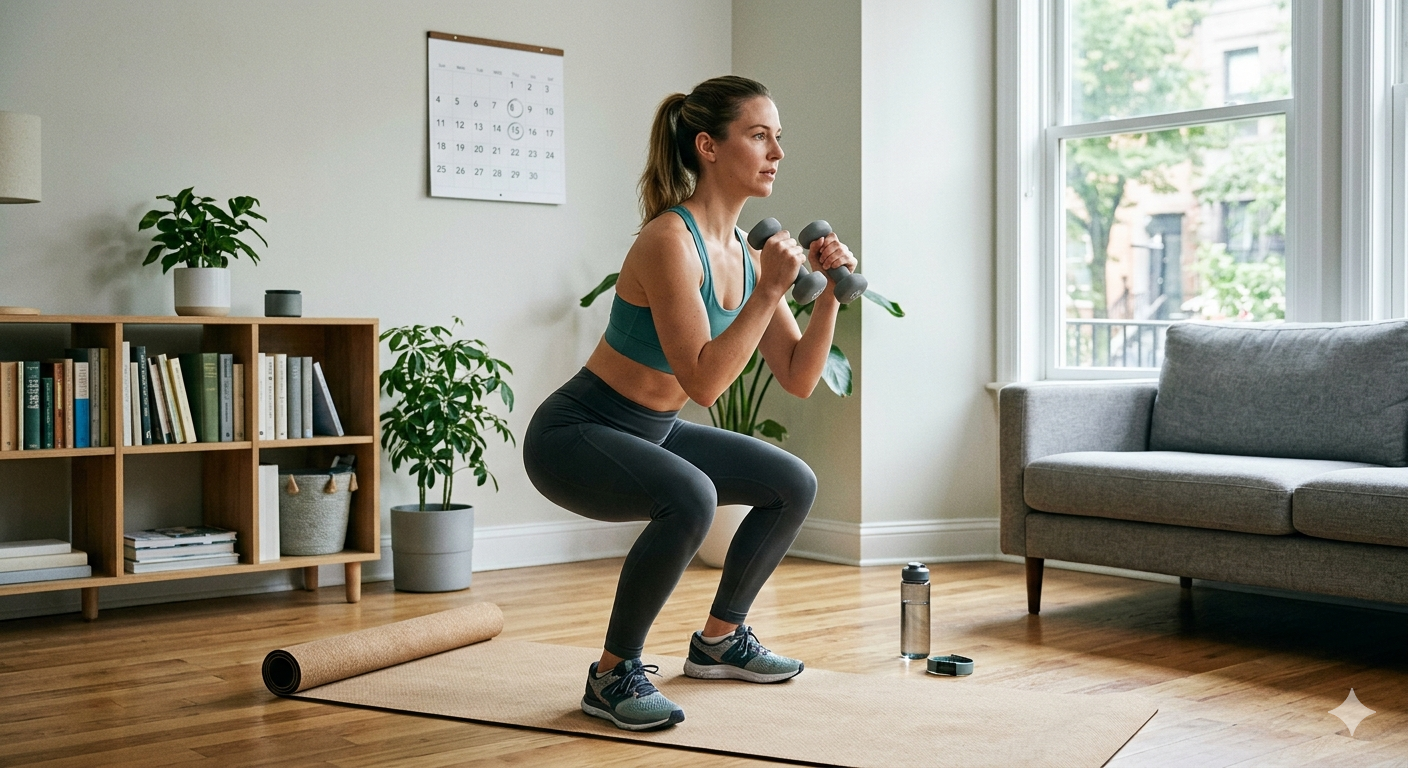
The beauty of stretching exercises for beginners at home is that you don’t need expensive equipment or a gym membership. A simple yoga mat and comfortable clothing are all you need to get started. Your living room can become your personal studio, allowing you to practice at your own pace without feeling self-conscious.
Essential Stretching Exercises for Flexibility
Let’s start with foundational movements that will build your flexibility gradually and safely.
Cat-Cow Stretch
Begin on your hands and knees in a tabletop position. As you inhale, drop your belly toward the floor and lift your chest and tailbone toward the ceiling (Cow Pose). As you exhale, round your spine toward the ceiling and tuck your chin to your chest (Cat Pose). Flow between these two positions for 8-10 breaths.
This gentle movement warms up your spine and is one of the most effective stretching exercises for flexibility. It’s perfect for morning routines or after sitting at a desk all day.
Child’s Pose
From tabletop position, sit your hips back toward your heels and extend your arms forward on the mat. Rest your forehead on the ground and breathe deeply for 5-10 breaths. This restorative pose gently stretches your lower back, hips, and shoulders while calming your mind.
Downward-Facing Dog
Start on your hands and knees, then lift your hips up and back, forming an inverted V-shape with your body. Press your hands firmly into the mat and work toward straightening your legs (bent knees are perfectly fine for beginners). Hold for 5-8 breaths. This classic pose is excellent for building overall body strength while providing a deep stretch.
Yoga Stretches for Flexibility You Can Master Today
These yoga stretches for flexibility will help you progress steadily without overwhelming your body.
Standing Forward Fold
Stand with feet hip-width apart, then slowly hinge at your hips and fold forward, letting your upper body hang heavy. Bend your knees as much as you need to. Let gravity do the work as you breathe deeply for 8-10 breaths. This pose releases tension in your hamstrings, calves, and lower back.
Seated Spinal Twist
Sit on your mat with legs extended. Bend your right knee and place your right foot on the outside of your left thigh. Place your left elbow on the outside of your right knee and gently twist to the right, looking over your right shoulder. Hold for 5 breaths, then switch sides. This twist improves spinal mobility and aids digestion.
Butterfly Stretch
Sit with the soles of your feet together, knees falling open to the sides. Hold your feet or ankles and gently fold forward from your hips. This opens your hips and inner thighs—areas where many people hold tension.
Progressing to Yoga Stretches for Flexibility Advanced
Once you’ve built a foundation with basic poses, you can gradually incorporate more challenging movements. Yoga stretches for flexibility advanced should only be attempted after you’re comfortable with foundational poses.
Pigeon Pose
From downward-facing dog, bring your right knee forward toward your right wrist, and slide your left leg back. Lower your hips toward the ground and fold forward over your front leg. This deep hip opener can be intense, so move slowly and use props like blankets or blocks for support. Hold for 1-2 minutes on each side.
King Pigeon Pose (Eka Pada Rajakapotasana)
This advanced backbend combines hip opening with chest expansion. Only attempt this after mastering regular pigeon pose, and consider working with an instructor for proper alignment.
Chair Yoga Exercises: Yoga for Everyone
Not everyone can easily get down on the floor, and that’s where chair yoga exercises become invaluable. These modifications make yoga accessible to people with limited mobility, seniors, or those recovering from injury.
Seated Cat-Cow
Sit toward the front edge of your chair with feet flat on the floor. Place your hands on your knees. Inhale and arch your back, lifting your chest (Cow). Exhale and round your spine, tucking your chin (Cat). Repeat for 8-10 breaths.
Seated Forward Fold
Sitting in your chair, hinge at your hips and fold forward over your legs, letting your arms hang toward the floor. This provides the same benefits as a standing forward fold while remaining supported.
Seated Twist
Sit sideways in your chair with the chair back to your right. Hold the chair back with both hands and gently twist to the right, using the chair for leverage. Hold for 5 breaths, then switch sides.
Adding Yoga Ball Exercises to Your Routine
Yoga ball exercises add an element of instability that engages your core muscles while you stretch. A stability ball (also called an exercise ball or Swiss ball) can enhance your practice in unique ways.
Ball Child’s Pose
Kneel in front of your yoga ball and drape your body over it, arms extended forward or resting at your sides. The ball supports your body while providing a gentle back and shoulder stretch.
Ball Bridge Pose
Lie on your back with your feet on the yoga ball. Press into the ball and lift your hips toward the ceiling, creating a straight line from knees to shoulders. This strengthens your glutes and hamstrings while opening your hip flexors.
Ball Seated Stretch
Sit on the yoga ball with feet flat on the floor. The instability forces your core to engage for balance. From here, you can perform gentle side bends, reaching one arm overhead and leaning to the opposite side.
Creating Your Stretching Exercises for Beginners at Home Routine
Consistency matters more than duration. Start with just 10-15 minutes daily rather than attempting an hour-long session once a week. Here’s a simple sequence to follow:
Morning Routine (10 minutes):
- Cat-Cow Stretch (1 minute)
- Downward-Facing Dog (30 seconds)
- Standing Forward Fold (1 minute)
- Gentle twists on each side (1 minute each)
- Child’s Pose (2 minutes)
Evening Routine (15 minutes):
- Seated stretches (3 minutes)
- Butterfly Stretch (2 minutes)
- Pigeon Pose on each side (2 minutes each)
- Supine twists (1 minute each side)
- Final relaxation (3 minutes)
Tips for Success with Your Yoga Practice
Listen to Your Body: Stretching should feel good, like a gentle pull, never sharp pain. Honor your body’s limits each day—they’ll vary based on stress, sleep, and activity levels.
Breathe Deeply: Your breath guides your movement. Inhale to lengthen and create space, exhale to deepen into stretches. If you’re holding your breath, you’re pushing too hard.
Use Props: Blocks, straps, blankets, and bolsters aren’t signs of weakness—they’re tools that help you access poses safely and effectively.
Be Patient: Flexibility develops over weeks and months, not days. Celebrate small progress like touching your shins before your toes, or holding a pose for an extra breath.
Create a Dedicated Space: Even a small corner of a room can become your yoga sanctuary. Having a designated space makes it easier to maintain your practice.
Common Mistakes to Avoid
Many beginners struggle because they compare themselves to others or expect immediate results. Remember that every expert was once a beginner. Don’t skip warm-ups, don’t bounce in stretches (which can cause injury), and don’t practice on a full stomach.
Another common mistake is holding your breath during challenging poses. Your breath is your anchor—keep it flowing smoothly and steadily.
20 Min Beginner Yoga Routine (Day 1) 30 Days of Yoga For Beginners
Frequently Asked Questions
Q: How often should beginners do stretching exercises?
A: Aim for 3-5 times per week initially, with rest days in between. As your body adapts, you can increase to daily practice. Even 10 minutes daily is more beneficial than sporadic longer sessions.
Q: When is the best time to practice yoga stretches for flexibility?
A: Your muscles are naturally more pliable in the evening after moving throughout the day. However, morning yoga can energize you for the day ahead. Choose a time you can stick with consistently—that’s what matters most.
Q: How long before I see results from stretching exercises for beginners at home?
A: Most people notice increased flexibility and reduced muscle tension within 2-3 weeks of consistent practice. Significant improvements typically appear after 6-8 weeks. Progress isn’t always linear, so trust the process.
Q: Do I need to be flexible to start yoga?
A: Absolutely not! That’s like saying you need to be clean to take a shower. Yoga helps you build flexibility—it’s not a prerequisite. Start where you are, and your flexibility will improve over time.
Q: Can chair yoga exercises be as effective as regular yoga?
A: Yes! Chair yoga provides many of the same benefits, including improved flexibility, strength, balance, and stress reduction. It’s an excellent option for anyone with mobility limitations or those new to movement practices.
Q: What equipment do I need for yoga ball exercises?
A: You’ll need a stability ball sized appropriately for your height (55cm for under 5’4″, 65cm for 5’4″-5’10”, 75cm for over 5’10”), a yoga mat for traction, and comfortable clothing that allows movement.
Q: Is it normal to feel sore after starting stretching exercises yoga?
A: Mild muscle soreness is normal when beginning any new physical practice. However, sharp pain or soreness lasting more than 48 hours indicates you may have pushed too hard. Reduce intensity and build up gradually.
Q: Can I practice yoga stretches for flexibility advanced as a beginner?
A: It’s best to master foundational poses first. Advanced stretches require strength, body awareness, and flexibility that develop over time. Attempting them too early increases injury risk and can be discouraging.
Your Next Steps
Beginning a yoga practice is one of the most rewarding gifts you can give yourself. Start with the basic stretching exercises outlined here, practice with patience and compassion, and watch as your body and mind transform. Remember, yoga isn’t about touching your toes—it’s about what you learn on the way down.
Set aside time this week to try the morning or evening routine provided. Keep a journal to track how you feel before and after practice. You might be surprised at how quickly these simple movements become an essential part of your day.
Your yoga journey begins with a single breath and a willingness to show up for yourself. Welcome to your practice.
Disclaimer: Always consult with a healthcare provider before beginning any new exercise program, especially if you have existing health conditions or injuries.

Faisal is the founder and content creator of The Workout Haven, a fitness and wellness blog focused on home workouts, weight loss, strength training, yoga, and healthy lifestyle habits. He creates easy-to-follow, beginner-friendly fitness guides backed by research, practical experience, and real-world application. Faisal’s goal is to help people stay active, build strength, and improve overall health—no gym or expensive equipment required.