




Strength Training for Beginners
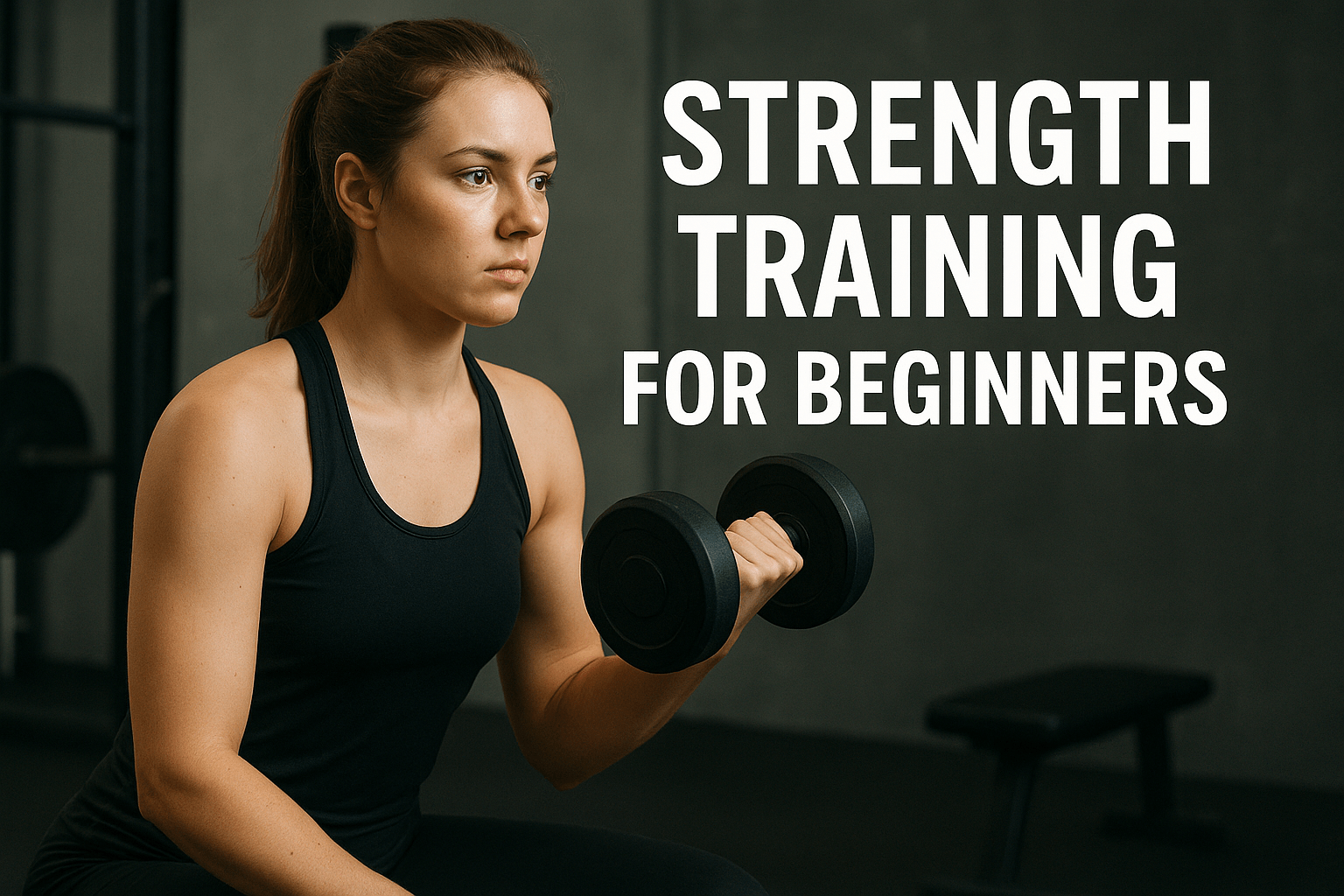
What is Strength Training and Why Should Beginners Start Now?
Strength training, also known as resistance training or weight training, is any form of physical exercise that uses external resistance to build muscle, increase strength, and improve overall fitness. For beginners, strength training is one of the most transformative fitness practices you can adopt, offering benefits that extend far beyond building visible muscle.
Strength training for beginners doesn’t require expensive equipment, a fancy gym membership, or years of experience. This complete guide will walk you through everything you need to know to start your strength training journey safely and effectively.
The Incredible Benefits of Strength Training for Beginners
Physical Health Benefits of Resistance Training
Strength training for beginners delivers remarkable physical transformations. As you begin resistance training, you’ll build lean muscle mass, which increases your resting metabolic rate and helps you burn more calories throughout the day. This metabolic boost supports weight management and body composition improvement.
Regular strength training increases bone density, which is particularly important for women and aging populations at risk of osteoporosis. Stronger bones mean better posture, reduced injury risk, and improved quality of life as you age. Additionally, strength training improves functional fitness for everyday activities like carrying groceries, playing with children, or climbing stairs.
Mental and Emotional Benefits of Starting Strength Training
Beyond physical changes, strength training for beginners builds confidence and mental resilience. Accomplishing fitness goals creates a sense of achievement that translates into other life areas. Resistance exercise also reduces anxiety and depression by boosting mood-enhancing endorphins and regulating stress hormones like cortisol.
The mental discipline required for consistent training develops discipline and focus that extends beyond the gym. Many beginners report improved sleep quality, better stress management, and greater overall life satisfaction after starting strength training programs.
Preventing Disease and Improving Longevity
Strength training for beginners reduces risk factors for serious health conditions including heart disease, type 2 diabetes, and certain cancers. Regular resistance exercise improves cardiovascular health, blood sugar regulation, and cholesterol levels. Studies show that people who engage in strength training live longer, healthier lives with better quality of life in their senior years.
Essential Equipment and Setup for Beginner Strength Training
Choosing the Right Equipment for Your Needs
Beginners don’t need expensive equipment to start strength training effectively. Dumbbells are versatile, affordable, and perfect for home-based beginners. Start with lighter weights—typically 5-15 pounds depending on your current fitness level—and focus on proper form rather than heavy weight.
Barbells and weight plates allow for progressive loading and are essential for serious strength training, but aren’t necessary when starting out. Resistance bands provide an excellent portable alternative that challenges muscles throughout movement ranges. Bodyweight exercises using your own body weight are completely free and highly effective for beginners.
Setting Up Your Beginner Strength Training Space
You don’t need a full home gym to start strength training as a beginner. A small area with basic equipment—dumbbells, a bench if possible, and resistance bands—is sufficient to begin. Many beginners train at commercial gyms where trainers can provide guidance and equipment variety is available.
If training at home, ensure adequate space for safe movement, clear away obstacles that could cause injury, and have water available. Consider investing in a yoga mat for floor exercises and protection from hard surfaces.
Key Principles of Strength Training for Beginners
Understanding Progressive Overload
Progressive overload is the fundamental principle of strength training for beginners. This means gradually increasing the demands placed on your muscles over time by increasing weight, repetitions, sets, or decreasing rest periods. Without progressive overload, your muscles adapt and progress plateaus.
For beginners, progressive overload might mean increasing weight by 5 pounds every 2-4 weeks, or adding an extra repetition to each set. Track your workouts to monitor progress and ensure you’re consistently challenging your muscles.
The Importance of Proper Form and Technique
Proper form is absolutely critical for beginning strength trainers to prevent injury and maximize muscle activation. Never sacrifice form for heavier weight. It’s better to perform 10 perfect repetitions than 20 sloppy ones with poor form. Consider working with a qualified personal trainer for your first few sessions to learn correct technique.
Rest and Recovery for Muscle Growth
Beginners often underestimate the importance of rest for strength training success. Muscle growth doesn’t happen during the workout—it happens during rest periods. Your muscles need 48 hours of recovery between training the same muscle groups.
Sleep is equally crucial for strength training progress. Aim for 7-9 hours of quality sleep nightly, as this is when most muscle repair and hormone regulation occurs. Without adequate rest, your strength training efforts won’t produce optimal results.
Beginner Strength Training Workout Programming
What is a Strength Training Split?
A workout split is how you organize your training sessions throughout the week. For beginners, a simple approach is better than complex routines. Most beginners succeed with full-body workouts performed 3 times weekly, allowing adequate recovery between sessions.
The Beginner Full-Body Strength Training Routine
Workout Structure for Beginners:
- Warm-up: 5-10 minutes of light cardio and dynamic stretching
- Compound movements: 3-4 major exercises per session
- Accessory work: 2-3 supplemental exercises
- Cool-down: 5-10 minutes of static stretching
Sample Full-Body Routine for Beginners: Perform this workout 3 times weekly (Monday, Wednesday, Friday) with at least one rest day between sessions.
Upper Body and Lower Body Integration: Include at least one upper body push (chest press or shoulder press), one upper body pull (rows or pull-ups), one lower body push (squats or leg press), and one lower body pull (deadlifts or leg curls) in each session or across your weekly training.
Essential Compound Exercises for Beginning Strength Trainers
Squats are the foundation of lower body strength training, working quadriceps, hamstrings, and glutes. Begin with bodyweight squats to master form, then progress to goblet squats holding a dumbbell.
Deadlifts build posterior chain strength including hamstrings, glutes, and back muscles. Start with lighter weight to focus on perfect form and gradual progression.
Bench Press or Dumbbell Press develops chest, shoulders, and triceps. Dumbbells are excellent for beginners as they allow natural movement patterns and build stabilizer muscles.
Rows and Pull-ups strengthen back muscles and improve posture. Beginners can start with resistance band rows or assisted pull-ups before progressing to unassisted versions.
Sample Weekly Schedule for Beginner Strength Training
Monday: Full-body strength session with focus on lower body and upper body push movements
Wednesday: Full-body strength session with focus on upper body pull movements and lower body balance
Friday: Full-body strength session combining all movement patterns with moderate intensity
Tuesday, Thursday, Saturday, Sunday: Rest days or light active recovery like walking or yoga
Proper Nutrition for Strength Training Success
Protein and Macronutrient Requirements for Beginners
Strength training for beginners requires adequate protein to support muscle repair and growth. Aim for approximately 0.7-1 gram of protein per pound of bodyweight daily. Distribute protein intake across meals throughout the day rather than consuming it all in one sitting.
Include complex carbohydrates for energy during workouts and simple carbohydrates post-workout for recovery. Healthy fats support hormone production and overall health. A balanced approach including all three macronutrients supports strength training success.
Pre-Workout and Post-Workout Nutrition
Before strength training, consume a light meal or snack 1-2 hours prior containing carbohydrates and protein. Examples include oatmeal with berries, banana with peanut butter, or toast with eggs. Adequate pre-workout nutrition provides energy for intense training.
Within 1-2 hours after strength training, consume a post-workout meal containing protein and carbohydrates. Protein supports muscle repair while carbohydrates replenish energy stores. A protein shake with fruit or chicken with rice are excellent post-workout options for beginners.
Hydration and Supplementation
Drink adequate water before, during, and after strength training sessions. A general guideline is consuming half your bodyweight in ounces daily, increasing intake on training days. Proper hydration supports muscle function, recovery, and overall performance.
For beginner strength trainers, a basic multivitamin and protein powder are worthwhile investments, but aren’t strictly necessary if eating a balanced diet. Avoid expensive supplements promising instant muscle growth—consistency with training and nutrition matters infinitely more than supplementation.
Common Beginner Strength Training Mistakes to Avoid
Mistake 1: Lifting Too Heavy Too Fast
The most common beginner error is attempting to lift excessive weight before mastering proper form. Start lighter than you think necessary and focus completely on perfect technique. Ego lifts lead to injury that sets back progress weeks or months.
Mistake 2: Neglecting Warm-Up and Cool-Down
Beginning your strength training session without proper warm-up increases injury risk and reduces performance. Always perform 5-10 minutes of light cardio and dynamic stretching before lifting. Cool down with static stretching to improve flexibility and reduce soreness.
Mistake 3: Training the Same Muscles Daily
Beginners sometimes think training harder and more frequently produces faster results. However, without adequate recovery, muscles can’t repair and grow. Stick to 3-4 strength training sessions weekly with rest days between.
Mistake 4: Poor Exercise Selection and Variation
Focus on compound movements that work multiple muscles simultaneously rather than isolation exercises targeting single muscles. Compound movements build functional strength and efficiency. Beginners benefit most from exercises like squats, deadlifts, presses, and rows.
Mistake 5: Ignoring Recovery and Sleep
Many beginners sacrifice sleep and recovery to do extra workouts, actually slowing progress. Strength training results come from the combination of challenging exercise plus adequate rest. Prioritize sleep as much as your workouts.
Mistake 6: Inconsistent Training and Program Hopping
Beginners often change programs every few weeks searching for the “perfect routine.” Inconsistency prevents your body from adapting and making progress. Commit to one program for at least 8-12 weeks before considering changes.
Tracking Progress and Staying Motivated
How to Monitor Your Strength Training Advancement
Keep a detailed workout log recording exercises, weights, repetitions, and sets for each session. This simple practice allows you to track progressive overload and identify patterns in your training. Many beginners find that reviewing past workouts provides incredible motivation.
Setting Realistic Goals for Beginning Strength Trainers
Establish specific, measurable goals for your strength training journey. Examples include “increase bench press by 20 pounds in 12 weeks” or “complete 10 unassisted pull-ups.” Realistic goals keep you motivated and provide direction for your training.
Celebrating Small Victories and Building Confidence
Recognize and celebrate progress including increased strength, improved form, greater muscle definition, or improved energy levels. Beginners often underestimate how quickly visible changes occur with consistent strength training. These victories build confidence and maintain long-term motivation.
Strength Training for Different Beginner Populations
Strength Training for Female Beginners
Women benefit tremendously from strength training, building bone density and preventing osteoporosis while creating lean, sculpted physiques. Women won’t develop excessive bulk from strength training—hormonal differences prevent this without specific high-volume programming. Female beginners should follow the same fundamental principles as male trainees.
Strength Training for Senior Beginners
Older adults experience remarkable health improvements from strength training including improved balance, reduced fall risk, increased independence, and better quality of life. Seniors should start with lighter weights and perfect form, potentially working with trainers familiar with aging populations.
Strength Training for Overweight Beginners
Overweight beginners sometimes worry about their appearance in gyms or capacity to lift. Start with home-based training if needed, focus on bodyweight and light dumbbells, and remember that everyone in the gym started as a beginner. Strength training combined with proper nutrition produces significant weight loss and health improvements.
Conclusion: Start Your Strength Training Journey Today
Strength training for beginners is one of the most rewarding fitness investments you can make. Whether your goals involve building muscle, losing weight, improving health, or simply feeling stronger and more confident, a consistent strength training program delivers results.
Start with basic compound movements, focus on perfect form over heavy weight, ensure adequate recovery and sleep, and maintain consistent training. Progress gradually using progressive overload principles, track your workouts, and celebrate improvements along the way.
Remember that every experienced strength trainer was once a complete beginner. Your strength training journey begins with your first workout—make that start today. With dedication, patience, and consistency, you’ll transform your body and mind through the power of strength training.

Faisal is the founder and content creator of The Workout Haven, a fitness and wellness blog focused on home workouts, weight loss, strength training, yoga, and healthy lifestyle habits. He creates easy-to-follow, beginner-friendly fitness guides backed by research, practical experience, and real-world application. Faisal’s goal is to help people stay active, build strength, and improve overall health—no gym or expensive equipment required.