


Top 10 Bodybuilding Foods
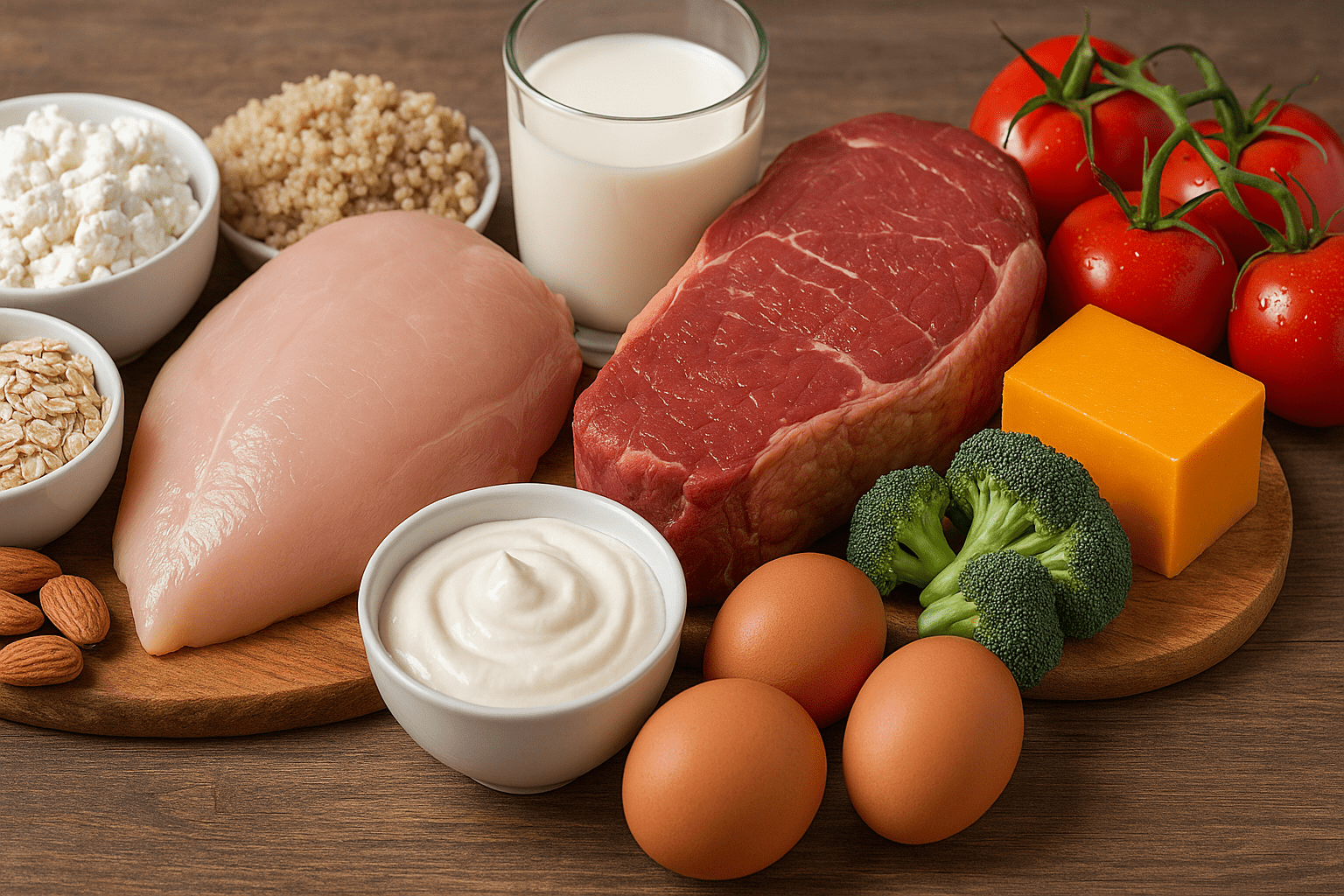
Table of Contents
Top 10 Bodybuilding Foods: Your Ultimate Guide to Muscle Growth
If you’re serious about building muscle, you already know that what you eat is just as important as how you lift. The right bodybuilding foods can make the difference between mediocre gains and explosive growth. But with so much conflicting information out there, it’s tough to know which foods actually deliver results.
I’ve been in the fitness game long enough to see countless people struggle with their nutrition. They work hard in the gym but don’t fuel their bodies properly. Today, I’m breaking down the top 10 bodybuilding foods that’ll help you pack on lean muscle mass while keeping your body healthy and energized.
What Are Bodybuilding Foods?
Before we dive into the list, let’s get clear on what bodybuilding foods actually are. These aren’t just any high-calorie options—they’re nutrient-dense powerhouses that support muscle growth, recovery, and overall performance. The best bodybuilding foods combine quality protein, essential fats, complex carbohydrates, and micronutrients that your body craves when you’re training hard.
The Top 10 Bodybuilding Foods for Maximum Gains
1. Chicken Breast
Let’s start with the classic. Chicken breast is the gold standard for quick muscle-building foods. With about 31 grams of protein per 100 grams and almost zero fat, it’s lean, affordable, and incredibly versatile. Your muscles need protein to repair and grow, and chicken delivers it without excess calories.
2. Eggs
Whole eggs are nutritional powerhouses. They contain all nine essential amino acids, making them a complete protein source. The yolk also provides healthy fats and vitamins that support hormone production—crucial for muscle growth. Don’t skip the yolk!
3. Salmon
This fatty fish is one of the ultimate protective foods. Beyond its impressive protein content (about 25 grams per 100 grams), salmon delivers omega-3 fatty acids that reduce inflammation and support recovery. It’s also packed with vitamin D and B vitamins for energy production.
4. Greek Yogurt
Greek yogurt combines fast-digesting whey protein with slow-digesting casein protein, making it perfect for sustained muscle feeding. It’s also a probiotic food that supports gut health—and a healthy gut means better nutrient absorption for muscle growth.
5. Sweet Potatoes
When it comes to energy-giving food, sweet potatoes are champions. They provide complex carbohydrates that fuel intense workouts without spiking your blood sugar. They’re also loaded with fiber, potassium, and vitamins that support overall health and performance.
6. Lean Beef
Beef is one of the most complete food for strong muscles and bones. It contains high-quality protein, creatine (for strength and power), iron (for oxygen transport), and zinc (for testosterone production). Choose grass-fed options when possible for additional omega-3s.
7. Quinoa
This ancient grain is a complete protein source—rare for plant-based foods. Quinoa provides all essential amino acids plus complex carbs for sustained energy. It’s also rich in magnesium, which plays a role in muscle contraction and relaxation.
8. Cottage Cheese
High in casein protein, cottage cheese is the perfect late-night snack for bodybuilders. Casein digests slowly, providing your muscles with amino acids throughout the night while you sleep and recover.
9. Almonds
These nuts pack protein, healthy fats, vitamin E, and magnesium. They’re calorie-dense, making them excellent for people trying to gain mass. The healthy fats also support hormone production and joint health.
10. Spinach
Don’t underestimate leafy greens! Spinach is among the best protective foods, loaded with iron, calcium, magnesium, and vitamins A, C, and K. It reduces oxidative stress from intense training and supports bone health—essential when you’re lifting heavy.
What Are 5 Bodybuilding Foods You Should Eat Daily?
If you’re looking for a simplified approach, focus on these five staples:
- Chicken or turkey – lean protein for muscle repair
- Eggs – complete protein with healthy fats
- Oats or rice – clean carbs for energy
- Broccoli or spinach – protective foods with micronutrients
- Salmon or tuna – protein plus anti-inflammatory omega-3s
These five cover your protein needs, provide lasting energy, and deliver the protective nutrients your body needs to recover and grow.
Food for Strong Muscles and Bones
Building muscle isn’t just about protein—your bones need support too, especially when you’re lifting progressively heavier weights. The best food for strong muscles and bones includes:
- Dairy products (milk, yogurt, cheese) for calcium and protein
- Fatty fish for vitamin D, which helps calcium absorption
- Leafy greens for vitamin K and minerals
- Lean meats for protein and essential minerals like zinc and iron
- Nuts and seeds for magnesium and healthy fats
Your skeletal system provides the framework for muscle growth, so don’t neglect bone health in pursuit of bigger muscles.
7-Day Meal Plan for Muscle Gain
Here’s a practical 7-day meal plan for muscle gain to get you started:
Day 1-3:
- Breakfast: Scrambled eggs with spinach, oatmeal with almonds
- Snack: Greek yogurt with berries
- Lunch: Grilled chicken breast, sweet potato, broccoli
- Snack: Protein shake with banana
- Dinner: Baked salmon, quinoa, mixed vegetables
Day 4-5:
- Breakfast: Omelet with vegetables, whole grain toast
- Snack: Cottage cheese with pineapple
- Lunch: Lean beef stir-fry with brown rice
- Snack: Almonds and an apple
- Dinner: Turkey breast, roasted potatoes, asparagus
Day 6-7:
- Breakfast: Protein pancakes with blueberries
- Snack: Hard-boiled eggs
- Lunch: Tuna salad with mixed greens and avocado
- Snack: Rice cakes with almond butter
- Dinner: Grilled chicken, pasta, marinara sauce, green beans
This plan emphasizes quick muscle-building foods spaced throughout the day to keep your muscles fed and growing.
30-Day Muscle-Building Diet Strategy
A 30-day muscle-building diet requires consistency and progressive adjustments. Here’s your game plan:
Week 1-2: Establish Your Baseline
- Track your calories and protein intake
- Aim for 1 gram of protein per pound of body weight
- Eat 4-6 meals per day to maintain steady nutrient flow
Week 3-4: Optimize and Adjust
- Increase calories slightly if you’re not gaining weight
- Focus on pre and post-workout nutrition
- Stay hydrated (1 gallon of water daily)
Throughout the Month:
- Prioritize whole foods over processed options
- Include protective foods to support recovery
- Get adequate energy-giving food before workouts
- Don’t fear healthy fats—they support hormone production
Protective Foods: Your Secret Weapon
Protective foods deserve special attention. These nutrient-rich options protect your body from the stress of intense training:
- Berries – antioxidants that fight inflammation
- Dark leafy greens – vitamins and minerals for immune function
- Fatty fish – omega-3s for joint and cardiovascular health
- Nuts and seeds – vitamin E and healthy fats
- Citrus fruits – vitamin C for immune support and collagen production
Don’t just focus on calories and protein. These protective foods keep you healthy and training consistently—which is what really matters for long-term gains.
Energy-Giving Food for Peak Performance
Without proper energy-giving food, your workouts will suffer. Complex carbohydrates should make up 40-50% of your daily calories when building muscle:
- Oatmeal
- Brown rice
- Whole grain pasta
- Sweet potatoes
- Quinoa
- Whole grain bread
Time these energy-giving foods strategically—eat larger carb portions before and after training when your body needs fuel most.
FAQ: Your Bodybuilding Nutrition Questions Answered
Q: How much protein do I really need for muscle growth? A: Aim for 0.8-1 gram of protein per pound of body weight. For a 180-pound person, that’s 144-180 grams daily. Spread this across 4-6 meals for optimal absorption.
Q: Can I build muscle on a plant-based diet? A: Absolutely! Focus on complete protein sources like quinoa, soy products, and combine complementary proteins (rice and beans). You may need slightly more total protein since plant proteins are less bioavailable.
Q: When should I eat my biggest meals? A: Your largest meals should be around your training. Eat a carb-heavy meal 2-3 hours before training, then another within 2 hours post-workout to maximize recovery and growth.
Q: Do I need supplements if I eat these bodybuilding foods? A: Whole foods should be your foundation. However, a quality protein powder, creatine, and omega-3 supplements can fill gaps and boost results. They’re supplements, not replacements.
Q: How important is meal timing for muscle growth? A: It matters, but not as much as total daily intake. Focus on hitting your protein and calorie targets first. Meal timing provides maybe a 5-10% edge once the basics are dialed in.
Q: Can I eat the same foods every day? A: You can, but variety ensures you get a full spectrum of nutrients. Rotate your protein sources, carbs, and vegetables throughout the week to cover all nutritional bases.
Q: What if I’m not seeing results after following this plan? A: Track everything for two weeks. If you’re not gaining 0.5-1 pound per week, increase your daily calories by 200-300. Be patient—muscle growth takes time and consistency.
Final Thoughts: Consistency Beats Perfection
Building muscle isn’t about perfect meal prep or eating exotic superfoods. It’s about consistently fueling your body with quality bodybuilding foods that provide the protein, carbs, fats, and micronutrients your muscles need to grow.
Start with these top 10 bodybuilding foods, follow the meal planning principles I’ve shared, and adjust based on your results. Remember that protective foods keep you healthy and training hard, while energy-giving food fuels your performance.
Your diet should support your goals, not stress you out. Master these fundamentals, stay consistent, and watch your physique transform over the coming months.
Faisal is the founder and content creator of The Workout Haven, a fitness and wellness blog focused on home workouts, weight loss, strength training, yoga, and healthy lifestyle habits. He creates easy-to-follow, beginner-friendly fitness guides backed by research, practical experience, and real-world application. Faisal’s goal is to help people stay active, build strength, and improve overall health—no gym or expensive equipment required.