

Top 10 Metabolism-Boosting Foods
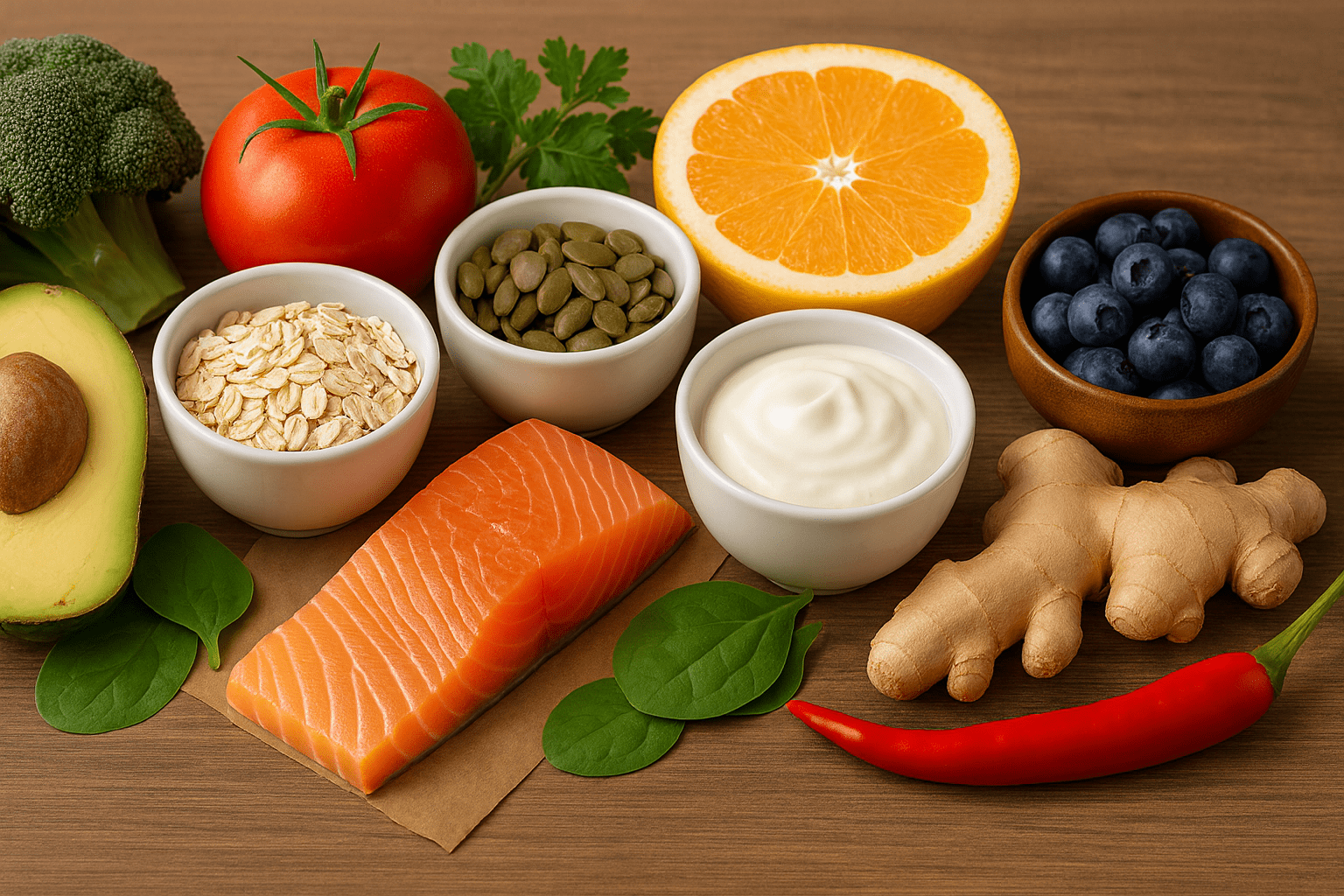
Table of Contents
Top 10 Metabolism-Boosting Foods: Energize Your Body Naturally
Subtitle: Science-Backed Fat-Burning Foods and the Best Morning Drink to Boost Metabolism
If you’ve ever wondered why your friend can eat pizza without gaining a pound while you just look at a cookie and feel your jeans tighten, the answer might lie in your metabolism. Let’s be real—”metabolism” is one of those buzzwords that gets thrown around in fitness circles like free weights at a CrossFit class. But here’s the truth: while you can’t entirely rewrite your genetic code, you can give your metabolic engine a serious upgrade with the right foods.
Think of your metabolism as your body’s internal furnace. The better the fuel you feed it, the hotter it burns. And no, you don’t need expensive supplements or complicated meal plans. Some of the most powerful metabolism-boosting foods are probably sitting in your kitchen right now.
So grab your grocery list, friend. We’re about to dive into the top 10 natural metabolism-boosting foods that actually work—backed by science, loved by nutritionists, and easy enough for anyone to incorporate into their daily routine.
What Is Metabolism, and Why Should You Care?
Before we get to the good stuff (hello, delicious fat-burning foods!), let’s clear up what metabolism actually means. Simply put, metabolism is the process by which your body converts what you eat and drink into energy. Even when you’re binge-watching your favorite show, your body needs energy for breathing, circulation, and cell repair.
Your metabolic rate determines how many calories you burn at rest and during activity. While genetics play a role, research shows that diet can influence your metabolic rate by 5-10% through the thermic effect of food (TEF)—the energy required to digest, absorb, and process nutrients.
Now, let’s get to the foods that increase metabolism and burn fat naturally.
The Top 10 Metabolism-Boosting Foods
1. Green Tea: The Ultimate Morning Drink to Boost Metabolism
If you’re searching for the perfect morning drink to boost metabolism, look no further than green tea. This ancient beverage contains catechins, particularly EGCG (epigallocatechin gallate), which have been shown to increase calorie burning.
A meta-analysis published in the International Journal of Obesity found that green tea extract increased energy expenditure by 4% and fat oxidation by 17% in participants. That’s like getting a mini workout without leaving your kitchen! For best results, sip 2-3 cups daily. Add a squeeze of lemon to enhance catechin absorption—your taste buds and waistline will thank you.
2. Lean Protein: The Metabolic Powerhouse
Chicken breast, turkey, tofu, and fish aren’t just for bodybuilders. Protein has the highest thermic effect of all macronutrients, meaning your body burns 20-30% of the calories just digesting it. A study in the Journal of the American College of Nutrition showed that high-protein diets increased post-meal calorie burn by 35% compared to high-carb meals.
Pro tip: Aim for 20-30 grams of protein per meal. Grill some salmon for dinner or toss chickpeas into your salad—your metabolism will stay revved for hours.
3. Chili Peppers: Spice Up Your Life (and Your Metabolism)
Love spicy food? Here’s some hot news: capsaicin, the compound that gives chili peppers their kick, is a proven metabolic booster. Research from Appetite journal demonstrates that capsaicin can increase calorie burn by about 50 calories per day. While that might sound small, it adds up to about 5 pounds of weight loss per year—just from adding some heat to your meals!
Sprinkle cayenne on eggs, add jalapeños to tacos, or try a dash of hot sauce in your morning drink to boost metabolism (lemon water with cayenne is a game-changer).
4. Whole Grains: The Slow-Burning Fuel
Unlike refined carbs that cause energy crashes, whole grains like quinoa, brown rice, and oats require more energy to break down. The fiber content keeps your digestive system working overtime, which means more calories burned. A American Journal of Clinical Nutrition study found that whole grain consumption increased resting metabolic rate by 5% compared to refined grains.
Swap your white bread for sprouted grain bread, and you’ve got yourself an easy metabolic win.
5. Coffee: More Than Just a Morning Ritual
Your morning cup of joe does more than wake you up—it’s a legitimate fat-burning food (well, drink). Caffeine stimulates the central nervous system, raising metabolism by 3-11% according to research in the European Journal of Clinical Nutrition. Just skip the sugary syrups and heavy creamers; black coffee is your metabolic best friend.
For an extra boost, try bulletproof coffee with a teaspoon of coconut oil—healthy fats plus caffeine equals a metabolism-revving powerhouse.
6. Greek Yogurt: The Probiotic Metabolism Booster
Gut health and metabolism are more connected than you might think. Greek yogurt is packed with probiotics that support a healthy microbiome, which influences weight management. It’s also rich in calcium, which plays a role in regulating fat metabolism. A study in Obesity Research showed that calcium-rich diets increased fat excretion by 2.5 times.
Choose plain, full-fat Greek yogurt to avoid added sugars, and top it with berries for an antioxidant double-whammy.
7. Coconut Oil: The MCT Miracle
Coconut oil contains medium-chain triglycerides (MCTs), which are metabolized differently than other fats. Instead of being stored, they’re sent straight to the liver for immediate energy. Research published in the Journal of Nutrition found that MCT oil increased 24-hour energy expenditure by 5%.
Use coconut oil for cooking, blend it into smoothies, or add a teaspoon to your morning drink to boost metabolism. Just remember: it’s still calorie-dense, so a little goes a long way.
8. Berries: The Antioxidant-Rich Metabolism Helpers
Blueberries, strawberries, and raspberries are low in calories but high in fiber and antioxidants. The anthocyanins in berries have been shown to improve insulin sensitivity and reduce inflammation—both crucial for a healthy metabolism. A 2019 study in the British Journal of Nutrition linked berry consumption to improved metabolic markers in overweight adults.
Toss them in oatmeal, blend them in smoothies, or eat them by the handful. They’re nature’s candy that actually helps you burn fat.
9. Legumes: The Fiber-Filled Metabolic Heroes
Beans, lentils, and peas are the unsung heroes of foods that increase metabolism and burn fat. They’re loaded with protein and fiber, a dynamic duo that keeps you full and forces your digestive system to work hard. The resistant starch in legumes also feeds beneficial gut bacteria, which influences metabolic health.
Research in the Journal of Human Nutrition and Dietetics showed that eating 3/4 cup of legumes daily increased calorie burn and reduced belly fat. Try lentil soup, black bean tacos, or hummus for an easy metabolic boost.
10. Dark Chocolate: The Delicious Metabolism Surprise
Yes, you read that right! Dark chocolate (70% cacao or higher) contains monounsaturated fats and antioxidants that can support metabolism. A study from Archives of Internal Medicine found that participants who ate dark chocolate regularly had lower BMI levels despite not eating fewer calories.
The key is portion control—stick to one ounce per day. Enjoy a square after dinner and feel good knowing you’re feeding your metabolism.
Your Metabolism-Boosting Daily Routine
Want to maximize these foods to boost metabolism? Here’s a simple daily blueprint:
Morning: Start with a morning drink to boost metabolism—green tea or black coffee. Pair it with Greek yogurt topped with berries.
Lunch: Grilled chicken breast quinoa bowl with mixed greens and a spicy vinaigrette.
Snack: Handful of almonds and a square of dark chocolate.
Dinner: Baked salmon with a side of lentils and roasted vegetables.
Before Bed: Optional chamomile tea (because sleep is crucial for metabolic health!).
Frequently Asked Questions About Metabolism-Boosting Foods
1. Can certain foods really boost my metabolism?
Absolutely! While no food will magically melt fat, many natural metabolism-boosting foods can increase your metabolic rate by 5-15% through the thermic effect of food and specific compounds like capsaicin, catechins, and caffeine. Think of them as supportive tools, not miracle workers.
2. How quickly will I see results from eating these foods?
Patience, grasshopper. Most studies show measurable changes in metabolic markers after 2-4 weeks of consistent consumption. Weight loss results typically appear after 6-8 weeks when combined with a balanced diet and exercise. Remember, sustainable changes beat quick fixes every time.
3. Is coffee better than green tea for metabolism?
It depends on your sensitivity to caffeine. Coffee provides a stronger short-term boost (3-11% increase), while green tea offers a milder but longer-lasting effect (4% increase) with additional antioxidant benefits. Both are excellent fat-burning foods—choose what works for your body.
4. Can I just eat these foods and skip exercise?
Nice try! While metabolism-boosting foods help, exercise—especially strength training—is the ultimate metabolic booster. Muscle tissue burns more calories at rest than fat tissue. Combine these foods with 3-4 weekly workouts for best results.
5. Are there any risks to eating metabolism-boosting foods?
Most natural metabolism-boosting foods are safe, but moderation matters. Too much caffeine can cause jitters and sleep issues. Excessive spicy food might upset your stomach. If you have medical conditions, especially thyroid issues, consult your doctor before making major dietary changes.
6. What’s the best time to eat these foods for maximum benefit?
Great question! Protein is crucial at breakfast to jumpstart your day. Spicy foods and caffeine work best earlier in the day when you need energy. Avoid metabolism-boosting stimulants after 2 PM to protect your sleep—because poor sleep absolutely wrecks your metabolism.
7. Do metabolism-boosting foods work for everyone?
Individual responses vary based on genetics, age, gender, and current metabolic health. However, the foods listed here have been shown to benefit most people. Post-menopausal women and those with metabolic syndrome might see slightly less dramatic effects but still benefit from the nutritional value.
The Bottom Line
Boosting your metabolism isn’t about finding a magic bullet—it’s about consistently choosing foods that increase metabolism and burn fat while building sustainable habits. These 10 metabolism-boosting foods are your allies in the journey toward better health, more energy, and yes, easier weight management.
Start small. Maybe swap your morning juice for green tea this week. Add beans to your salad. Sprinkle some cayenne on your eggs. These tiny changes compound into significant results over time.
Your metabolism has been working for you since the day you were born. Isn’t it time you returned the favor?
References
- Dulloo, A. G., et al. (1999). “Efficacy of a green tea extract rich in catechin polyphenols and caffeine in increasing 24-h energy expenditure and fat oxidation in humans.” American Journal of Clinical Nutrition, 70(6), 1040-1045.
- Johnston, C. S., et al. (2002). “Postprandial thermogenesis is increased 100% on a high-protein, low-fat diet versus a high-carbohydrate, low-fat diet in healthy, young women.” Journal of the American College of Nutrition, 21(1), 55-61.
- Whiting, S., et al. (2012). “Capsaicinoids and capsinoids. A potential role for weight management? A systematic review of the evidence.” Appetite, 59(2), 341-348.
- Pereira, M. A., et al. (2002). “Effect of whole grains on insulin sensitivity in overweight hyperinsulinemic adults.” American Journal of Clinical Nutrition, 75(5), 848-855.
- Astrup, A., et al. (1990). “Caffeine: a double-blind, placebo-controlled study of its thermogenic, metabolic, and cardiovascular effects in healthy volunteers.” European Journal of Clinical Nutrition, 44(2), 147-156.
- Zemel, M. B., et al. (2005). “Calcium and dairy acceleration of weight and fat loss during energy restriction in obese adults.” Obesity Research, 13(6), 1018-1025.
- St-Onge, M. P., & Jones, P. J. (2002). “Physiological effects of medium-chain triglycerides: potential agents in the prevention of obesity.” Journal of Nutrition, 132(3), 329-332.
- Basu, A., et al. (2019). “Berries as a treatment for obesity-induced inflammation: Clinical evidence.” British Journal of Nutrition, 122(5), 509-518.
- Mollard, R. C., et al. (2014). “Regular consumption of pulses for 8 weeks reduces metabolic syndrome risk factors in overweight and obese adults.” Journal of Human Nutrition and Dietetics, 27(2), 107-115.
- Golomb, B. A., et al. (2012). “Association between more frequent chocolate consumption and lower body mass index.” Archives of Internal Medicine, 172(6), 519-521.
What’s your favorite metabolism-boosting food? Share in the comments below, and don’t forget to subscribe for more science-backed nutrition tips!

Faisal is the founder and content creator of The Workout Haven, a fitness and wellness blog focused on home workouts, weight loss, strength training, yoga, and healthy lifestyle habits. He creates easy-to-follow, beginner-friendly fitness guides backed by research, practical experience, and real-world application. Faisal’s goal is to help people stay active, build strength, and improve overall health—no gym or expensive equipment required.