





What is the Best Routine for Mental Health?
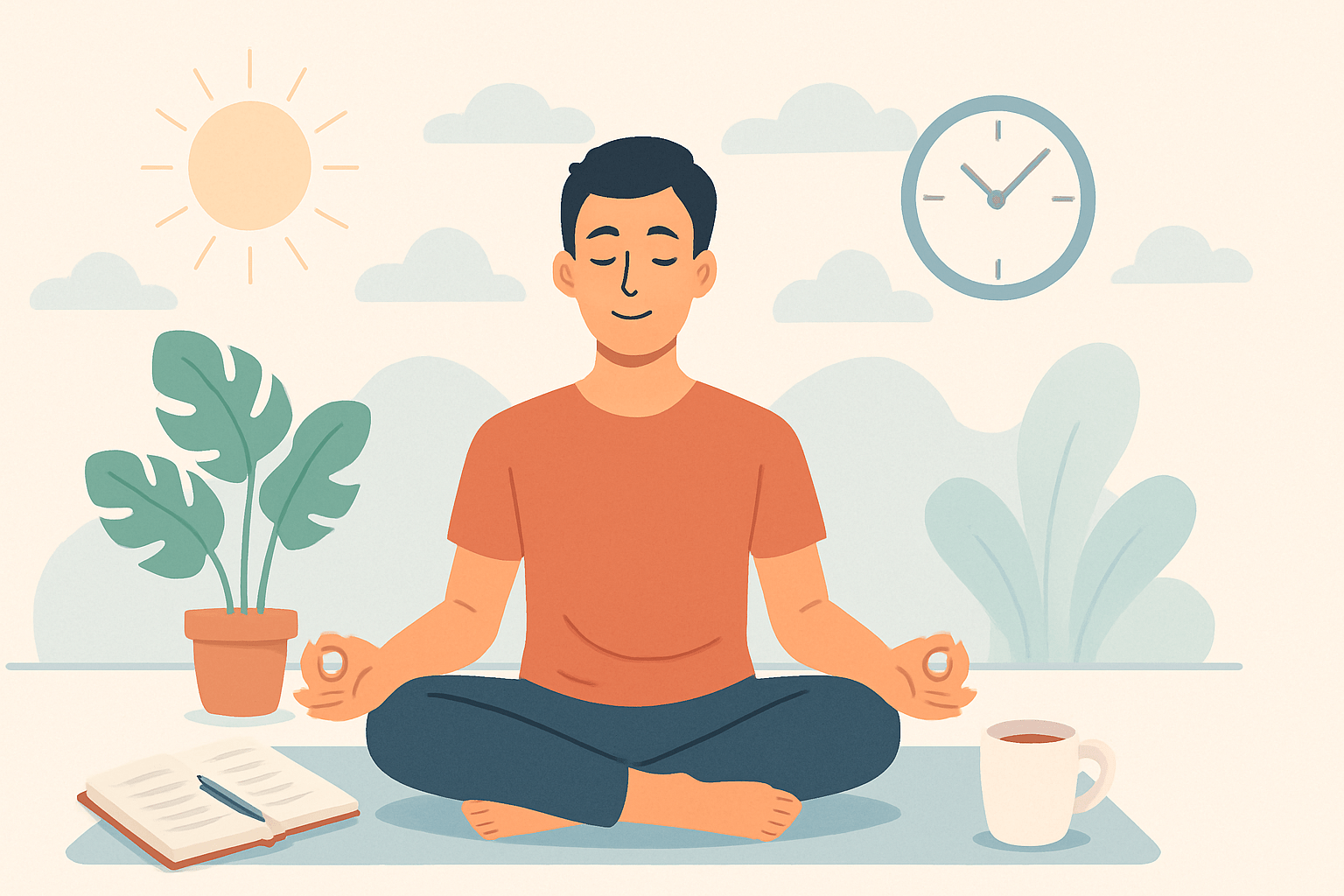
Table of Contents
Introduction
Creating a daily routine that supports your mental wellbeing is one of the most powerful steps you can take toward a healthier, more balanced life. In this comprehensive guide, we’ll explore evidence-based strategies and practical tips to help you build a mental health routine that works for you.
What is Mental Health?
Mental health encompasses our emotional, psychological, and social wellbeing. It affects how we think, feel, and act in daily life. Mental health also determines how we handle stress, relate to others, and make choices. It’s important at every stage of life, from childhood and adolescence through adulthood.
Good mental health isn’t just the absence of mental health problems. It means having a sense of purpose, strong relationships, confidence to try new things, and the ability to cope with life’s challenges.
Mental Health Awareness
Mental health awareness involves understanding the importance of mental wellbeing and recognizing the signs of mental health challenges. Raising awareness helps reduce stigma, encourages people to seek help, and promotes open conversations about mental health struggles.
Why Mental Health Awareness Matters
When we increase awareness, we create supportive communities where people feel safe discussing their struggles. This leads to earlier intervention, better treatment outcomes, and stronger support systems. Mental health awareness campaigns educate the public about common conditions like anxiety, depression, and stress-related disorders.
Men’s Mental Health Month
June is recognized as Men’s Mental Health Month, a time dedicated to raising awareness about the unique mental health challenges men face. Men are often less likely to seek help for mental health issues due to societal expectations and stigma around masculinity and vulnerability.
Breaking the Silence
Men’s Mental Health Month encourages men to speak openly about their struggles, seek professional support, and prioritize their emotional wellbeing. Common issues affecting men include depression, anxiety, substance abuse, and suicide risk. Creating safe spaces for men to express their feelings without judgment is crucial for improving mental health outcomes.
Self-Care Tips for Mental Health
Self-care is the foundation of good mental health. It involves intentional actions you take to care for your physical, mental, and emotional health. Here are essential self-care practices to incorporate into your routine:
Daily Self-Care Practices
- Establish a consistent sleep schedule – Aim for 7-9 hours of quality sleep each night
- Practice mindfulness or meditation – Even 5-10 minutes daily can reduce stress
- Set boundaries – Learn to say no to protect your energy and time
- Stay connected – Maintain relationships with supportive friends and family
- Limit screen time – Take regular breaks from social media and digital devices
- Engage in hobbies – Make time for activities that bring you joy
- Practice gratitude – Write down three things you’re grateful for each day
- Seek professional support – Therapy or counseling when needed
Self-Care for Mental Health: Building Your Routine
Creating a sustainable self-care routine requires consistency and commitment. Start small and gradually build habits that support your mental wellbeing.
Morning Routine for Mental Health
Begin your day with intention. Consider starting with a brief meditation, journaling, or a healthy breakfast. Avoid checking your phone immediately upon waking. Instead, take time to set positive intentions for the day ahead.
Evening Wind-Down
Create a calming evening routine that signals to your body it’s time to rest. This might include reading, gentle stretching, or reflection on the day’s positive moments. Avoid screens at least an hour before bed to improve sleep quality.
How to Improve Mental Health
Improving mental health is a journey that requires patience, self-compassion, and consistent effort. Here are proven strategies to enhance your mental wellbeing:
Professional Support
Don’t hesitate to seek help from mental health professionals. Therapists, counselors, and psychiatrists can provide evidence-based treatments tailored to your specific needs.
Lifestyle Modifications
- Nutrition – Eat a balanced diet rich in whole foods, fruits, vegetables, and omega-3 fatty acids
- Hydration – Drink plenty of water throughout the day
- Stress management – Learn and practice stress-reduction techniques like deep breathing
- Time in nature – Spend time outdoors regularly for mood-boosting benefits
- Social connection – Cultivate meaningful relationships and community involvement
Mental Health Tools
Utilize apps, journals, or workbooks designed for mental health support. Cognitive behavioral therapy (CBT) techniques can be particularly effective for managing negative thought patterns.
Best Exercise for Mental Health
Physical activity is one of the most powerful tools for improving mental health. Exercise releases endorphins, reduces stress hormones, and improves sleep quality.
Top Exercises for Mental Wellbeing
Aerobic Exercise Running, cycling, swimming, and brisk walking are excellent for reducing anxiety and depression. Aim for at least 150 minutes of moderate aerobic activity weekly.
Yoga Combines physical movement with mindfulness and breathing exercises. Yoga reduces stress, improves mood, and enhances body awareness.
Strength Training Weightlifting or bodyweight exercises build confidence, improve body image, and provide a sense of accomplishment. Train 2-3 times per week.
Dancing A joyful way to move your body while expressing yourself creatively. Dance improves mood and social connection.
Walking in Nature Forest bathing or nature walks combine physical activity with the calming effects of natural environments.
Exercise Tips for Mental Health
- Choose activities you enjoy to maintain consistency
- Start slowly and gradually increase intensity
- Exercise with friends or join group classes for social benefits
- Set realistic goals and celebrate small victories
- Listen to your body and rest when needed
Your Complete Mental Health Routine
Combining all these elements, here’s a sample daily routine for optimal mental health:
Morning (6:00 AM – 9:00 AM)
- Wake up at a consistent time
- Practice 10 minutes of meditation or deep breathing
- Eat a nutritious breakfast
- Engage in 30 minutes of exercise
- Set three intentions for the day
Midday (12:00 PM – 1:00 PM)
- Take a lunch break away from your desk
- Practice mindful eating
- Take a short walk outside
Evening (6:00 PM – 10:00 PM)
- Connect with loved ones
- Engage in a relaxing hobby
- Practice gratitude journaling
- Prepare for tomorrow
- Wind down without screens
- Maintain a consistent bedtime
Throughout the Day
- Stay hydrated
- Take regular breaks
- Practice positive self-talk
- Set healthy boundaries
The Remarkable Morning Method: 5 Ways to Unlock Your
Frequently Asked Questions (FAQ)
Q: What is the most important thing I can do for my mental health?
A: While there’s no single “most important” thing, establishing consistent sleep patterns, maintaining social connections, and seeking professional help when needed are foundational. Self-awareness and self-compassion are also crucial for long-term mental wellbeing.
Q: How long does it take to see improvements in mental health?
A: This varies by individual and depends on many factors. Some people notice improvements in mood and energy within a few weeks of implementing healthy routines, while others may take several months. Consistency is key, and remember that progress isn’t always linear.
Q: Do I need to see a therapist to improve my mental health?
A: Not necessarily, but professional support can be incredibly valuable. While self-care practices and lifestyle changes can significantly improve mental health, a therapist can provide personalized strategies, help you process difficult emotions, and support you through challenges.
Q: What should I do if I’m struggling with my mental health?
A: First, acknowledge that seeking help is a sign of strength. Reach out to trusted friends or family members, contact a mental health professional, or call a crisis helpline if you’re in immediate distress. Don’t wait until things become overwhelming—early intervention often leads to better outcomes.
Q: Can exercise really help with depression and anxiety?
A: Yes, research consistently shows that regular exercise can be as effective as medication for mild to moderate depression and anxiety. Exercise releases endorphins, reduces stress hormones, improves sleep, and boosts self-esteem. However, severe mental health conditions may require a combination of exercise, therapy, and medication.
Q: How do I maintain my mental health routine when I’m busy or stressed?
A: Start with small, manageable habits that fit into your existing schedule. Even 5 minutes of deep breathing or a 10-minute walk can make a difference. Prioritize your non-negotiables (like sleep and basic self-care) and be flexible with the rest. Remember that maintaining your mental health routine is especially important during stressful times.
Q: Is it normal to have bad mental health days even with a good routine?
A: Absolutely. Having a mental health routine doesn’t mean you’ll never have difficult days. Mental health fluctuates naturally, and external stressors can impact your wellbeing. The goal is to build resilience and coping skills that help you navigate challenging times more effectively.
Q: What are some signs that my mental health routine isn’t working?
A: If you’re experiencing persistent symptoms like ongoing sadness, anxiety, irritability, changes in sleep or appetite, difficulty concentrating, loss of interest in activities, or thoughts of self-harm, your current routine may not be sufficient. This is a sign to seek professional support and reassess your approach.
Q: How can I support someone else’s mental health?
A: Listen without judgment, validate their feelings, encourage them to seek professional help if needed, and educate yourself about mental health. Offer practical support like helping with daily tasks, and check in regularly. Remember that you’re not responsible for fixing their problems, but your presence and support can make a significant difference.
Q: When is Men’s Mental Health Month and why is it important?
A: Men’s Mental Health Month is observed in June. It’s important because men often face unique barriers to seeking mental health support, including societal expectations around masculinity and emotional expression. The month raises awareness about men’s mental health challenges and encourages men to prioritize their wellbeing.
Conclusion
Building the best routine for mental health is a personal journey that requires patience, experimentation, and self-compassion. By incorporating self-care practices, regular exercise, mental health awareness, and professional support when needed, you can create a sustainable routine that supports your wellbeing. Remember that small, consistent steps lead to lasting change. Your mental health is worth investing in, and seeking help is a sign of strength, not weakness.

Faisal is the founder and content creator of The Workout Haven, a fitness and wellness blog focused on home workouts, weight loss, strength training, yoga, and healthy lifestyle habits. He creates easy-to-follow, beginner-friendly fitness guides backed by research, practical experience, and real-world application. Faisal’s goal is to help people stay active, build strength, and improve overall health—no gym or expensive equipment required.