
Yoga Sequence for Beginners: Your Complete Guideline 2026
Table of Contents
Starting your yoga journey can feel overwhelming with so many poses, sequences, and styles to choose from. But here’s the good news: you don’t need fancy equipment, expensive classes, or years of flexibility to begin. A simple yoga sequence for beginners is all you need to unlock the incredible physical and mental benefits of this ancient practice.
Whether you’re looking to improve flexibility, reduce stress, or simply try something new, this comprehensive guide will walk you through everything you need to know about yoga for beginners. We’ll cover the fundamental poses, how to structure your practice, and provide you with a complete free yoga sequence for beginners that you can start using today.
Why a Structured Sequence Is Essential for Beginning Your Yoga Journey
If you’re new to yoga, you might wonder why following a specific sequence matters. Can’t you just do random poses? While any movement is better than none, a well-designed yoga sequence for beginners serves several important purposes.
First, a proper sequence warms up your body gradually, preparing your muscles and joints for deeper stretches. This reduces your risk of injury and helps you get more out of each pose. Second, sequencing creates a balanced practice that works different muscle groups and doesn’t leave any part of your body neglected. Finally, following a yoga sequence for beginners step by step helps you build consistency and track your progress over time.
When you practice yoga for beginners at home, having a structured routine eliminates the guesswork. You can simply roll out your mat and follow along, knowing that each pose builds on the previous one and leads you toward a complete, balanced practice.
Understanding the Foundations: The 12 Basic Yoga Postures
Before diving into full sequences, let’s explore the fundamental building blocks. While there are hundreds of yoga poses, certain foundational postures appear in almost every practice. These 12 basic yoga postures form the core of most yoga sequences for beginners and will serve you well throughout your entire yoga journey.
Mountain Pose (Tadasana) teaches you proper alignment and grounding. It may look simple, but this standing pose is the foundation for all other standing postures.
Downward-Facing Dog (Adho Mukha Svanasana) stretches your entire body while building strength in your arms and shoulders. This iconic pose often appears multiple times in yoga sequences.
Child’s Pose (Balasana) provides a restorative resting position that gently lengthens your spine and opens your hips while promoting relaxation and mental clarity.
Cat-Cow Pose (Marjaryasana-Bitilasana) warms up your spine with gentle flexion and extension, perfect for the beginning of any practice.
Warrior I (Virabhadrasana I) builds leg strength and opens your hips while improving balance and focus.
Warrior II (Virabhadrasana II) strengthens your legs and core while increasing stamina and concentration.
Triangle Pose (Trikonasana) stretches your sides, strengthens your legs, and improves overall stability.
Tree Pose (Vrksasana) challenges your balance while strengthening your legs and improving focus.
Cobra Pose (Bhujangasana) gently opens your chest and strengthens your back muscles.
Bridge Pose (Setu Bandha Sarvangasana) strengthens your back, glutes, and legs while opening your chest.
Seated Forward Fold (Paschimottanasana) stretches your entire back body and calms your nervous system.
Corpse Pose (Savasana) allows your body to absorb the benefits of your practice and promotes deep relaxation.
What Is the Correct Sequence of Yoga?
The correct sequence of yoga follows a logical progression that respects how your body warms up, works, and cools down. While different yoga styles may vary in their approach, the most effective yoga sequences for beginners follow this general structure.
You should begin with centering and breathing exercises to connect with your body and set an intention for your practice. This mental preparation is just as important as the physical work that follows. Next comes a gentle warm-up with poses like Cat-Cow or gentle twists to prepare your spine and major joints for movement.
The sequence then progresses to standing poses, which build heat and strength in your body. These foundational postures, like Warrior poses and Triangle pose, form the core of most yoga for beginners routines. After standing work, you typically move to balancing poses, which require the focus and warmth you’ve built in the earlier portions of practice.
Following the active standing work, you transition to seated or supine poses for deeper stretching. Your body is now warm and ready for these longer holds. Backbends often come next, followed by gentle forward folds or twists to neutralize the spine. Finally, every yoga sequence for beginners should end with Savasana, the final relaxation pose that allows your nervous system to integrate all the benefits of your practice.
This progression from gentle to active to restorative mirrors natural energy patterns and keeps your practice safe and effective.
Creating Your Own Yoga Sequence for Beginners: Step-by-Step
Learning how to create a yoga sequence for beginners empowers you to customize your practice based on how you feel each day. While following preset sequences is valuable, especially when starting, understanding the principles behind sequencing helps you become more independent in your practice.
Start by determining how much time you have. A 60-minute yoga sequence offers a comprehensive practice with time for everything, while a 20-minute session requires you to be more selective with poses. Both can be effective when structured properly.
Choose a focus or intention for your practice. Are you looking to build strength, increase flexibility, reduce stress, or work on a specific area of your body? Your intention helps guide which poses to include and emphasize.
Always begin with a warm-up period that includes breathwork and gentle movements. Five to ten minutes of centering, breathing exercises, and poses like Cat-Cow prepare your body for what’s ahead. Then include your main sequence, which should contain a mix of standing poses, balancing work, and floor poses appropriate to your chosen focus.
Build in variety within your sequence. Include forward folds, backbends, twists, and side stretches to create a balanced practice. Don’t forget to work both sides of your body equally in asymmetrical poses. Finally, always reserve at least five minutes for Savasana, no matter how long your overall practice is. This final relaxation is where much of the magic happens.
What Is a Good Yoga Routine for Beginners?
A good yoga routine for beginners balances accessibility with effectiveness. You want poses that are achievable with your current flexibility and strength level, while still providing enough challenge to create positive change in your body and mind.
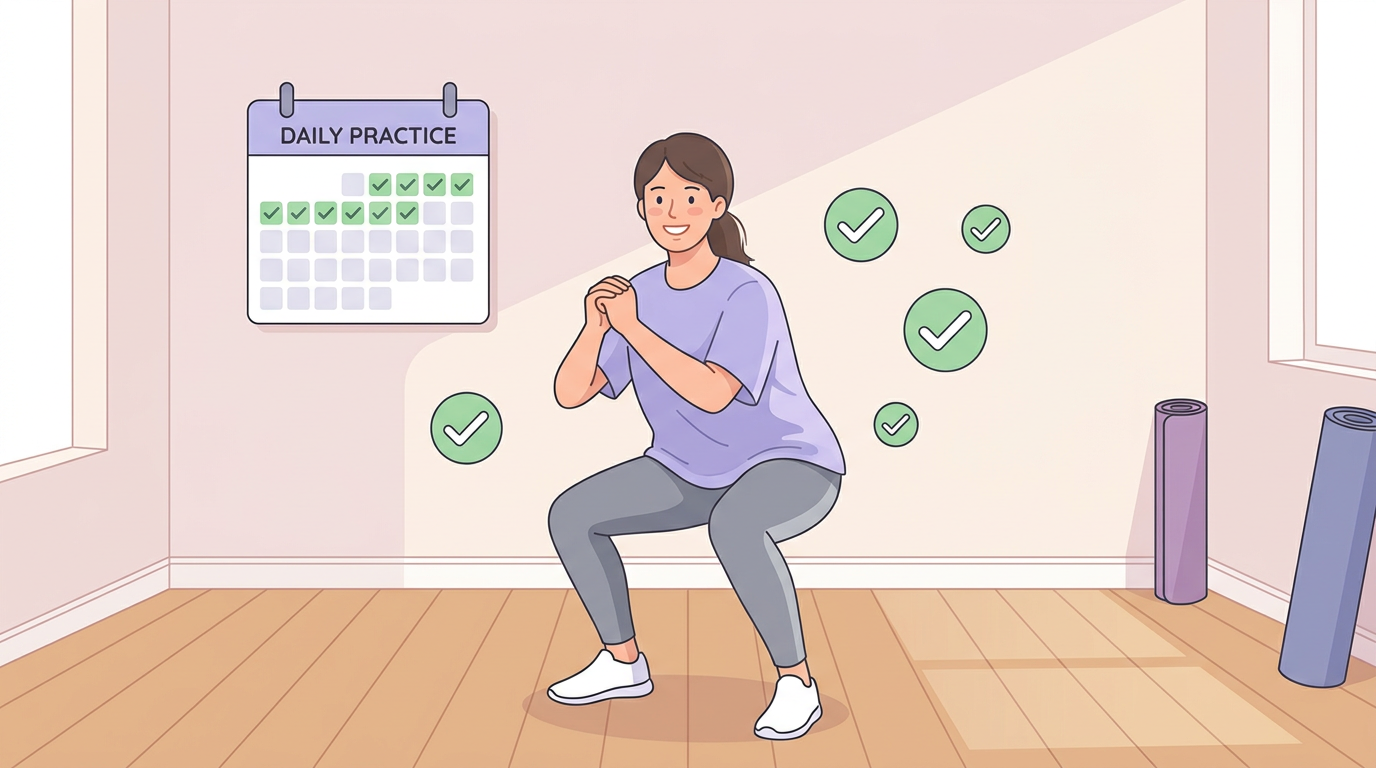
Consistency trumps intensity when you’re starting. A gentle 20-minute yoga sequence for beginners practiced five times per week will yield better results than an intense 90-minute class attended sporadically. Your routine should feel doable enough that you actually look forward to stepping on your mat.
The ideal yoga for beginners at home routine includes poses from all the major categories: standing poses for strength, seated poses for flexibility, gentle inversions like Downward Dog for new perspectives, balancing poses for focus, and always a final relaxation. You don’t need dozens of poses. A well-structured 60-minute yoga sequence might include only 12 to 15 poses with adequate time to hold each one and transition mindfully between them.
Breathing should be integrated throughout your entire practice, not just at the beginning. A good routine reminds you to breathe fully and consciously in every pose, using your breath as a guide for when to move deeper or back off slightly.
Your Free Yoga Sequence for Beginners: A Complete 60-Minute Practice
Ready to put everything together? Here’s a complete free yoga sequence for beginners that you can practice at home. This yoga sequence for beginners, 1 hour, offers a balanced full-body practice suitable for those new to yoga.
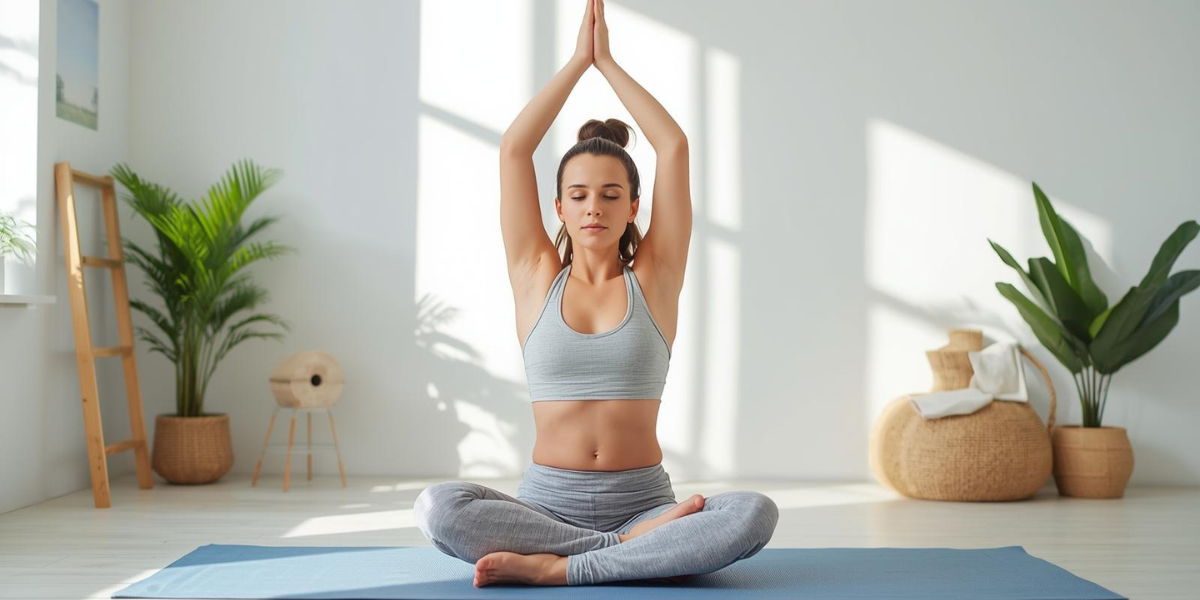
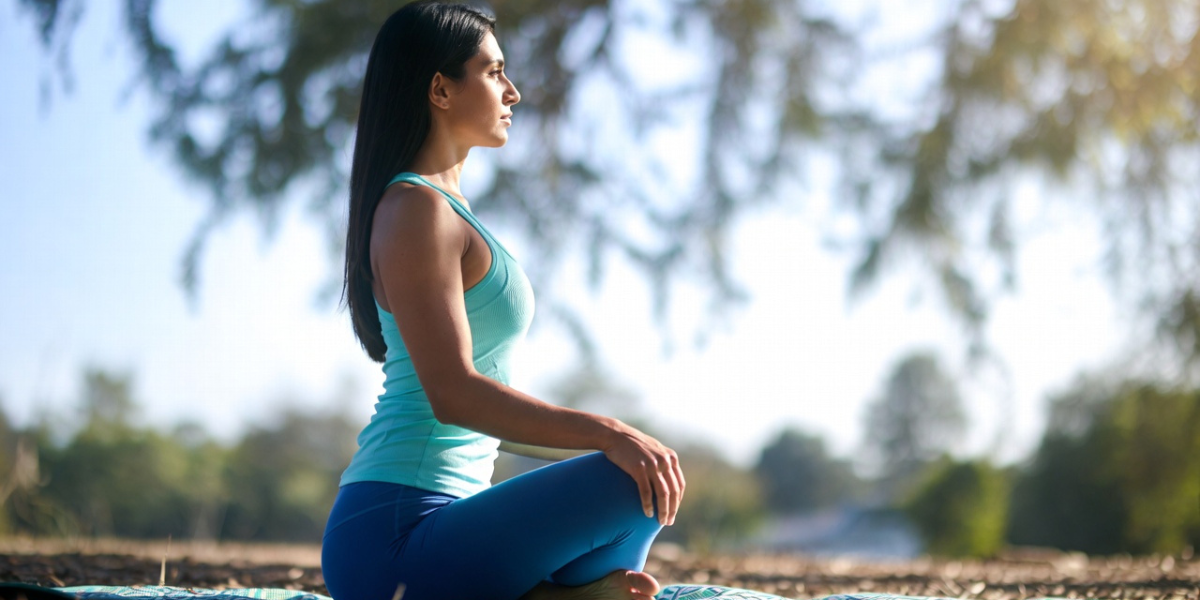
Opening and Centering (5 minutes): Begin in a comfortable seated position. Close your eyes and take several deep breaths, settling into the present moment. Set an intention for your practice. Spend a few minutes observing your natural breath before beginning gentle neck rolls and shoulder circles.
Warm-Up (10 minutes): Move to hands and knees for Cat-Cow pose, flowing between the two positions for 10 breaths. Transition to Child’s Pose for five deep breaths. Come back to hands and knees, then press back to Downward-Facing Dog, holding for five breaths. Step forward to a standing forward fold, then slowly roll up to Mountain Pose.
Standing Sequence (25 minutes): From Mountain Pose, flow through several rounds of Sun Salutations to build heat. Then move into standing poses, holding each for five to eight breaths: Warrior I on both sides, Warrior II on both sides, Triangle Pose on both sides, and Extended Side Angle on both sides. Return to Downward Dog between sides to reset.
Balancing and Core Work (10 minutes): From Mountain Pose, practice Tree Pose on each side for five to eight breaths. Transition to the floor for Boat Pose variations and gentle core strengthening. Include Bird Dog pose on both sides for back strength and coordination.
Floor Poses and Cooldown (8 minutes): Move through Cobra Pose, Bridge Pose, and Supine Twist on both sides. Include a Seated Forward Fold and a gentle seated twist on each side. Each pose should be held for at least five breaths, longer if it feels comfortable.
Final Relaxation (7 minutes): End in Savasana, lying on your back with arms by your sides and legs extended. Stay completely still, allowing your body to absorb all the benefits of your practice. Focus on your breath or simply rest in the stillness.
Tips for Practicing Yoga for Beginners at Home
Practicing yoga for beginners at home offers flexibility and comfort, but it requires some self-discipline and preparation. Creating the right environment makes all the difference in maintaining a consistent practice.
Designate a specific space in your home for yoga, even if it’s just a corner of a room. Having a dedicated spot signals to your brain that it’s time to practice when you arrive there. Make sure you have enough room to extend your arms and legs in all directions without hitting furniture.
Invest in a decent yoga mat. While you don’t need the most expensive option, a mat with good grip and cushioning prevents slipping and protects your joints. Consider having blocks and a strap available as well. These props help make poses more accessible and aren’t expensive.
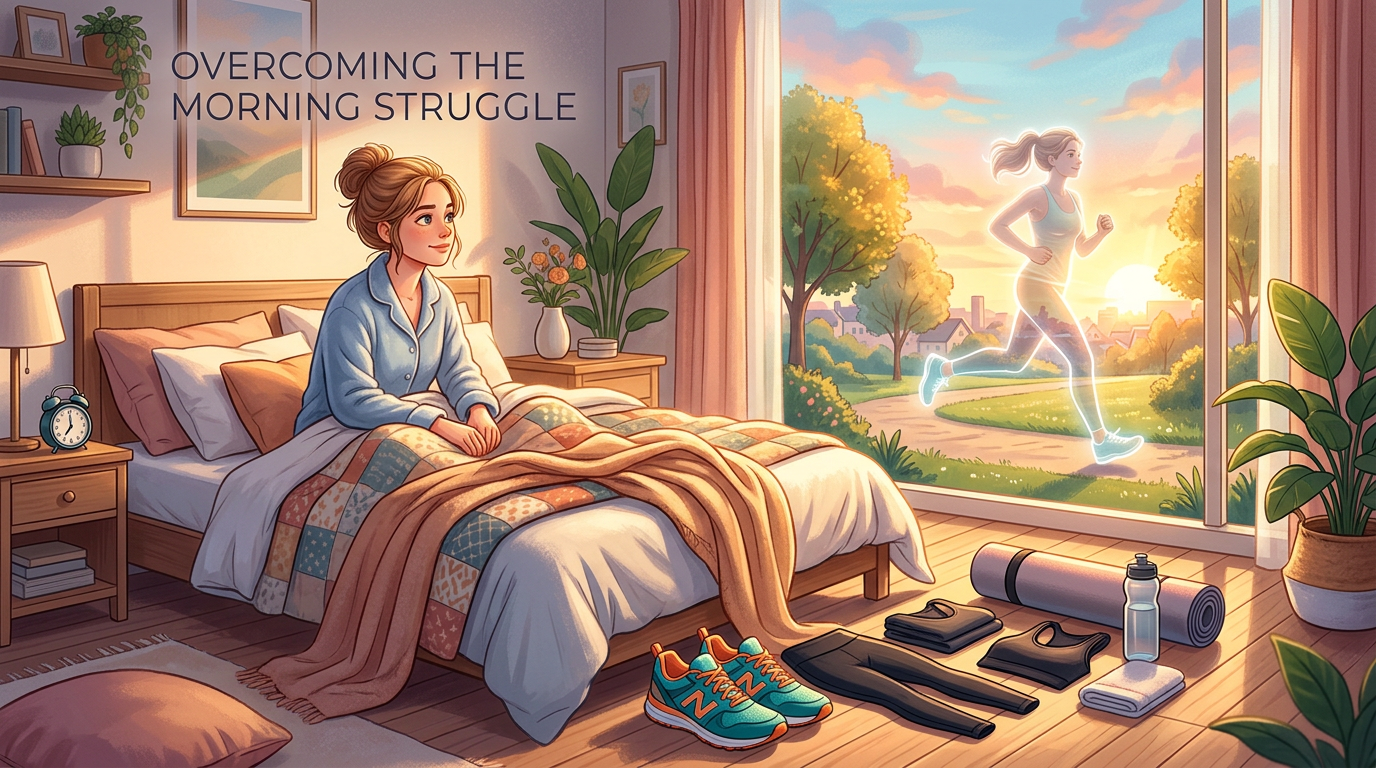
Choose a consistent time for your practice. Many people find that morning yoga for beginners at home sets a positive tone for the entire day, but any time that you can commit to regularly works well. The key is consistency, not perfection.
Use online resources wisely when you’re starting. While this free yoga sequence for beginners gives you a solid foundation, watching instructional videos can help you understand proper alignment in specific poses. However, don’t get caught in the trap of endlessly searching for the “perfect” sequence. Pick one routine and practice it consistently for at least two weeks before changing things up.
Common Mistakes to Avoid in Your Yoga Sequence for Beginners
Even with the best intentions, beginners often make certain mistakes that can hinder progress or lead to injury. Being aware of these common pitfalls helps you develop a safer, more effective practice from the start.
Rushing through poses is perhaps the most frequent mistake. Yoga isn’t about speed or checking off a list of postures. Each pose deserves your full attention and several complete breaths. If you’re moving so quickly that you’re barely holding anything, slow down. A shorter, more mindful practice beats a rushed, longer one every time.
Comparing yourself to others, whether in a class or on social media, undermines your practice. Yoga isn’t a competition, and your body is unique. What matters is how each pose feels in your body today, not how deeply someone else can fold or how long they can balance.
Holding your breath defeats one of yoga’s main purposes. Your breath should flow freely throughout your entire practice. If you notice you’re holding your breath in a pose, it’s a sign to back off slightly or rest.
Skipping Savasana cheats you out of one of the most important parts of practice. This final relaxation allows your nervous system to integrate all the benefits of the physical postures. Even if you’re short on time, take at least three to five minutes for this essential pose.
Finally, being too rigid with your yoga sequence for beginners, step by ste,p can create frustration. While structure is helpful, some days your body needs something different. Learn to listen to what you need and adjust accordingly.
Building a Sustainable Long-Term Practice
As you become comfortable with your yoga sequence for beginners, you’ll naturally start to evolve your practice. This growth should happen organically, based on what your body needs and what brings you back to your mat consistently.
Track your progress, but not in the way you might expect. Rather than measuring how much deeper you can fold or how long you can balance, notice the subtler changes. Are you sleeping better? Feeling less stressed? Moving through your day with more ease? These are the real markers of a successful yoga practice.
As you gain confidence, experiment with different sequences and styles. While this free yoga sequence for beginners provides an excellent foundation, eventually you might want to explore more challenging poses, longer holds, or different yoga traditions. The beauty of yoga is that there’s always more to learn and explore.
Consider joining a class occasionally, even if you primarily practice yoga for beginners at home. A qualified teacher can offer personalized adjustments and ensure you’re practicing safely. Many studios offer beginner-friendly classes, and the community aspect can be motivating and supportive.
Remember that your yoga practice is a journey, not a destination. Some days you’ll feel strong and flexible, other days stiff and distracted. Both experiences are valuable and teach you different lessons. The goal isn’t perfection but rather showing up consistently and meeting yourself exactly where you are each day.
Frequently Asked Questions
What is the correct sequence of yoga?
The correct sequence of yoga follows a logical progression from centering and warm-up, through standing and balancing poses, into floor work and deeper stretches, and finally ending with relaxation. This structure ensures your body warms up safely, works through a full range of motion, and cools down properly, maximizing benefits while minimizing injury risk.
What is a good yoga routine for beginners?
A good yoga routine for beginners includes a mix of standing poses for strength, seated poses for flexibility, balancing poses for focus, and always ends with final relaxation. Consistency matters more than duration, so a simple 20 to 30-minute practice done regularly is better than an occasional longer session. The routine should feel challenging but achievable, encouraging you to return to your mat regularly.
What are the 12 basic yoga postures?
The 12 basic yoga postures are Mountain Pose, Downward-Facing Dog, Child’s Pose, Cat-Cow, Warrior I, Warrior II, Triangle Pose, Tree Pose, Cobra Pose, Bridge Pose, Seated Forward Fold, and Corpse Pose. These fundamental poses appear in most yoga sequences and provide a foundation for all other postures, working different muscle groups and movement patterns.
How to create a yoga sequence for beginners?
To create a yoga sequence for beginners, start with centering and breathwork, progress through a gentle warm-up, include standing poses for the main portion, incorporate balancing work, transition to floor poses for deeper stretching, and always end with final relaxation. Aim for balance by including forward folds, backbends, twists, and side stretches, and remember to work both sides equally in asymmetrical poses.
Conclusion: Your Yoga Journey Starts Now
You now have everything you need to begin a meaningful yoga practice. This yoga sequence for beginners provides the structure, the 12 basic postures give you the foundation, and the complete 60-minute yoga sequence offers a roadmap for your practice. Most importantly, you understand that yoga for beginners at home is entirely achievable with consistency and patience.
Remember that everyone who has ever practiced yoga started exactly where you are now. The most advanced practitioners were once beginners fumbling through their first Downward Dog. What separates those who develop a lasting practice from those who quit is simple: they kept showing up on their mat, day after day, breath by breath.
Start with this free yoga sequence for beginners, practice it regularly for a few weeks, and notice what changes. Your flexibility will improve, your strength will build, and your mind will become calmer. But beyond these physical benefits, you’ll discover something even more valuable: a practice that connects you to yourself and provides a refuge from the stress of daily life.

Faisal is the founder and content creator of The Workout Haven, a fitness and wellness blog focused on home workouts, weight loss, strength training, yoga, and healthy lifestyle habits. He creates easy-to-follow, beginner-friendly fitness guides backed by research, practical experience, and real-world application. Faisal’s goal is to help people stay active, build strength, and improve overall health—no gym or expensive equipment required.