


You Don’t Feel Like Exercising in the Morning (And How to Fix It)

Table of Contents
Introduction
Morning feels like the best time to build a healthy exercise habit. The world is quiet, there are fewer distractions, and finishing a workout early can make the rest of the day feel productive and calm. Yet when the alarm rings, the first thought is often, “I don’t feel like doing it today.”
Your body feels heavy, the bed feels comfortable, and motivation suddenly disappears. Even when you truly want to exercise, this resistance can feel very strong. This experience is extremely common and does not mean you are lazy, weak, or undisciplined.
Usually, there are simple, practical reasons behind it—and simple solutions. In this post, you’ll learn why morning workouts feel so hard, why motivation isn’t the real answer, and how to build a realistic routine that you can actually stick to.
Why You Don’t Feel Like Exercising in the Morning
Many people want to exercise in the morning, but when it’s time to start, everything in the body and mind says, “not today.” This usually comes down to a few key reasons.
1. Not Getting Enough Sleep
If you sleep late and wake up early to exercise, your body is still in recovery mode. When you are sleep-deprived, your brain naturally prioritizes rest over physical effort. In that state, skipping a workout feels like the only reasonable choice.
Improving your sleep schedule—going to bed a bit earlier, keeping a regular sleep time, and limiting screens before bed—can make morning workouts feel less like a battle and more like a natural part of your day.
2. Your Body Is Still Waking Up
Right after you get out of bed, your muscles may feel stiff, your joints tight, and your energy low. This is normal. Your body needs a little time to “boot up.”
Gentle movement, like light stretching or a short walk around your home, helps signal to your body that the day has started. After a few minutes of easy movement, many people notice that their energy improves and exercise feels more possible than it did when they first opened their eyes.
3. No Consistent Exercise Habit Yet
When exercise is not yet part of your routine, your brain treats it as something extra—an optional task that takes effort and willpower. New habits almost always feel uncomfortable at the beginning because your brain prefers familiar patterns.
As exercise becomes a regular part of your mornings, resistance usually decreases. Over time, your mind and body start to expect that morning movement, and it feels less like a decision and more like “just what I do.”
4. Workouts Feel Too Difficult or Too Long
If you think a workout has to be 45–60 minutes and very intense to be “worth it,” just starting can feel overwhelming. When something feels too big, your brain will often convince you to delay it.
In reality, even 10–15 minutes of movement is valuable. Short, simple sessions are easier to begin and easier to repeat. Once you consistently show up, you can always increase time or intensity later.
5. Immediate Phone and Other Distractions
Checking your phone right after waking up—scrolling social media, opening messages, or reading the news—can quickly drain your focus. What feels like “just 5 minutes” often turns into 20–30 minutes.
By the time you look up, you feel rushed, distracted, and less motivated to exercise. Protecting your first few minutes in the morning from distractions can make it much easier to start your workout before the day pulls you in different directions.
Understanding these reasons is powerful. When you know why exercise feels difficult in the morning, you can adjust your routine instead of blaming yourself.
Why Motivation Is Not the Real Solution
Many people believe that if they just had more motivation, they would finally become consistent with exercise. They wait for the “right mood” or a burst of inspiration to get started.
But motivation is naturally inconsistent. Some mornings you wake up feeling ready and excited. Other days you feel tired, stressed, or indifferent. This doesn’t mean you’re failing; it simply means you’re human.
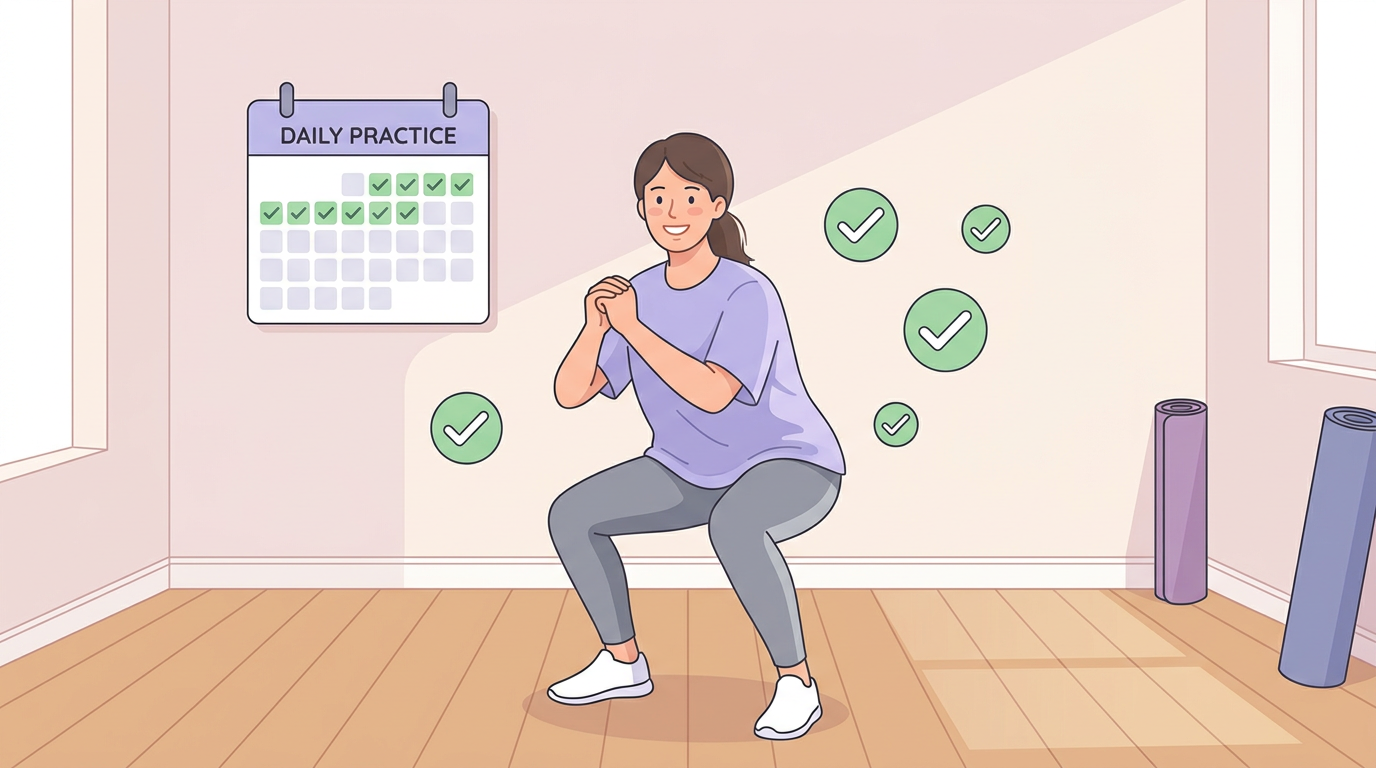
If you rely on motivation alone, your workout routine will rise and fall with your mood. What truly creates progress is not motivation, but habit and consistency. When exercise becomes a built-in part of your day—like brushing your teeth—you no longer need to negotiate with yourself each morning.
Even small, imperfect workouts done regularly are more powerful than long, intense workouts done once in a while. Instead of waiting to “feel like it,” focus on building a simple, repeatable routine you can follow most days, even when you’re not feeling your best.
Start With Something Very Small
You do not need a long or intense workout to start. In fact, aiming too high at the beginning often makes you avoid starting at all. A better approach is to lower the barrier to entry.
Choose something so small and simple that you almost can’t say no:
- 5 minutes of stretching beside your bed
- 10 bodyweight squats or 10 push-ups
- A 5–10 minute walk indoors or outside
These may seem too easy, but that’s the point—they are easy enough to do even on low-energy days. They help your body wake up, improve your mood, and build trust with yourself that you will show up.
Once this “tiny” routine feels normal, you can gradually add more time or harder exercises. In the beginning, your goal is not to create the perfect workout plan. Your goal is to prove to yourself: “I’m someone who moves my body every morning, even just a little.”
How to Make Morning Exercise Easier
Morning workouts become much easier when you remove unnecessary friction. Small changes in your environment and routine can reduce the effort needed to begin.
1. Prepare Everything the Night Before
Lay out your workout clothes, shoes, headphones, and mat before you go to sleep. Put them somewhere visible, such as next to your bed or in the bathroom.
When you wake up, you won’t waste energy making decisions or searching for items. Seeing everything ready is a gentle reminder of your intention and makes it easier to start without overthinking.
2. Set Your Alarm a Little Earlier
If your morning feels rushed, exercise will be the first thing you drop. Waking up just 10–15 minutes earlier can create enough space for a short, calm workout.
Use that extra time to move slowly: drink some water, do a brief stretch, and then start your mini routine. When you feel less rushed, you are more likely to follow through.
3. Keep the Routine Simple
Complicated plans can be exciting at first, but they often become hard to maintain. A simple routine is easier to remember and easier to repeat.
For example, your basic morning routine could be:
- 1–2 minutes of gentle stretching
- 2–3 simple bodyweight exercises (like squats, push-ups, or lunges)
- A short walk or march in place
You can adjust exercises over time, but keeping the structure simple helps you stay consistent.
4. Avoid Using Your Phone Before You Move
Make a personal rule: “No phone until I’ve finished my morning movement.” This doesn’t need to be strict or harsh—just a gentle boundary for yourself.
Place your phone farther from your bed so you have to stand up to turn off the alarm. Once you’re up, go straight into your short routine before opening any apps. This keeps your attention on your body, not on notifications.
Small adjustments like these stack up. The easier it is to start, the more likely you are to keep your promise to yourself day after day.
The Real Goal: Just Start
It’s easy to think that a workout only “counts” if it’s long, intense, or perfectly planned. When you can’t do that ideal version, you may feel tempted to skip it entirely.
But fitness doesn’t work like that. The real power lies in showing up, not in perfection.
Even a few minutes of movement can change how you feel. Once you start stretching, walking, or doing a few exercises, your blood flow increases, your muscles loosen, and your mind becomes clearer. Very often, what felt impossible while you were in bed feels surprisingly doable once you’ve taken the first step.
This is why the most important part of any workout is the beginning. If you focus on “just start” instead of “do a perfect session,” you remove a lot of pressure. Over time, those small beginnings add up to real progress, better energy, and a stronger habit.
Frequently Asked Questions
Q. Is it okay if I don’t exercise every morning?
Yes. You don’t need to be perfect to see progress. Aim for consistency over time—such as most weekdays or 3–5 mornings per week—rather than every single day. Rest days are also important for recovery.
Q. How long should a morning workout be?
In the beginning, even 5–10 minutes is enough to build the habit. Once you feel comfortable with that, you can extend it to 20–30 minutes or more, depending on your goals and schedule.
Q. What if I really don’t feel like working out?
Lower the bar. Tell yourself you only need to do 2–5 minutes. Do a few stretches, a short walk, or some light bodyweight exercises. If you still feel exhausted, you can stop—but most of the time, once you start, you’ll keep going.
Q. Is it better to work out in the morning or evening?
The best time is the one you can stick to consistently. Morning workouts help you start the day energized and avoid later distractions. Evening workouts can be better if you feel stronger or more awake later in the day. Choose the time that fits your life, not the “perfect” time.
Q. How can I stay consistent with morning exercise?
- Prepare clothes and equipment the night before
- Keep your routine simple and short at first
- Avoid checking your phone before you move
- Go to bed at a regular time so you’re not constantly exhausted
Tiny, repeatable steps will keep you far more consistent than a perfect plan you can’t maintain.
Q. What if I miss a day (or a week)?
Don’t treat it as failure. Instead of trying to “make up” for it with a huge workout, just return to your small, simple routine the next day. The faster you restart, the easier it is to stay on track long term.
Q. Can I count walking as my morning workout?
Absolutely. Walking is a great form of exercise, especially for building a sustainable habit. A 10–20 minute walk in the morning can improve your energy, mood, and health, and it’s easier to start than many intense routines.
Conclusion
Not wanting to exercise in the morning is completely normal. Almost everyone has experienced that moment when the alarm rings, the bed feels warm, and a workout feels like the last thing they want to do.
Your progress, however, does not depend on feeling perfectly motivated. It depends on what you do, especially on the days when you don’t feel like doing anything. Small, consistent actions matter far more than rare, intense efforts.
Start tiny, remove unnecessary obstacles, and focus on simply beginning. A few minutes of movement each morning can gradually grow into a solid, dependable habit. Over time, what once felt difficult will feel natural, and morning exercise will become a normal, stable part of your life—not something you have to fight yourself over every day.

Faisal is the founder and content creator of The Workout Haven, a fitness and wellness blog focused on home workouts, weight loss, strength training, yoga, and healthy lifestyle habits. He creates easy-to-follow, beginner-friendly fitness guides backed by research, practical experience, and real-world application. Faisal’s goal is to help people stay active, build strength, and improve overall health—no gym or expensive equipment required.